A Weekend at the Farm

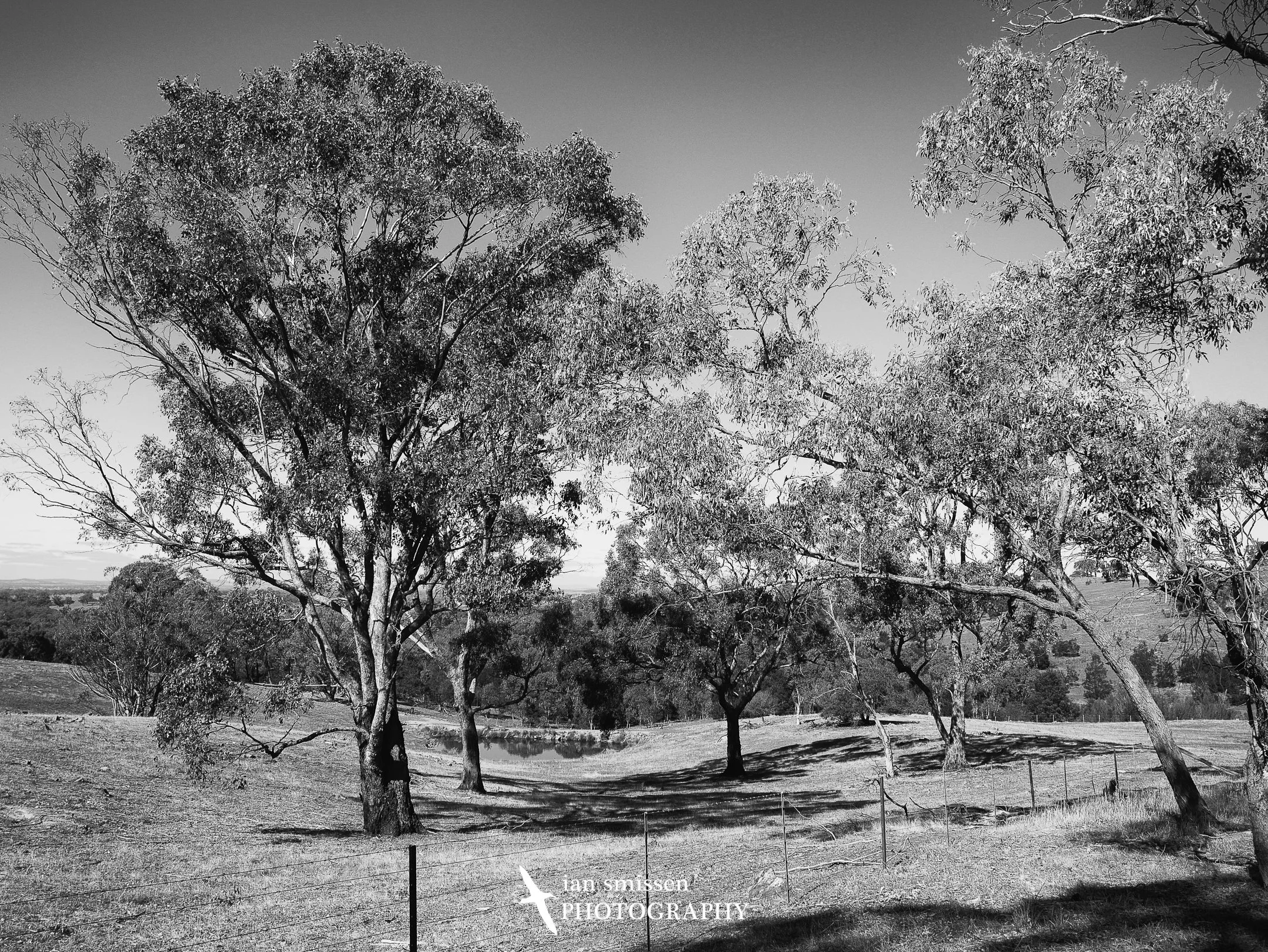
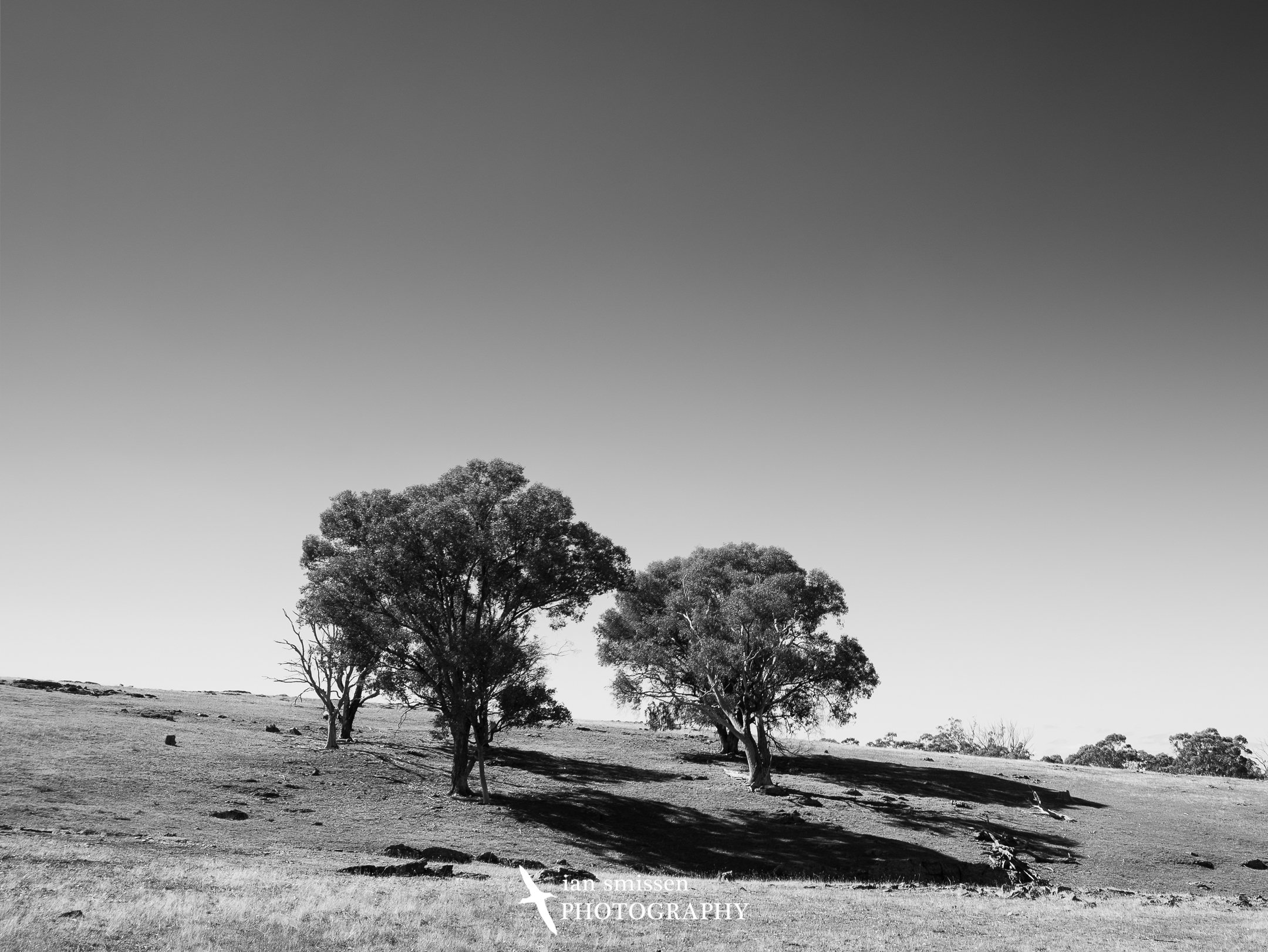
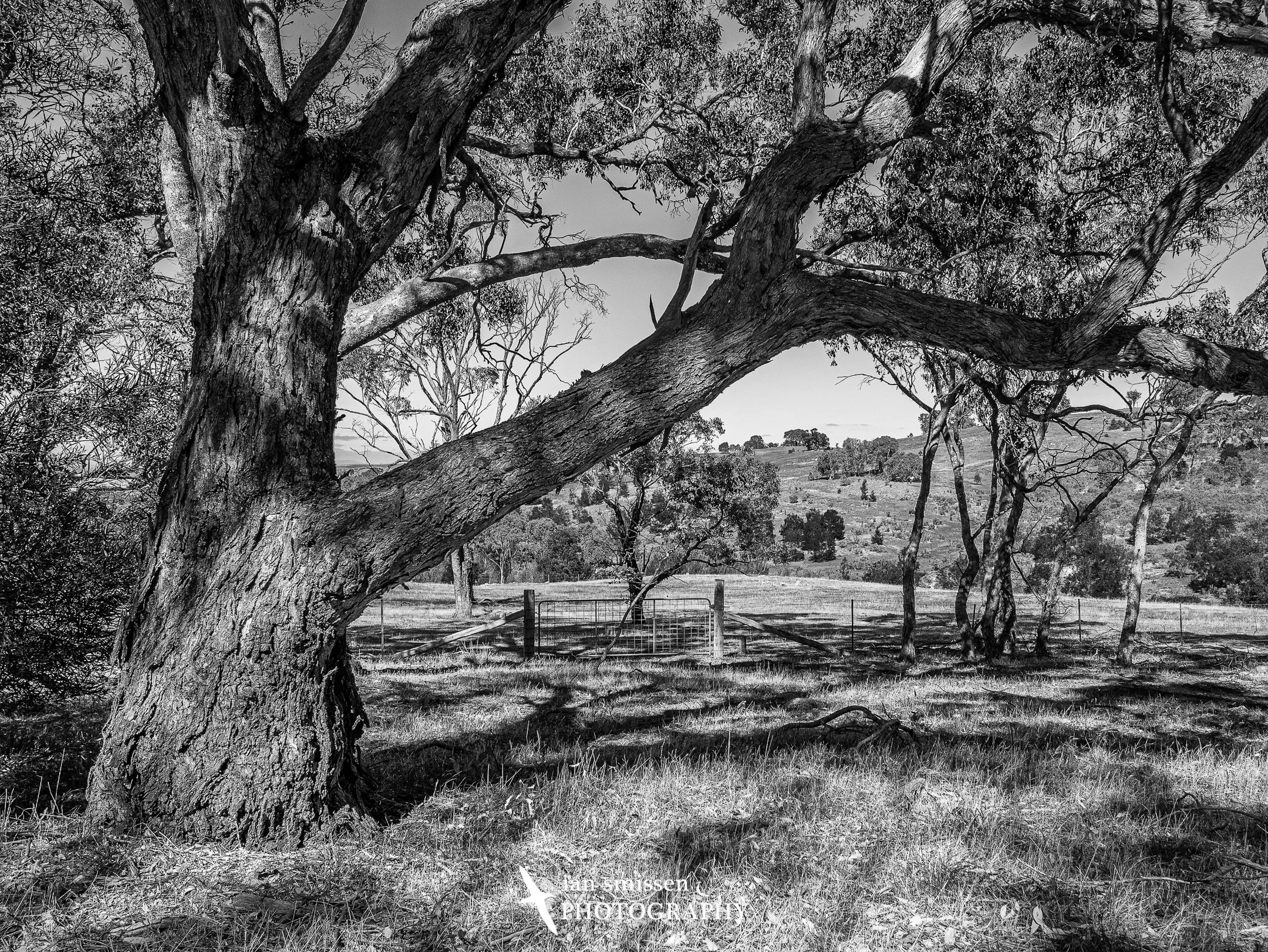
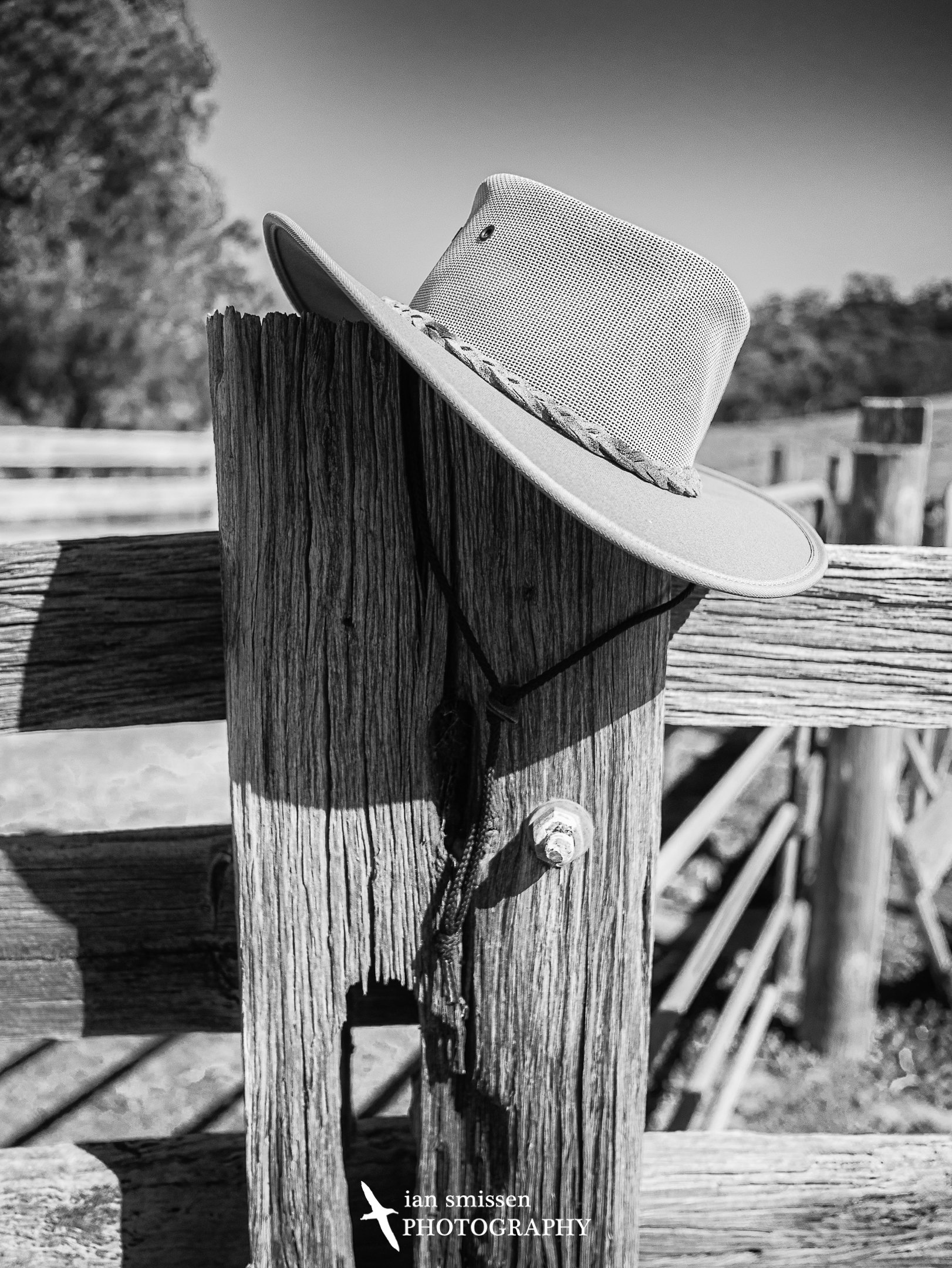
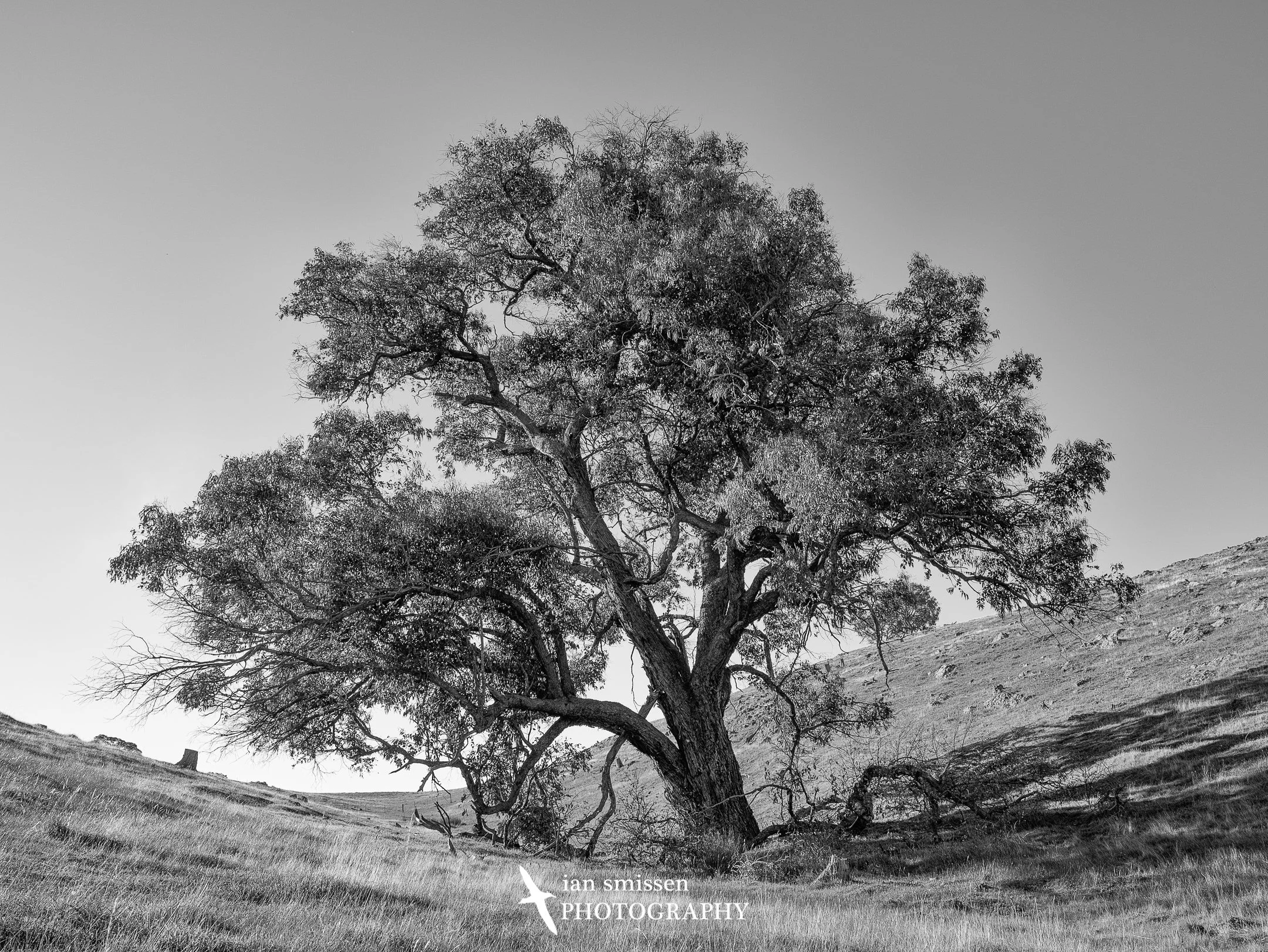
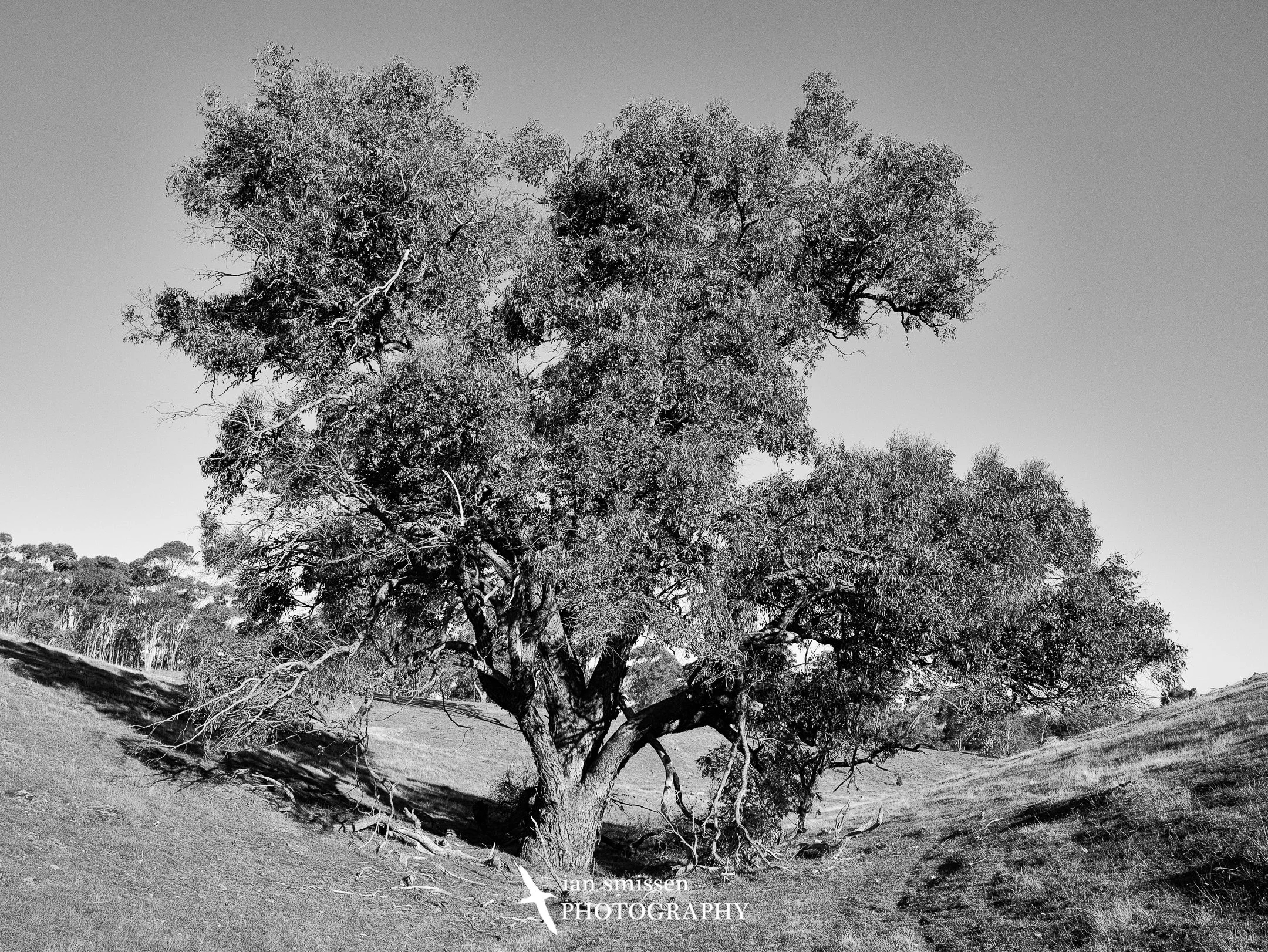
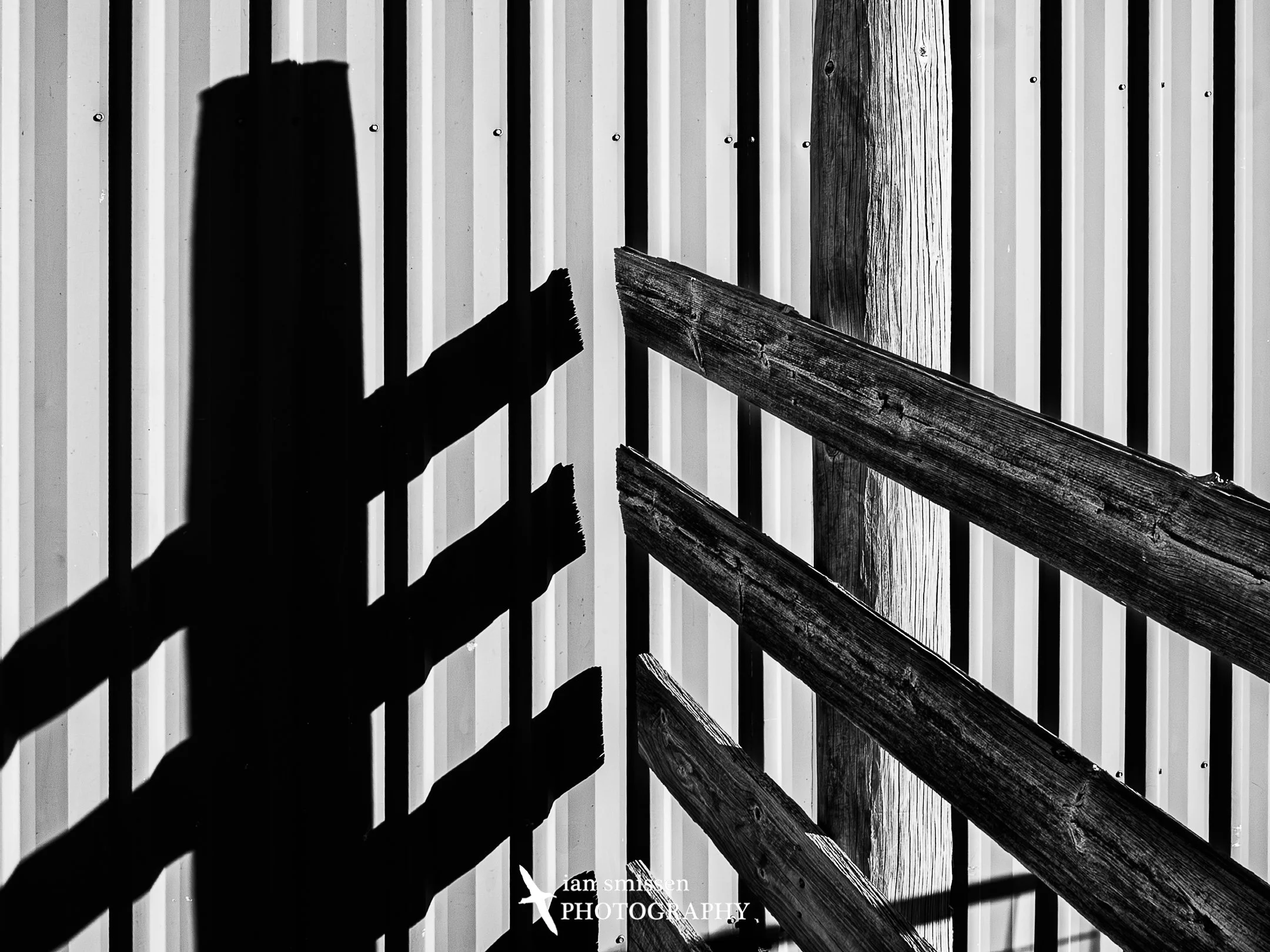
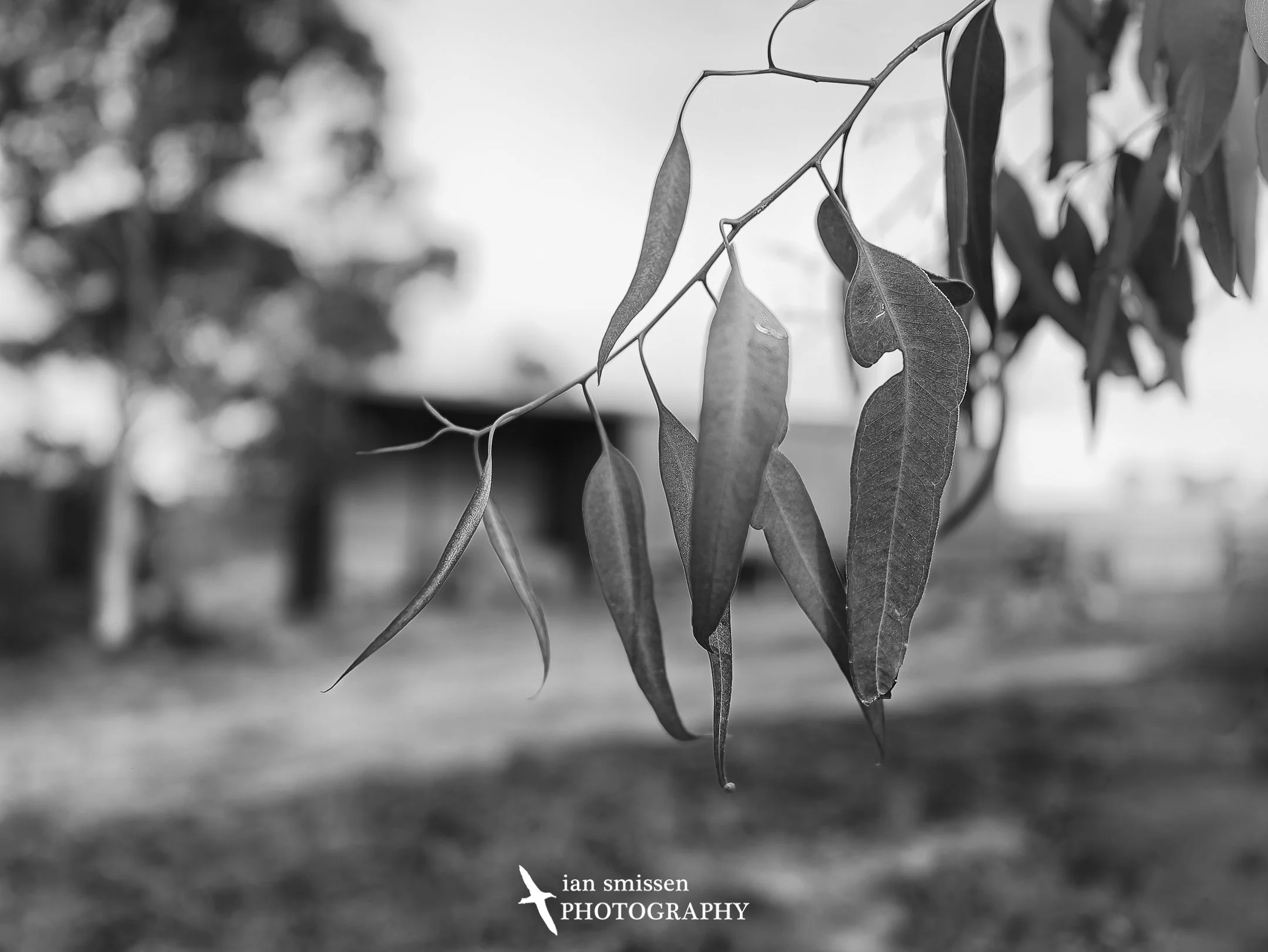
I spent the weekend of 18-19 April 2026 at the family farm along with my wife, son and his family.

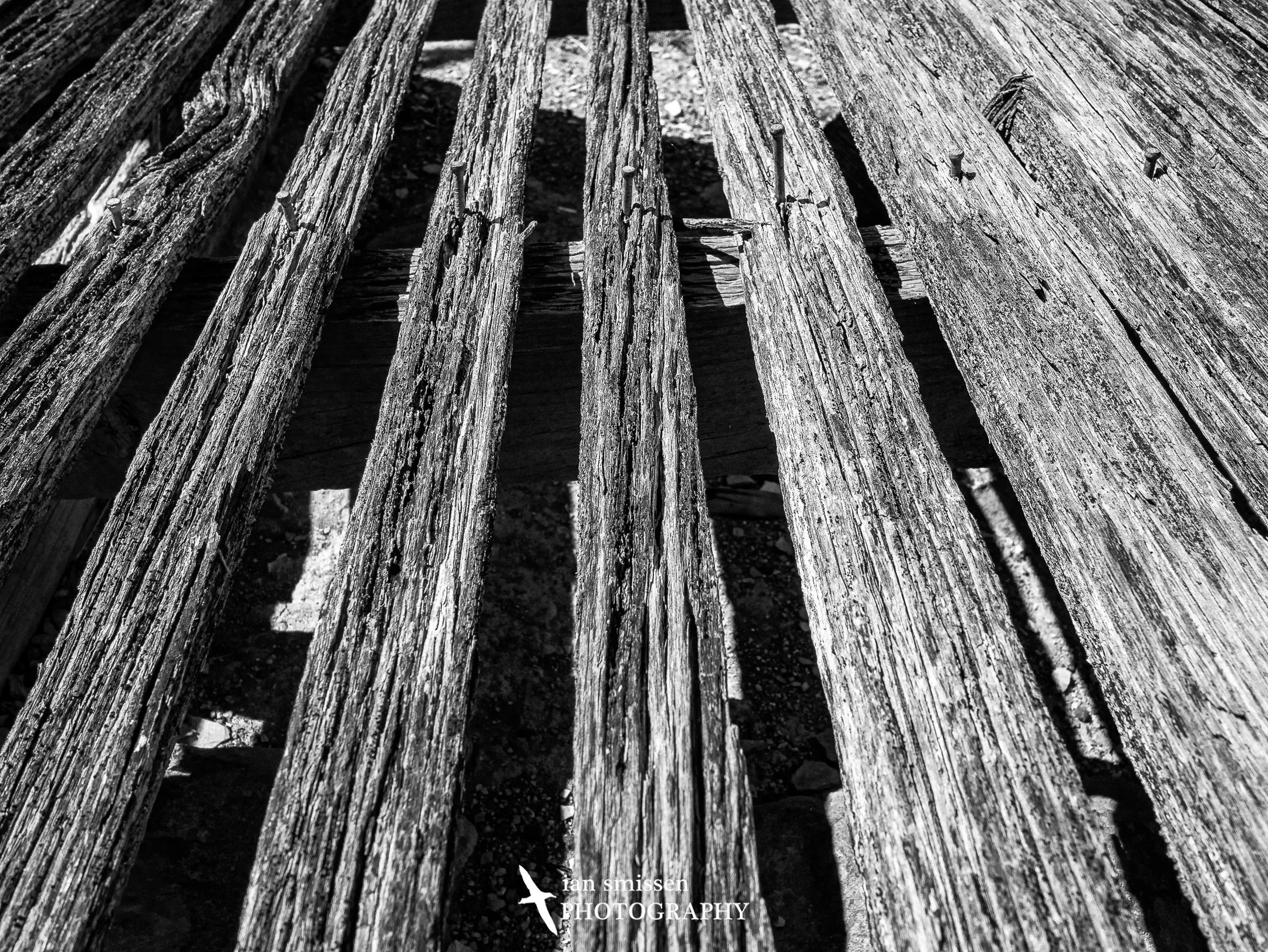
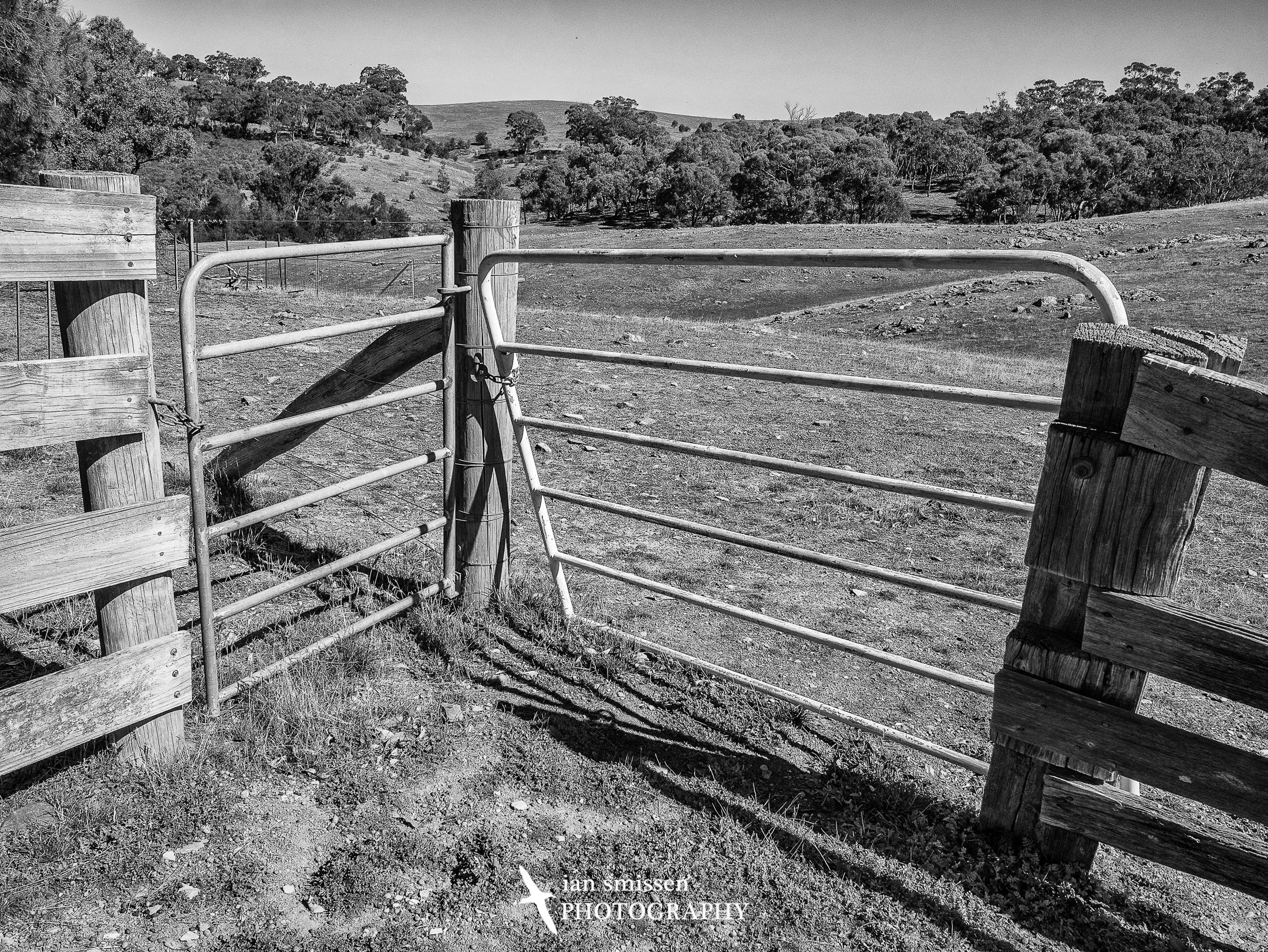
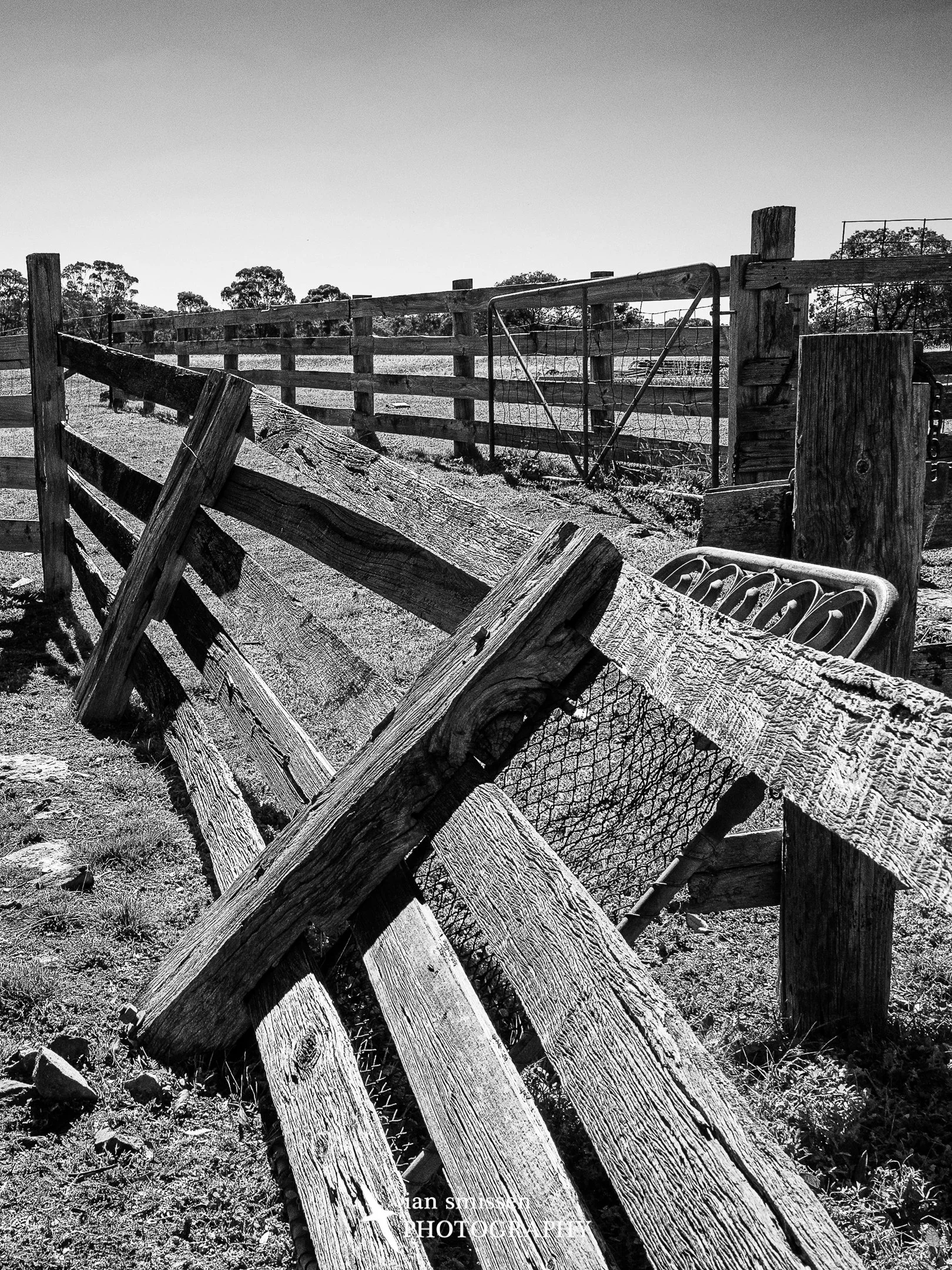
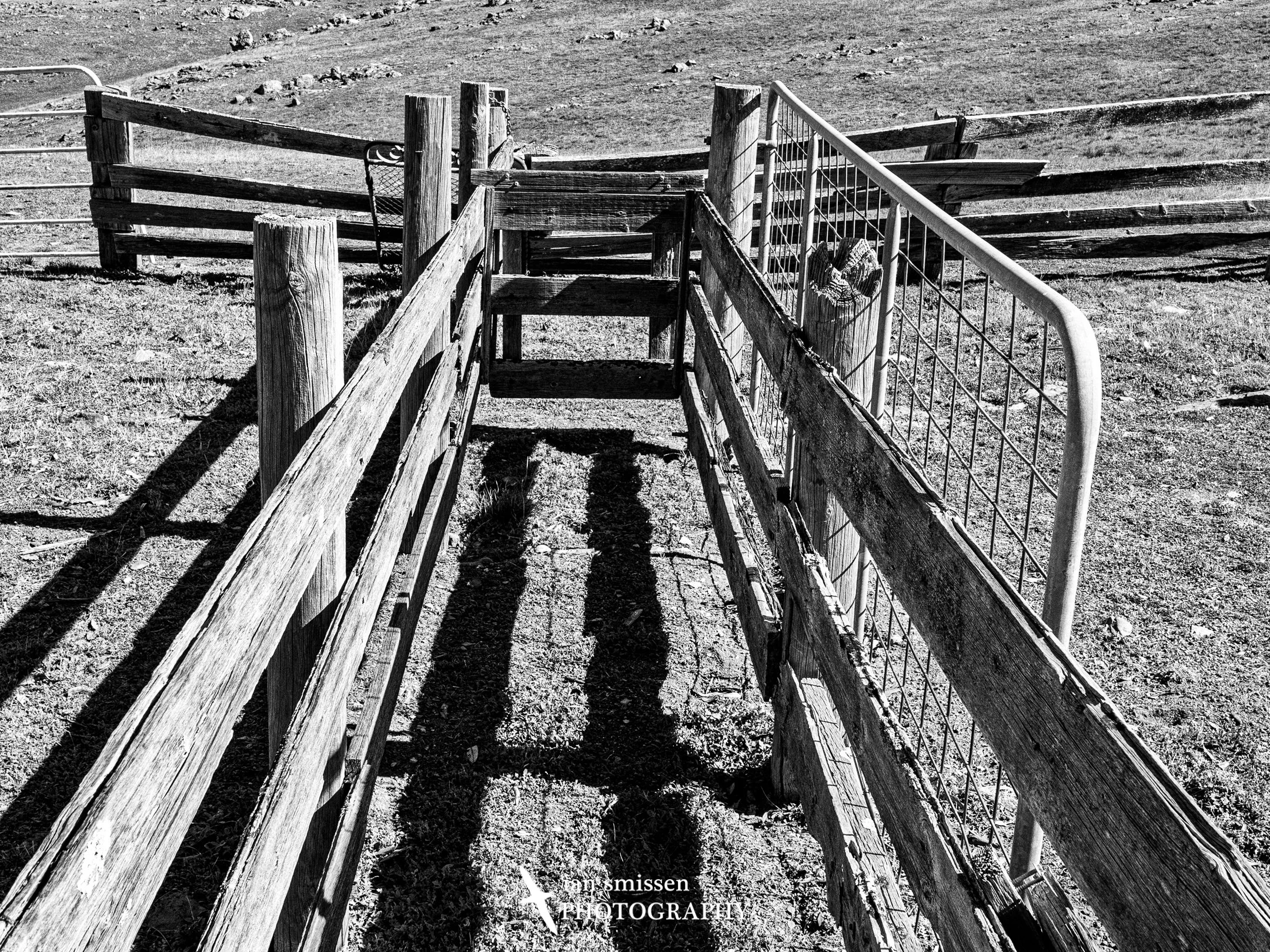
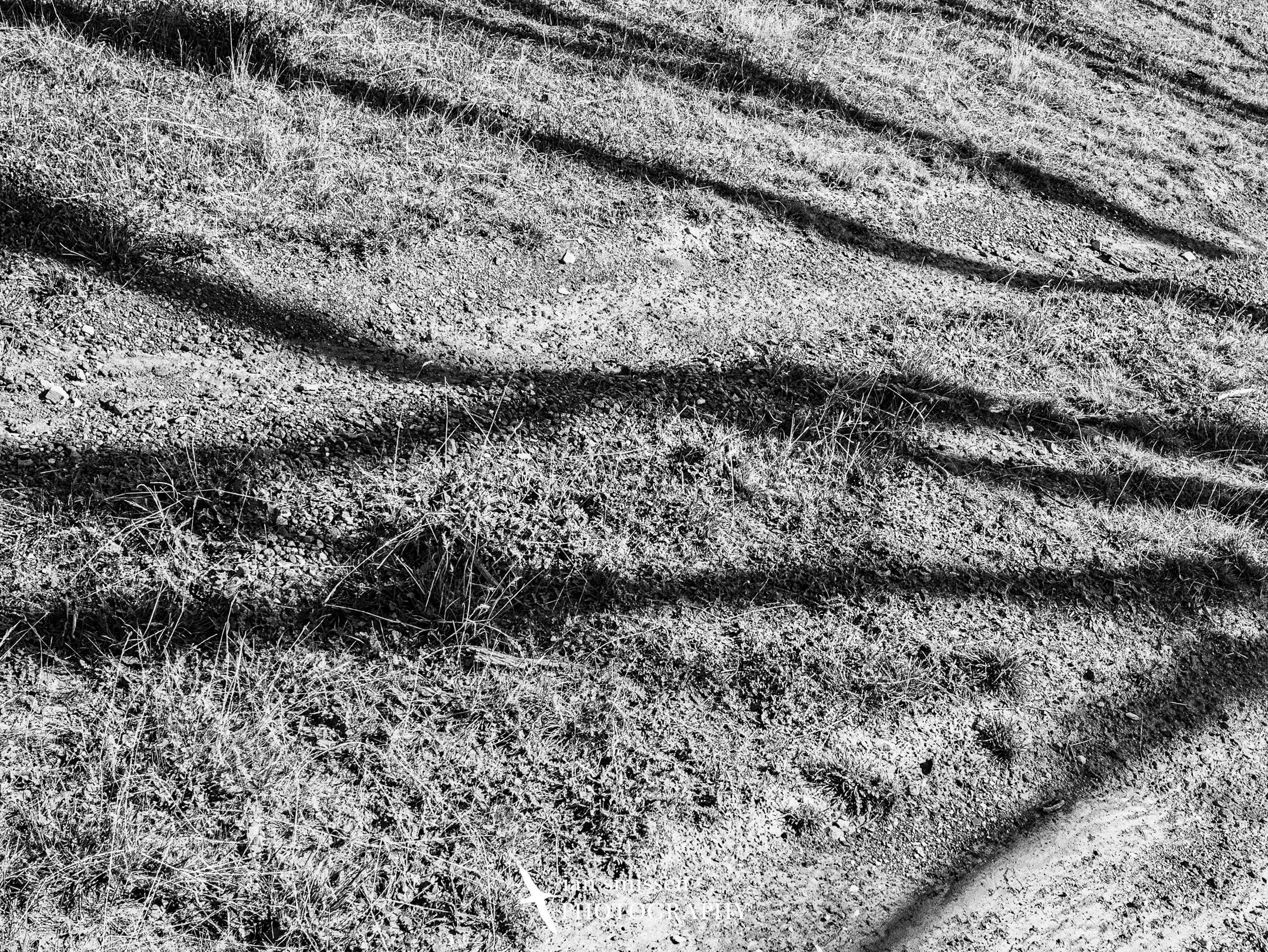
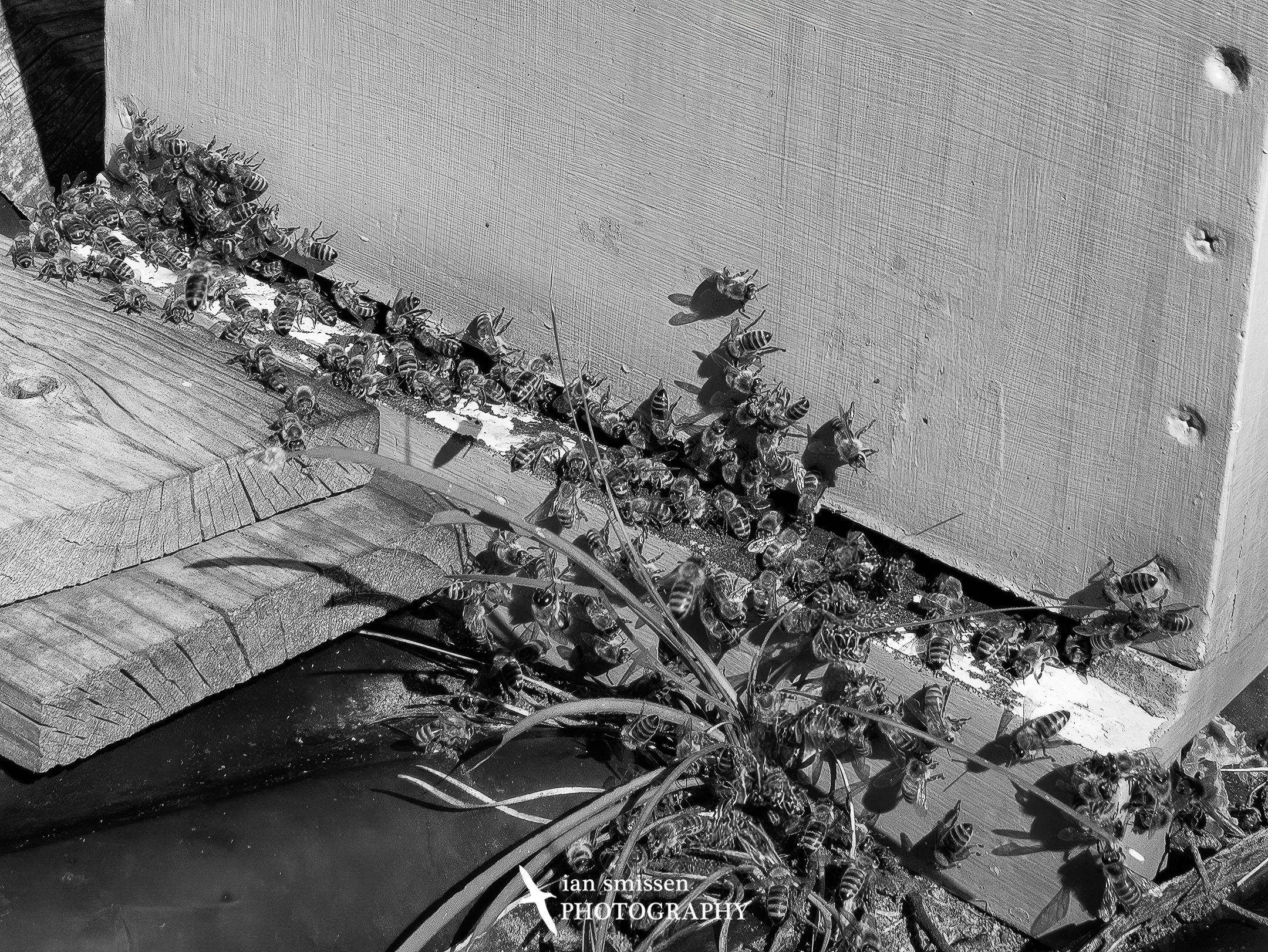
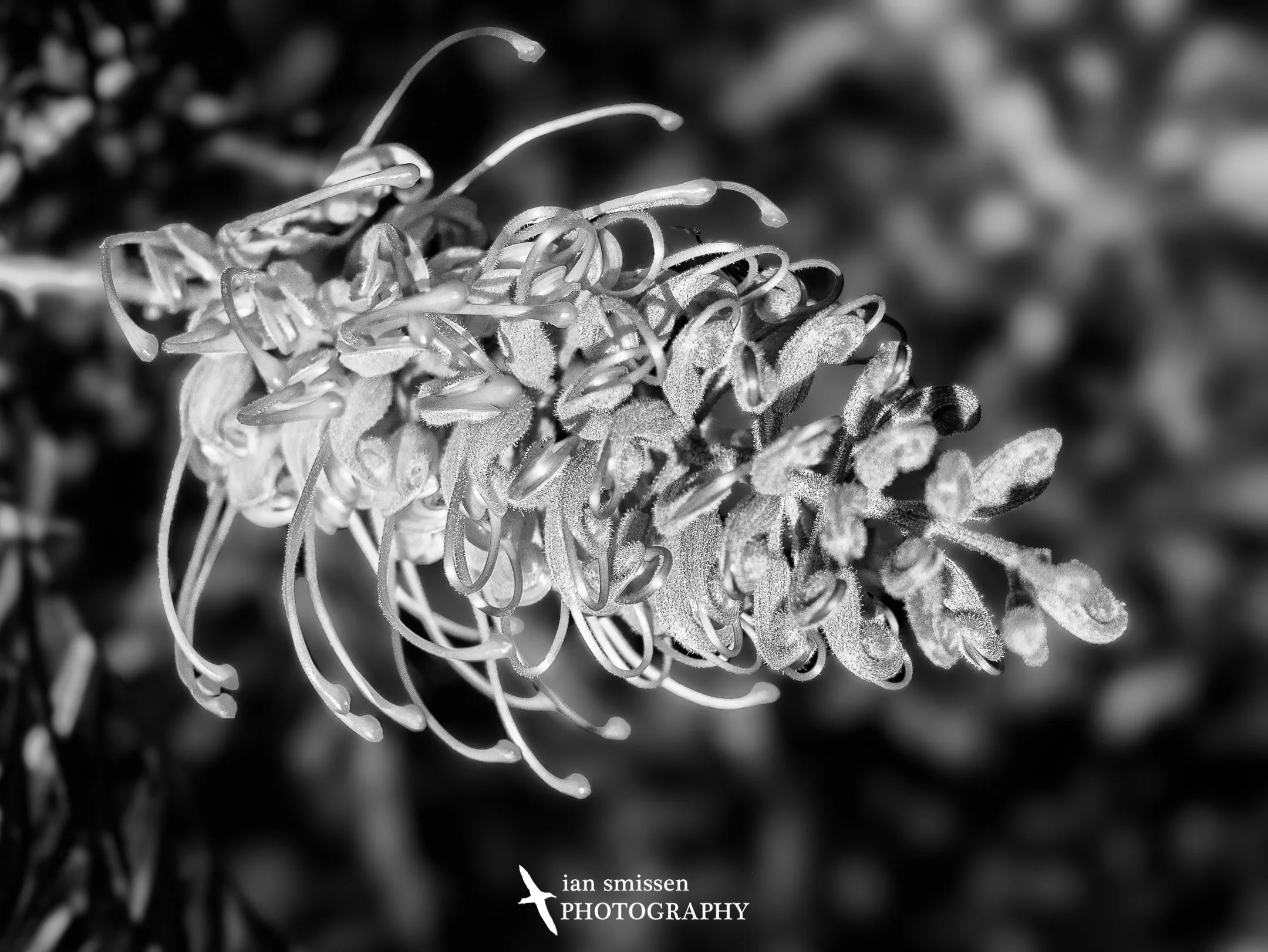
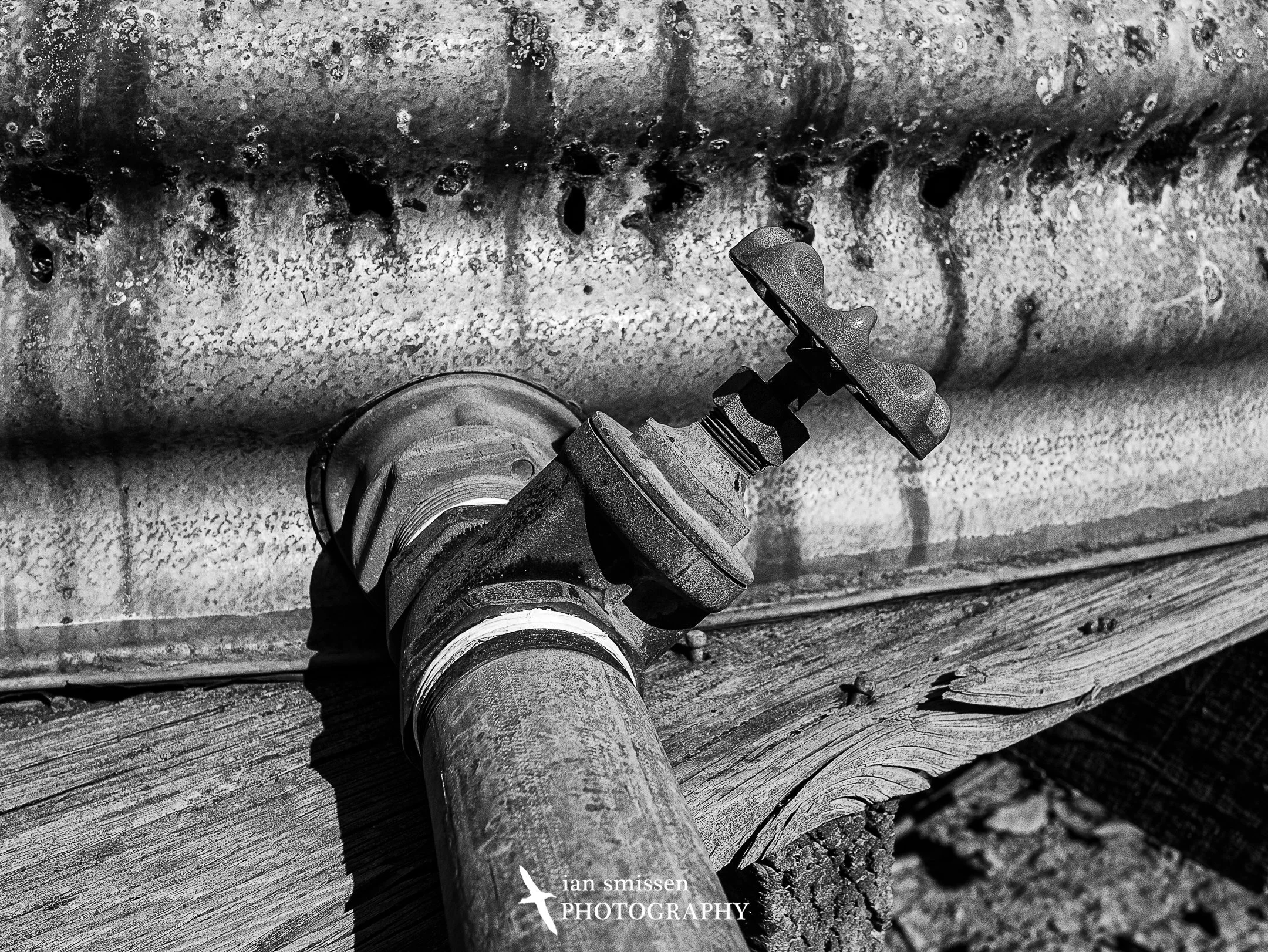
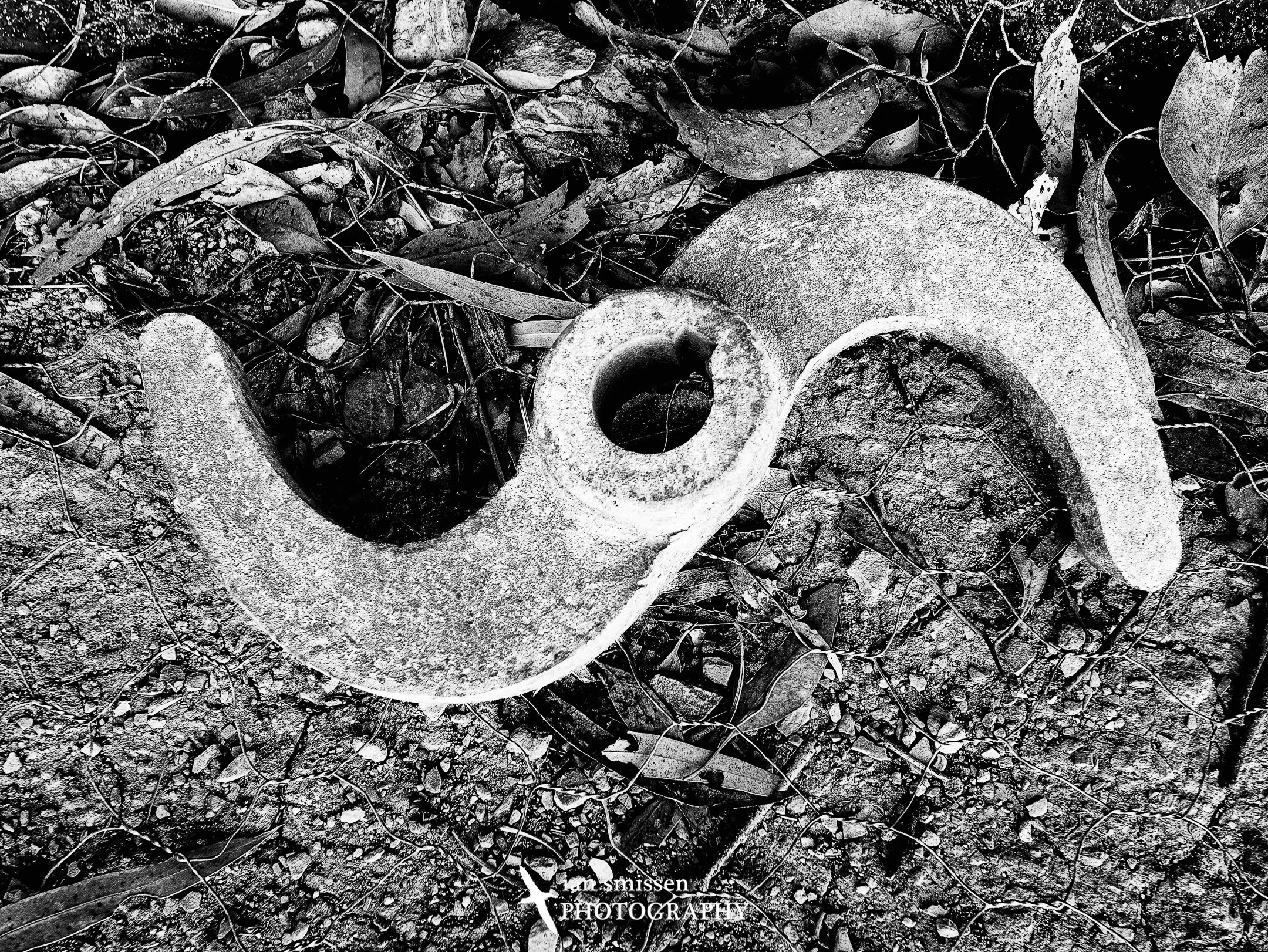
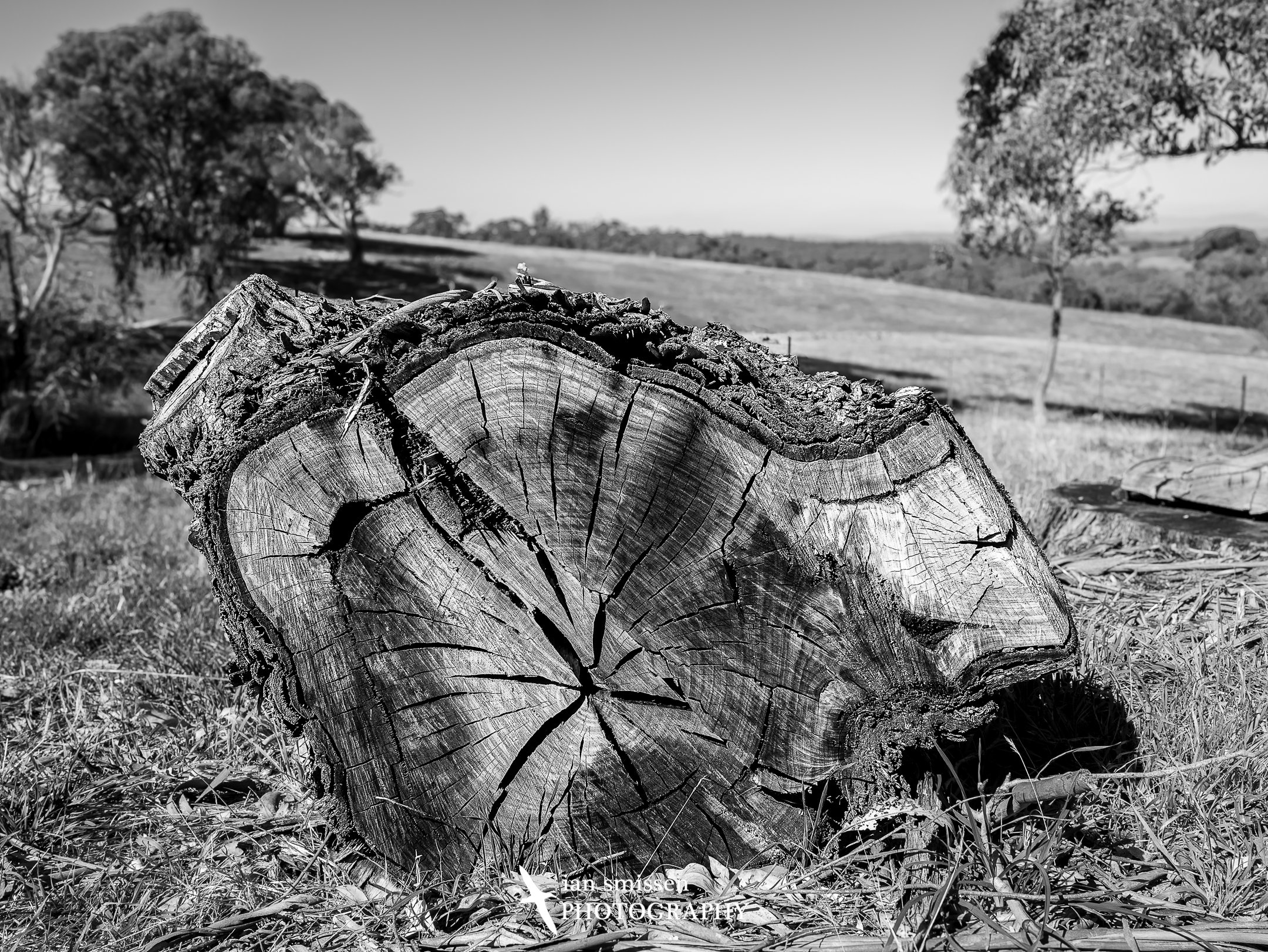
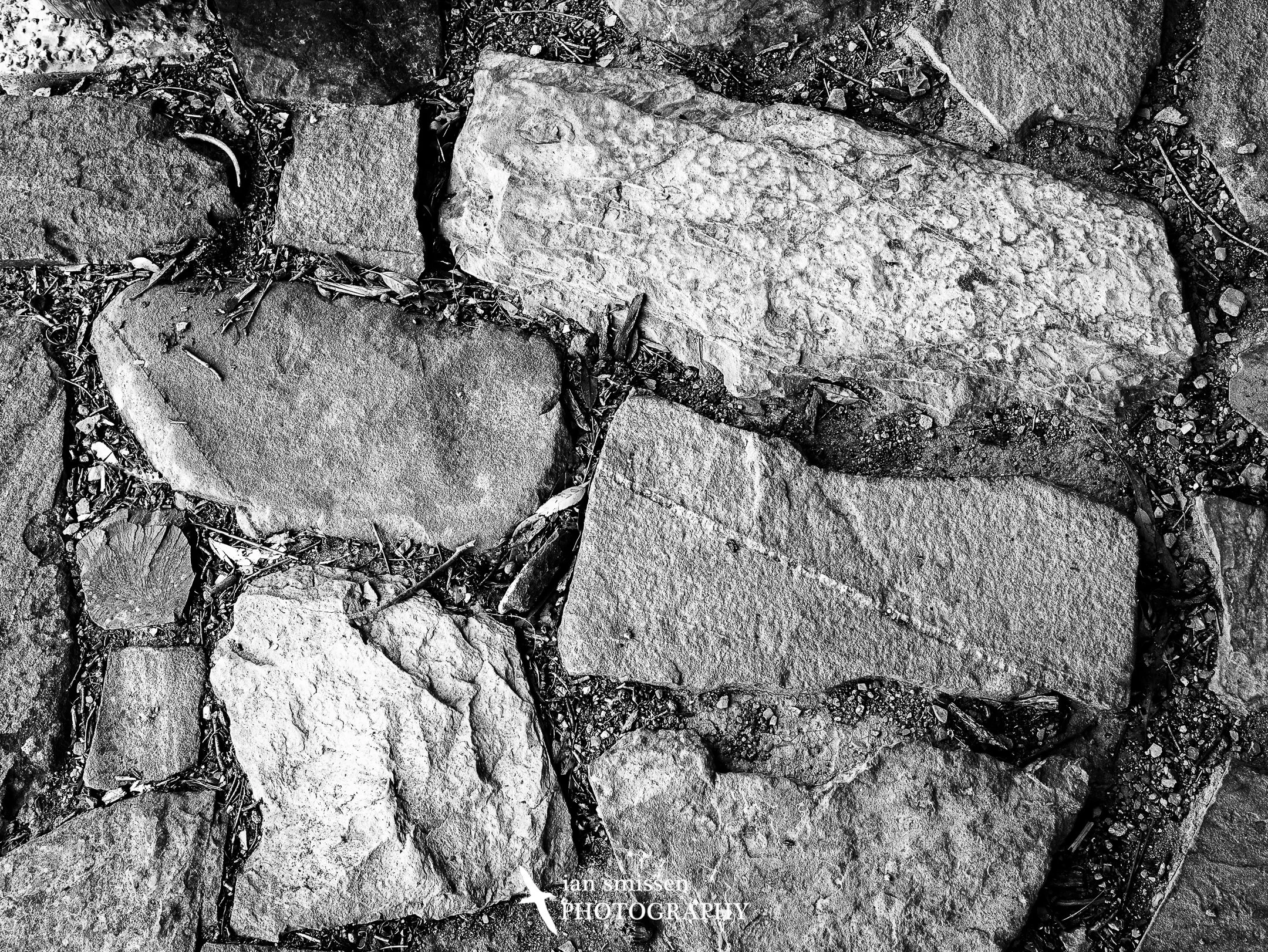
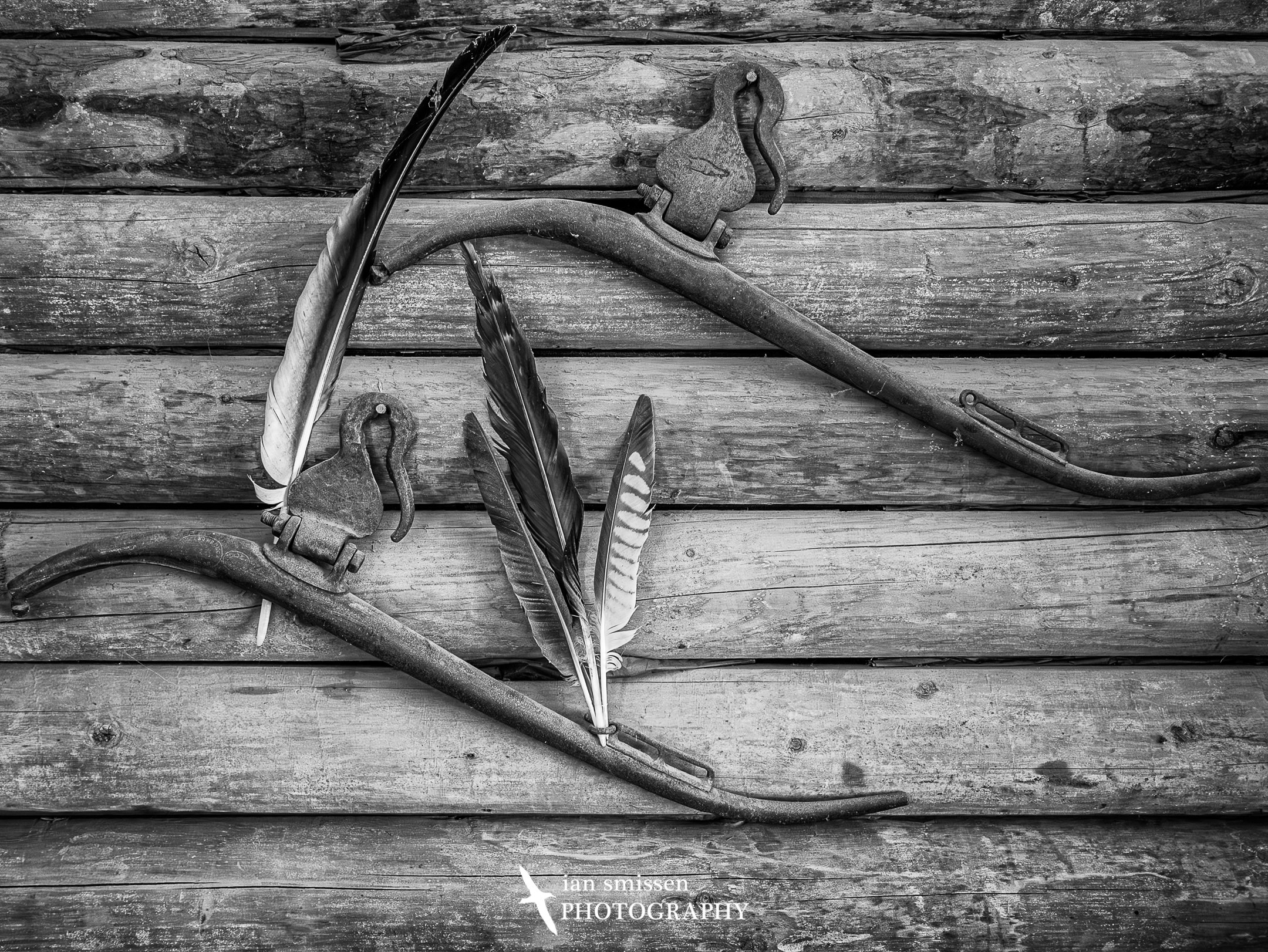
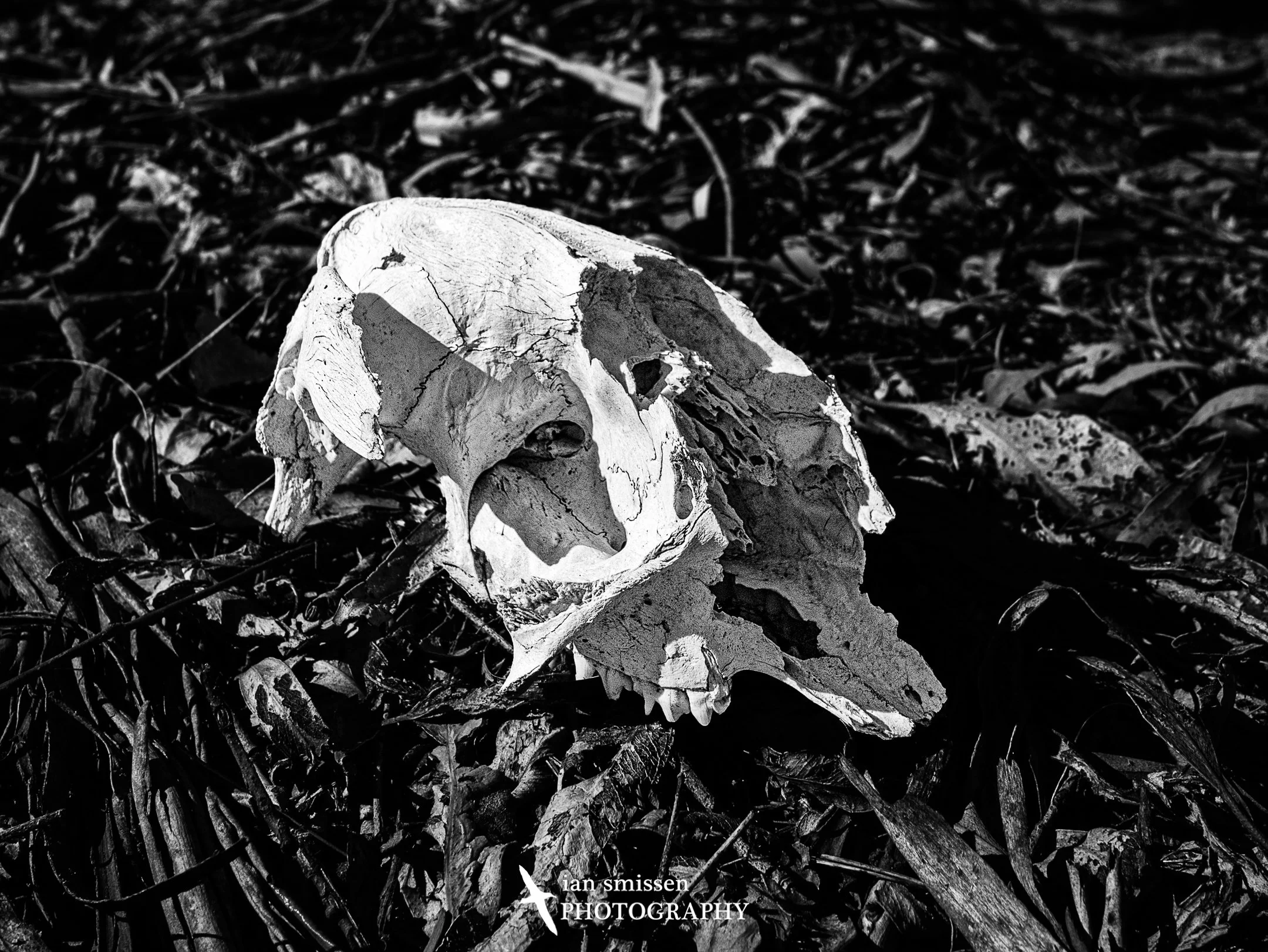
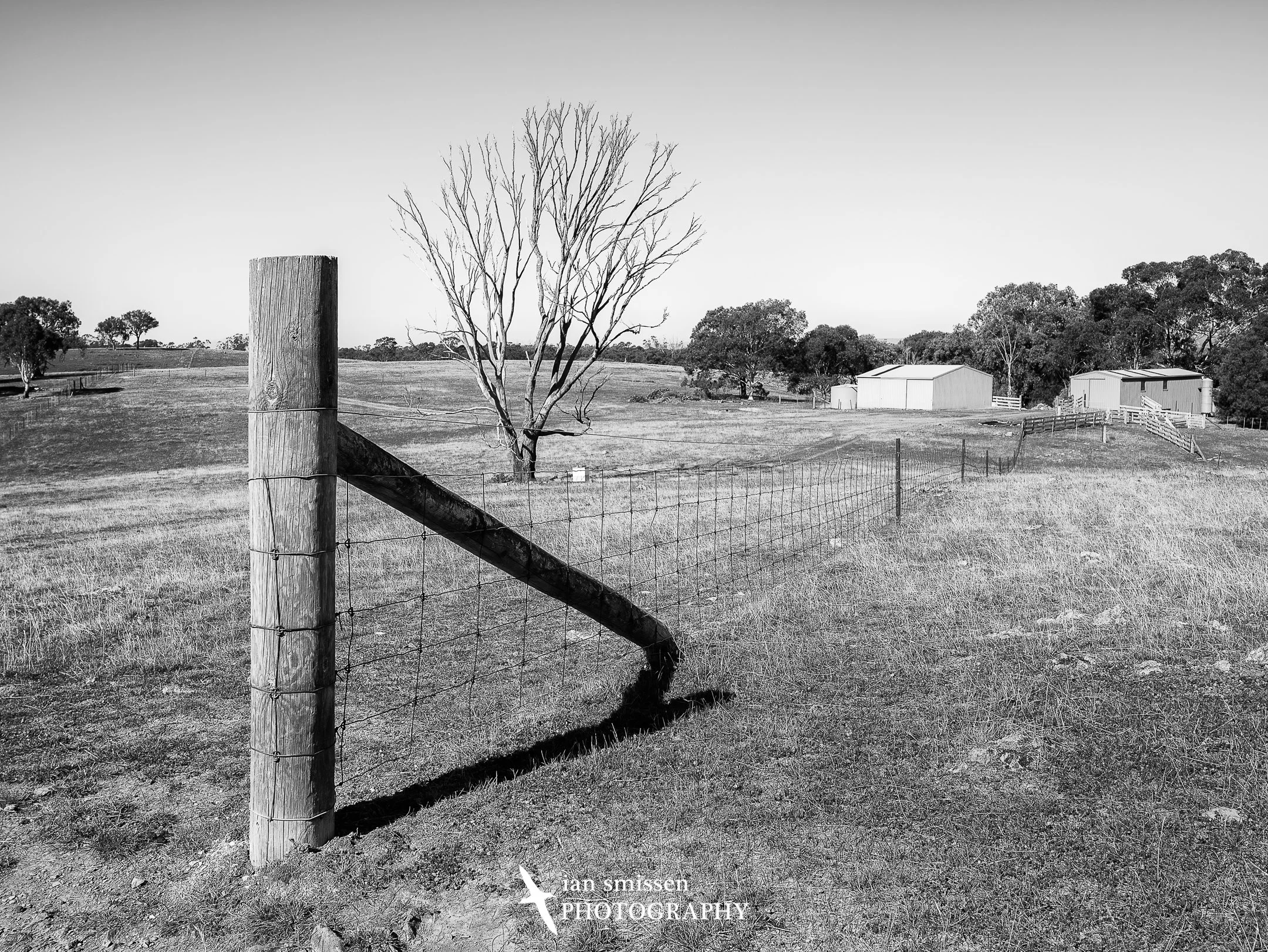
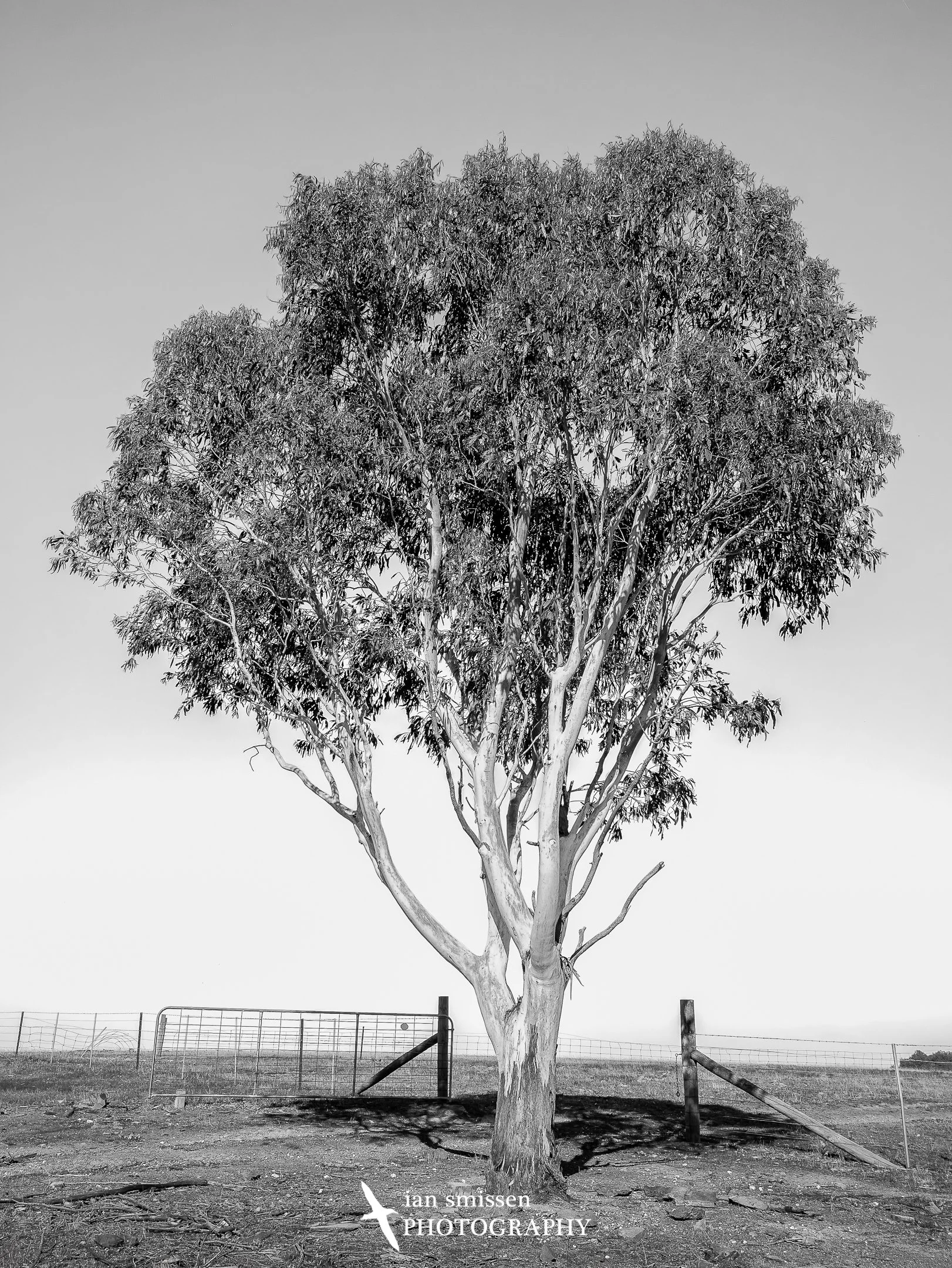
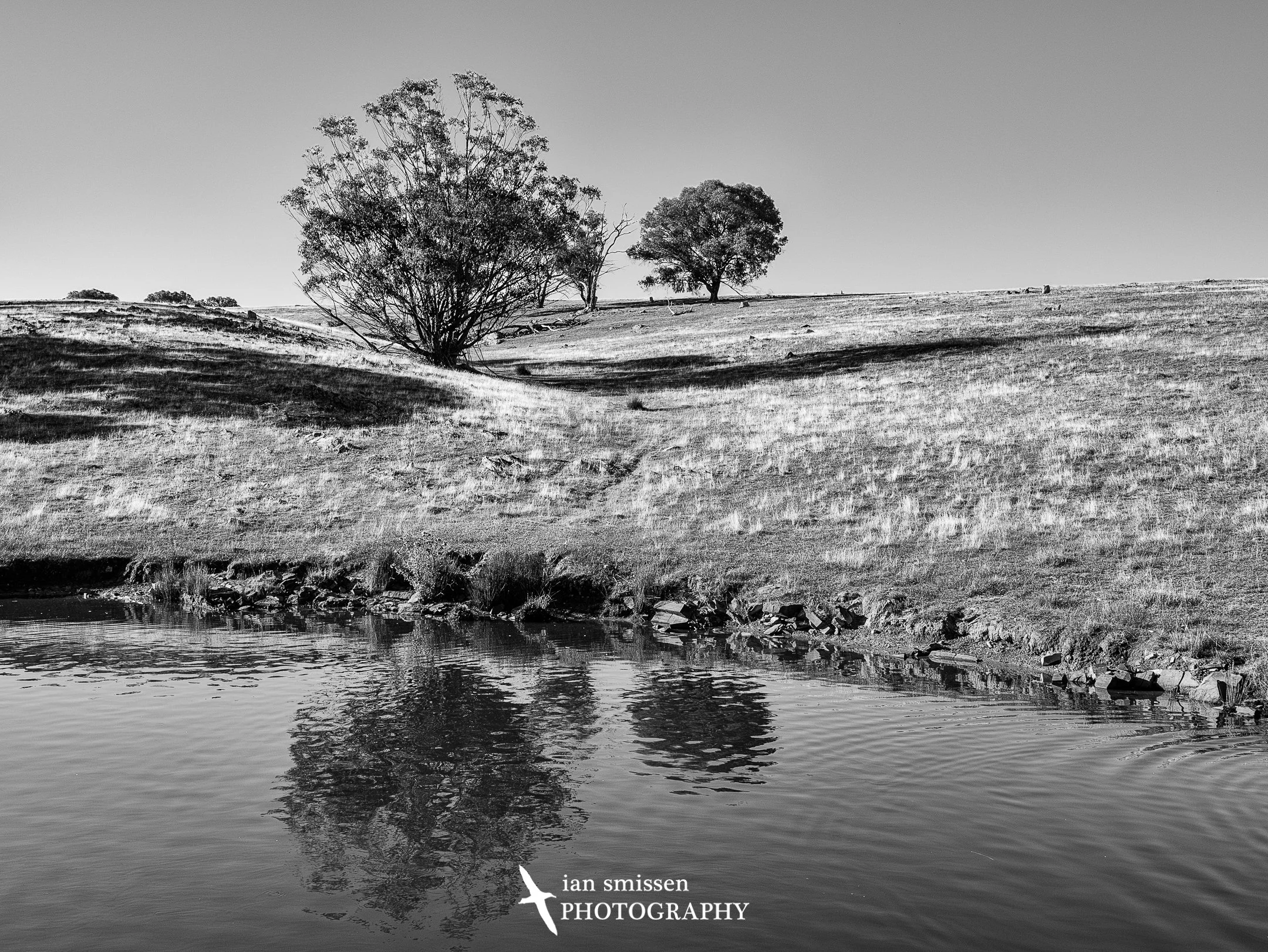
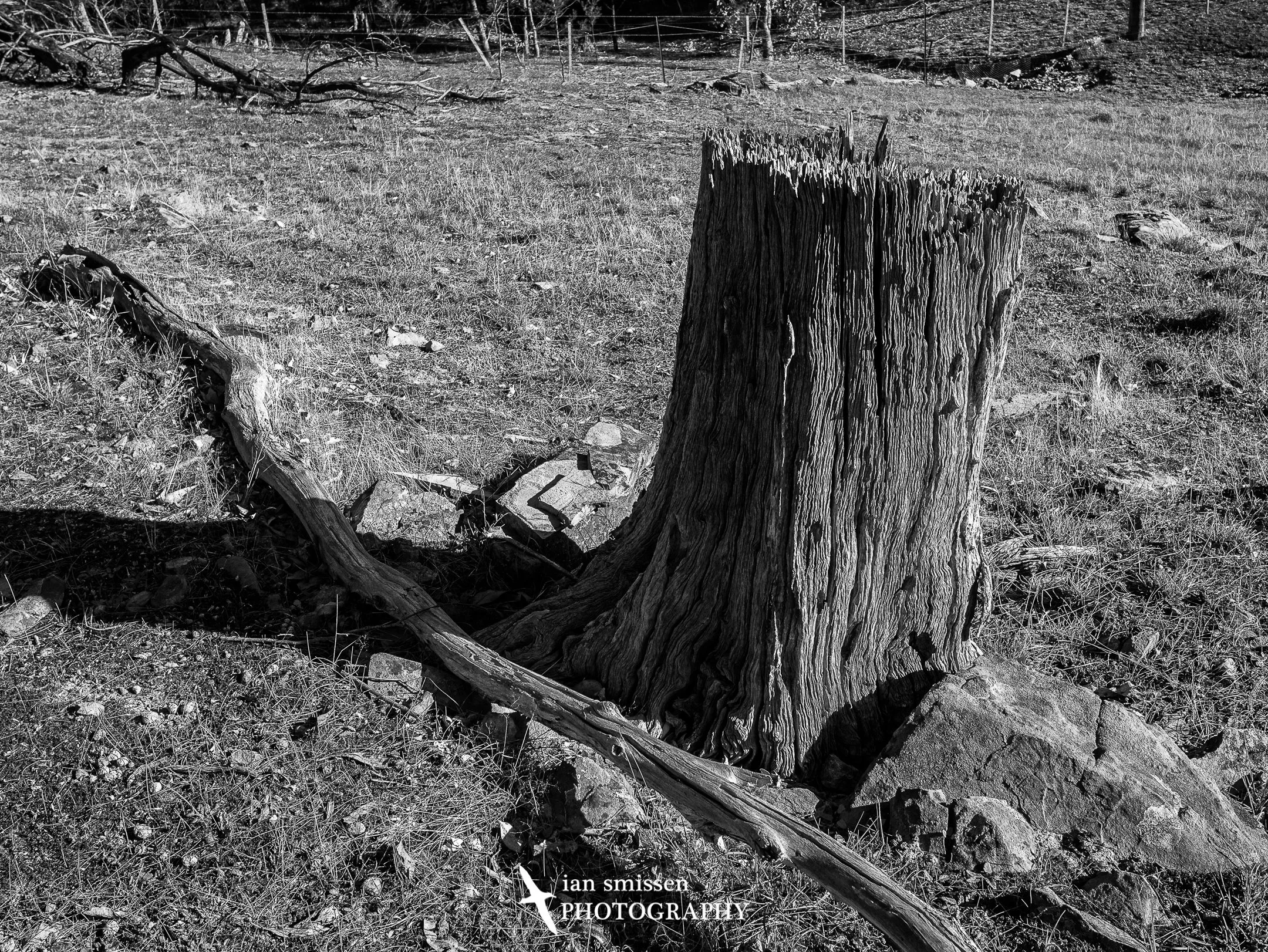
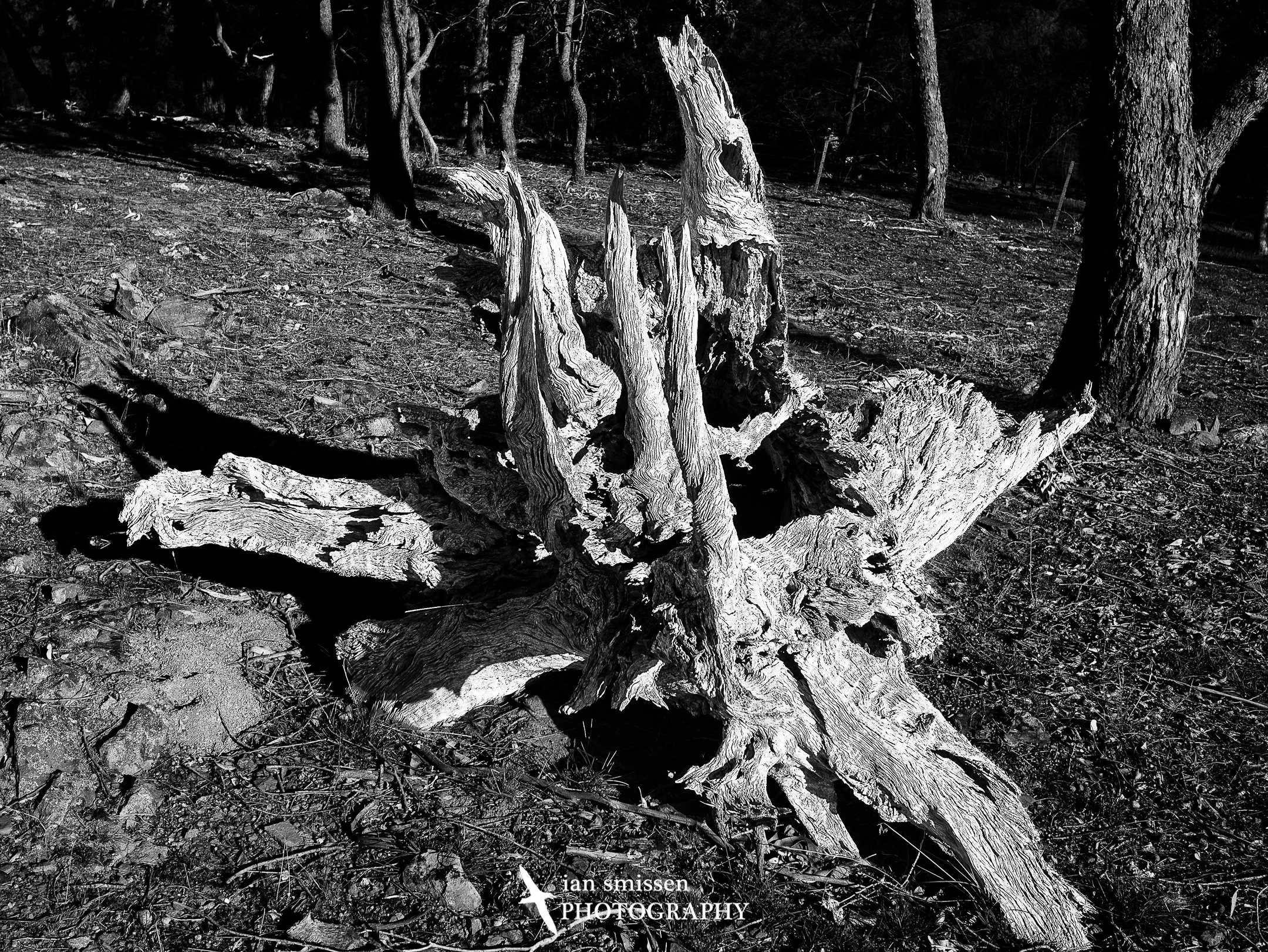
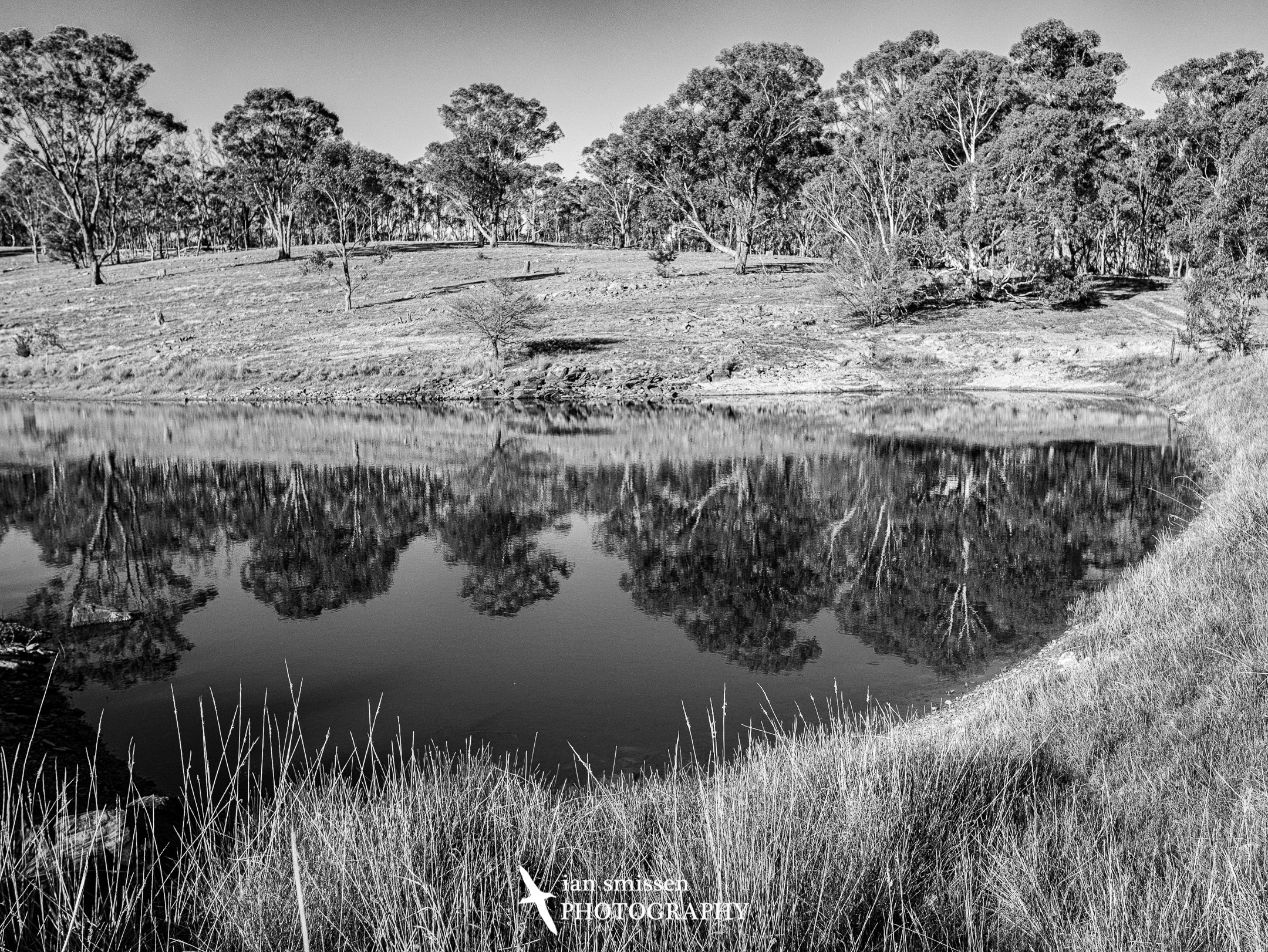
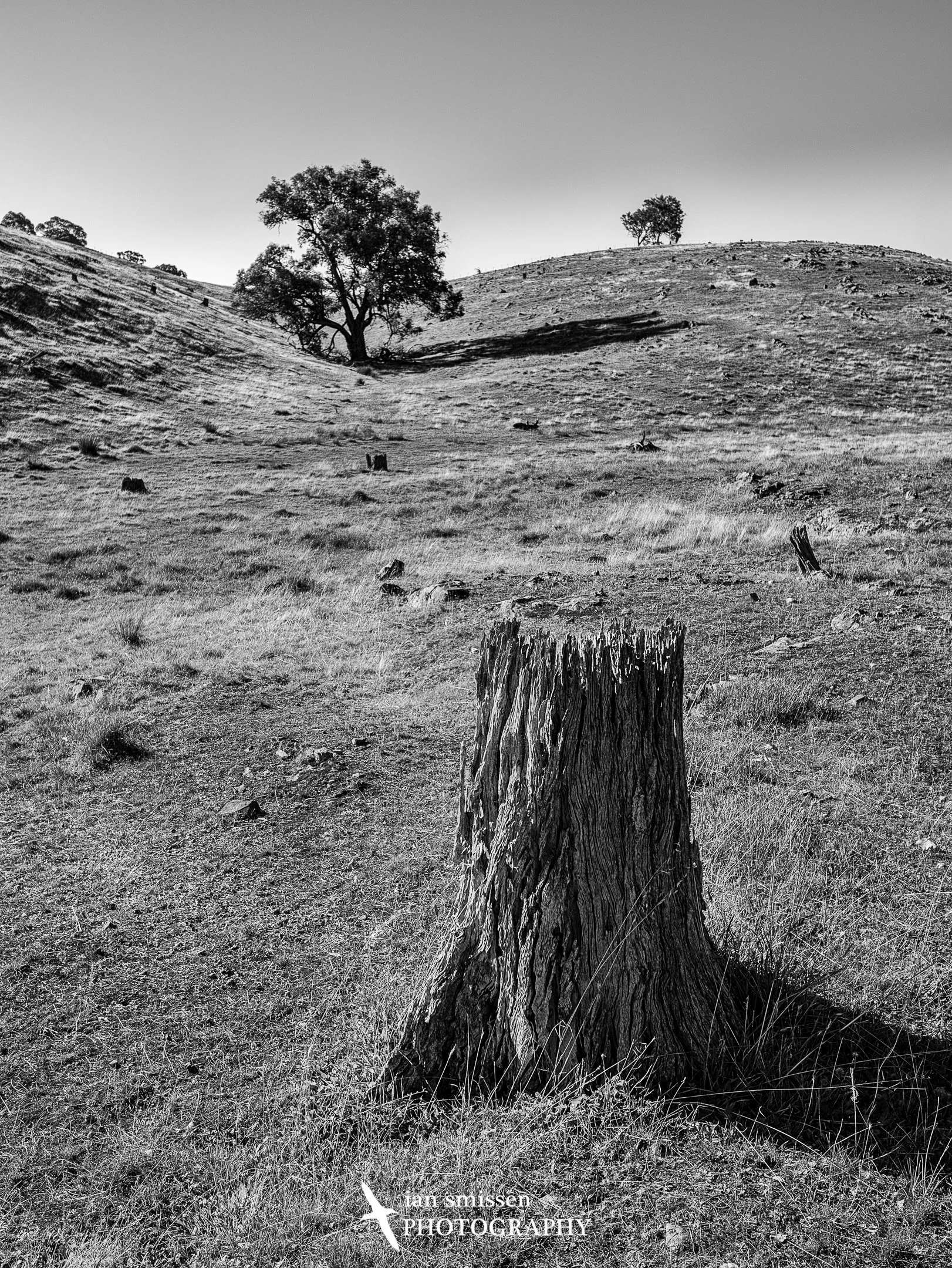
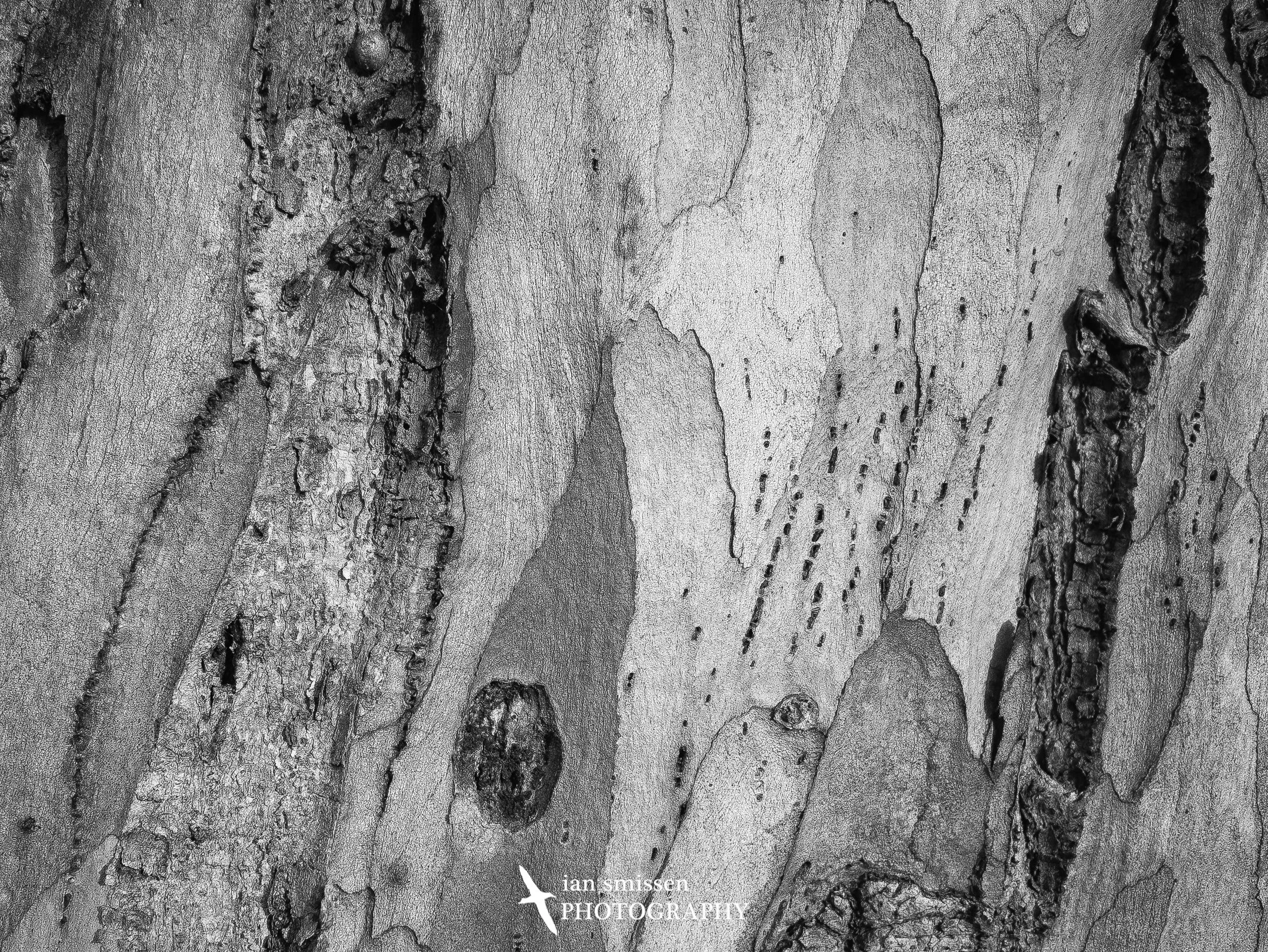
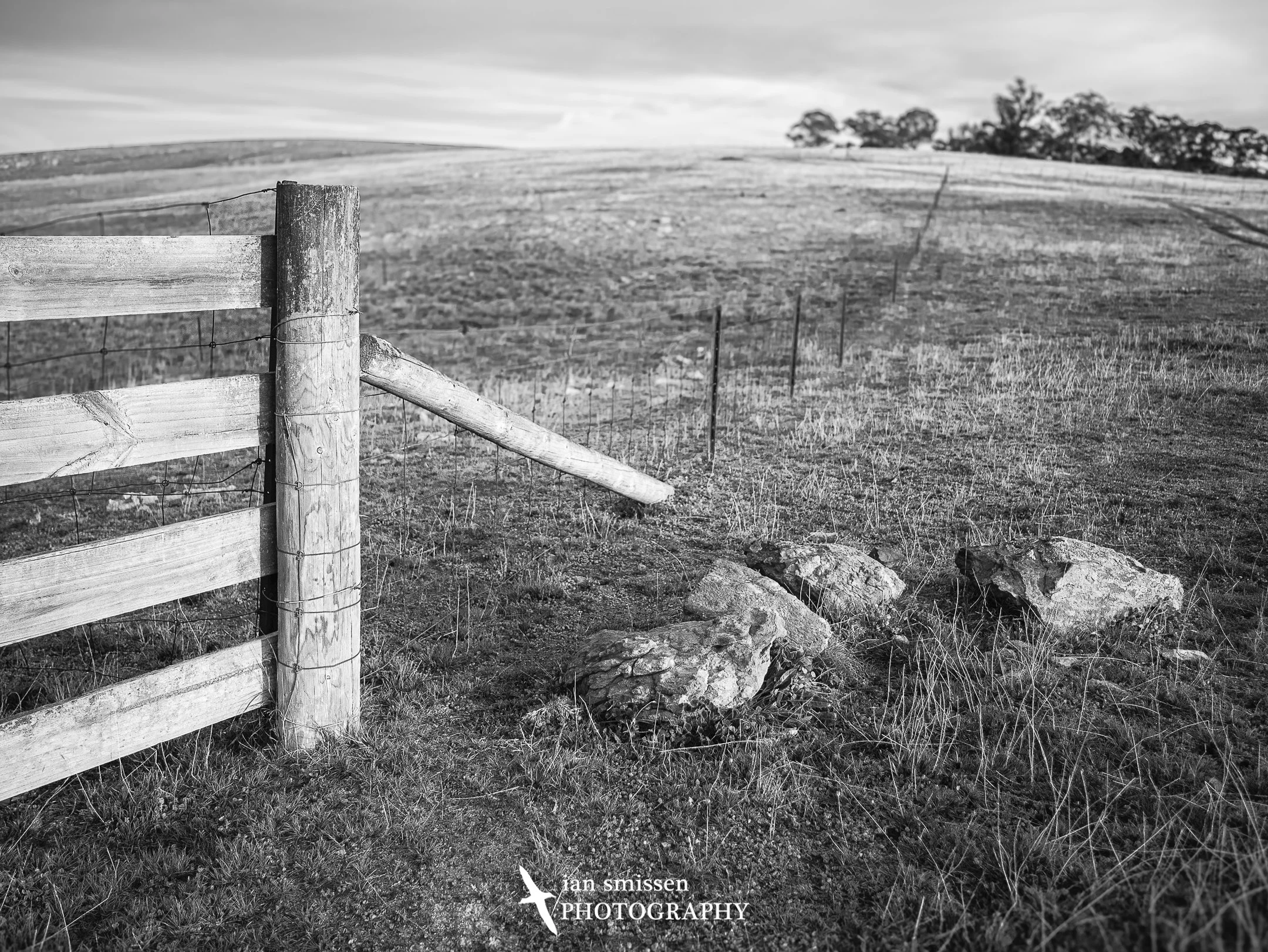
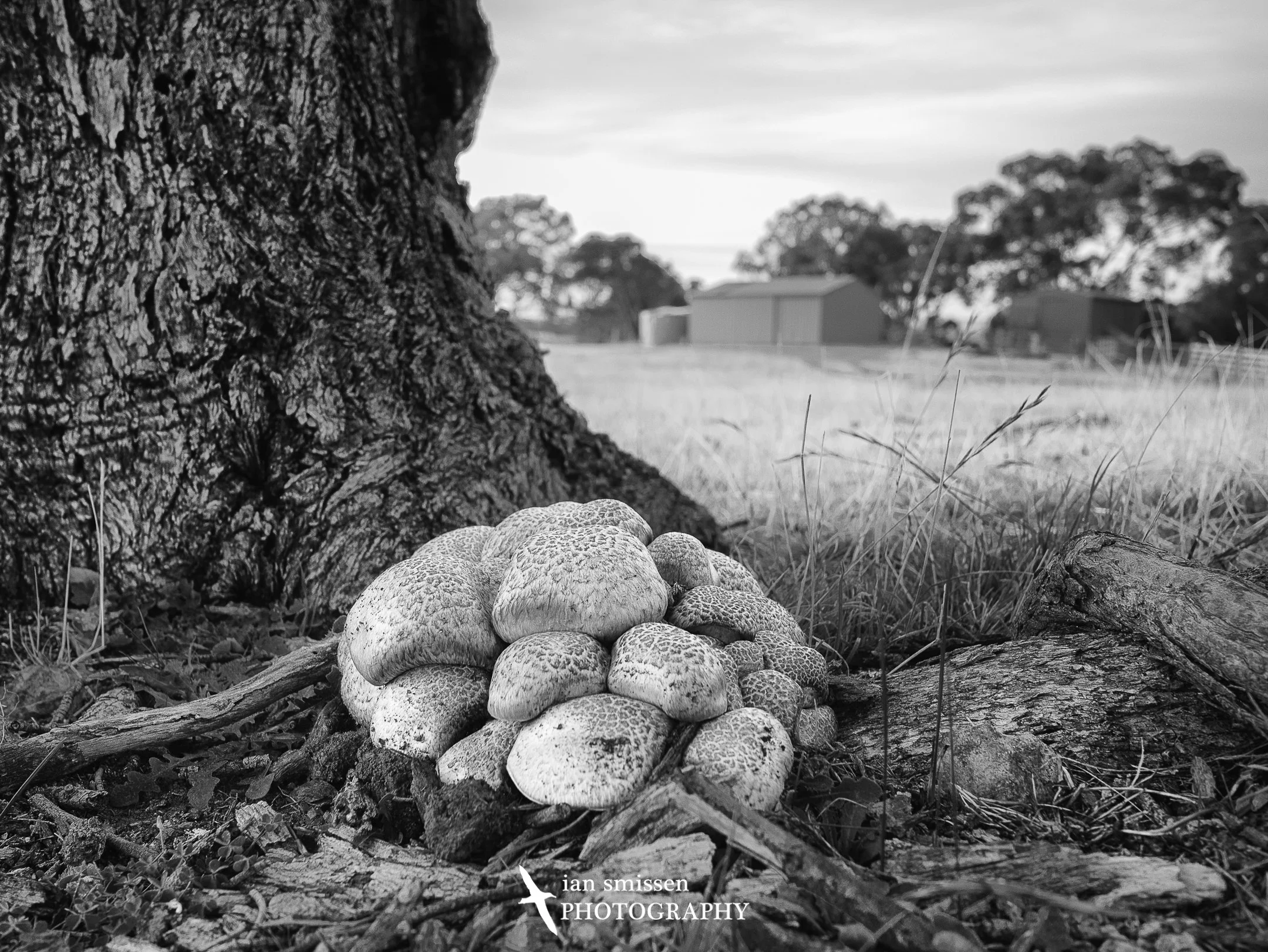
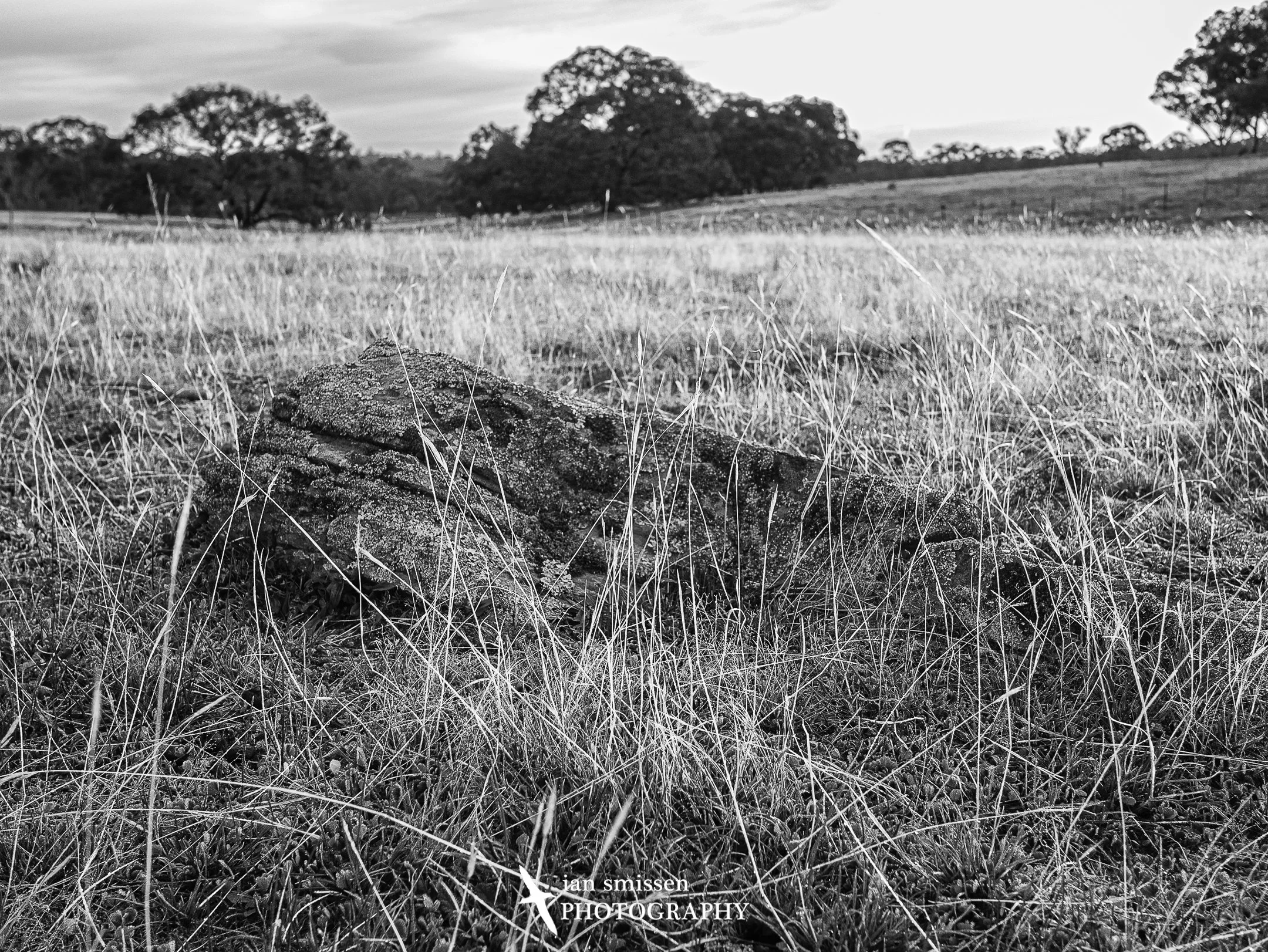
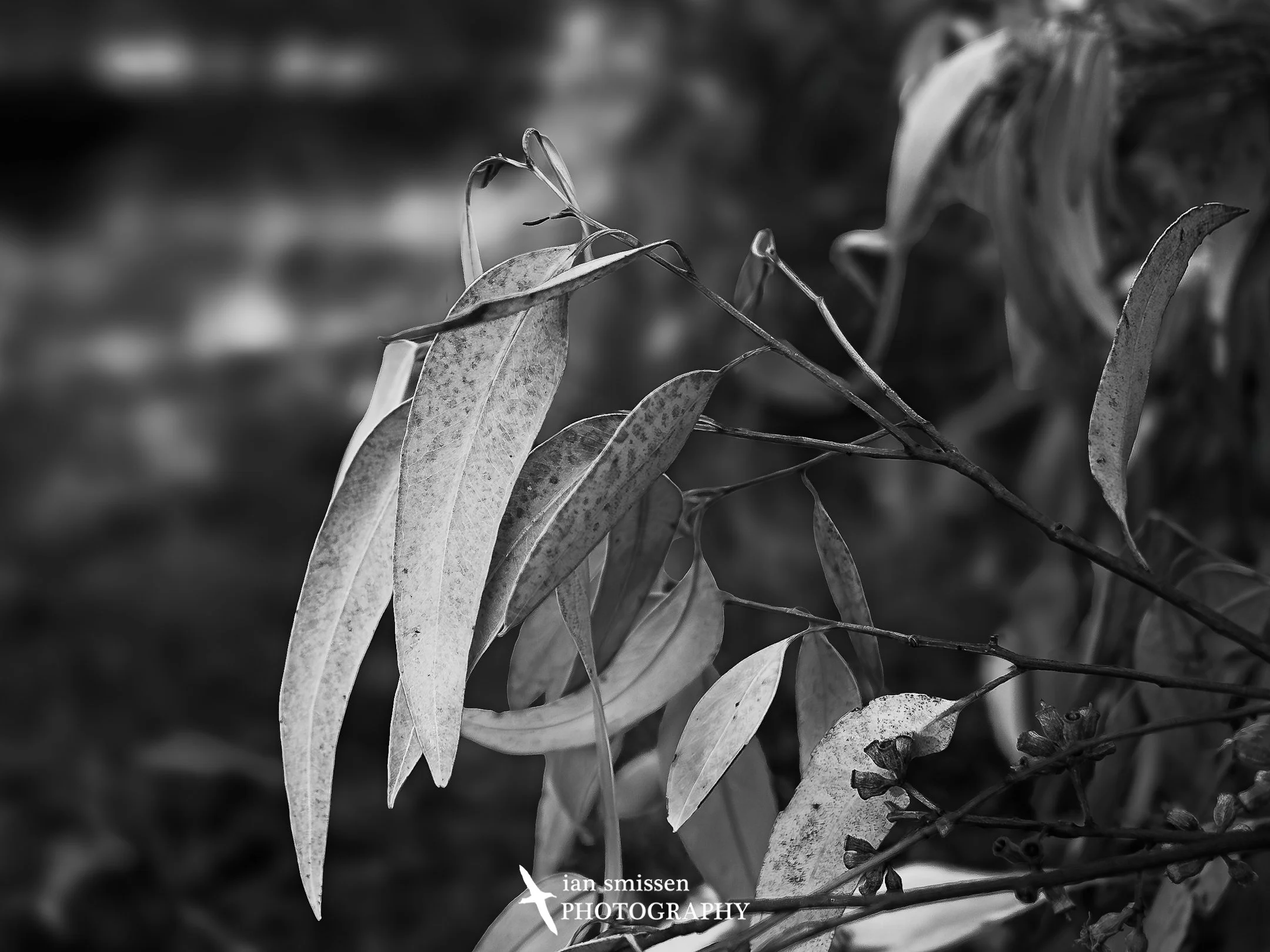
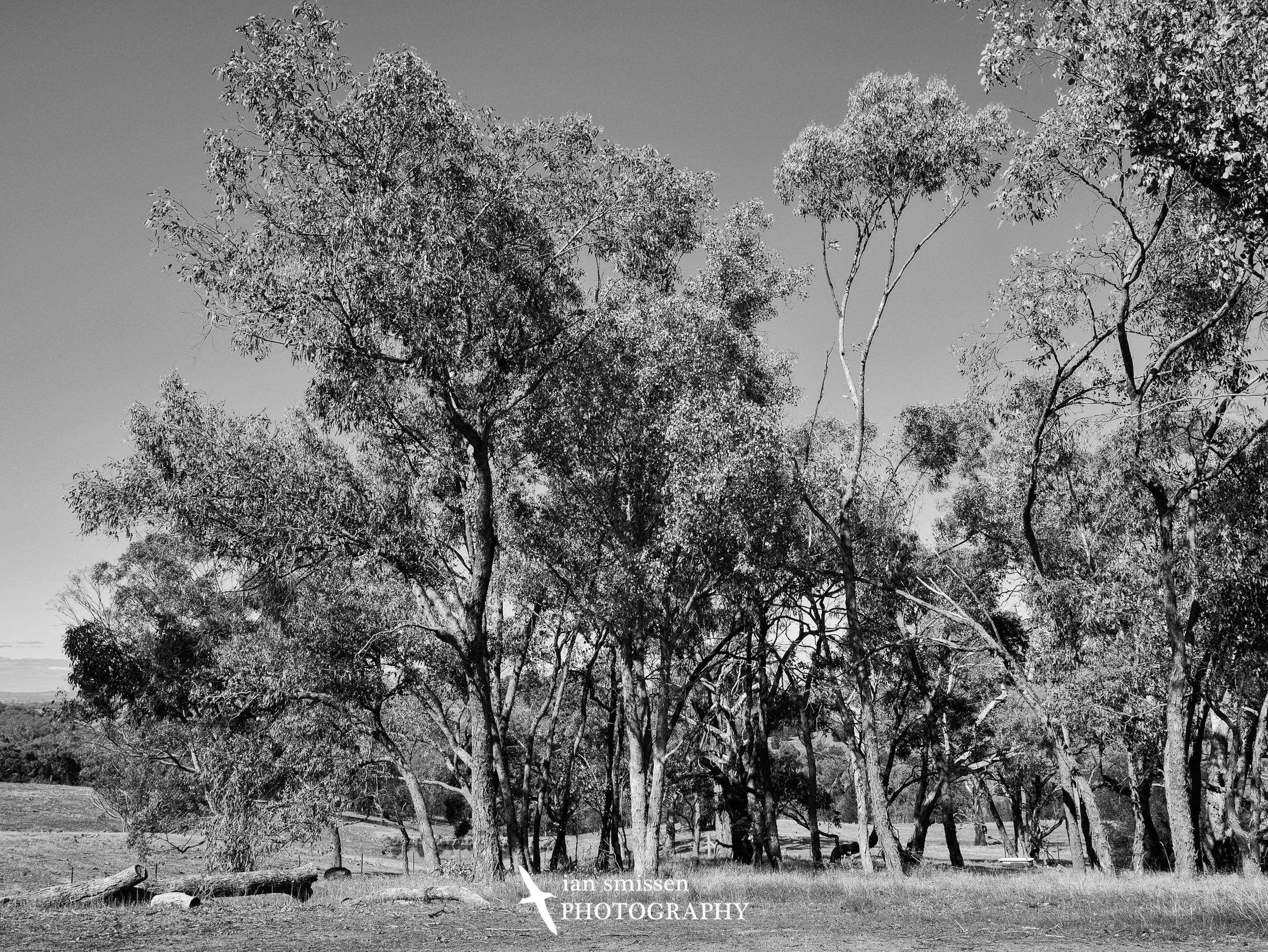
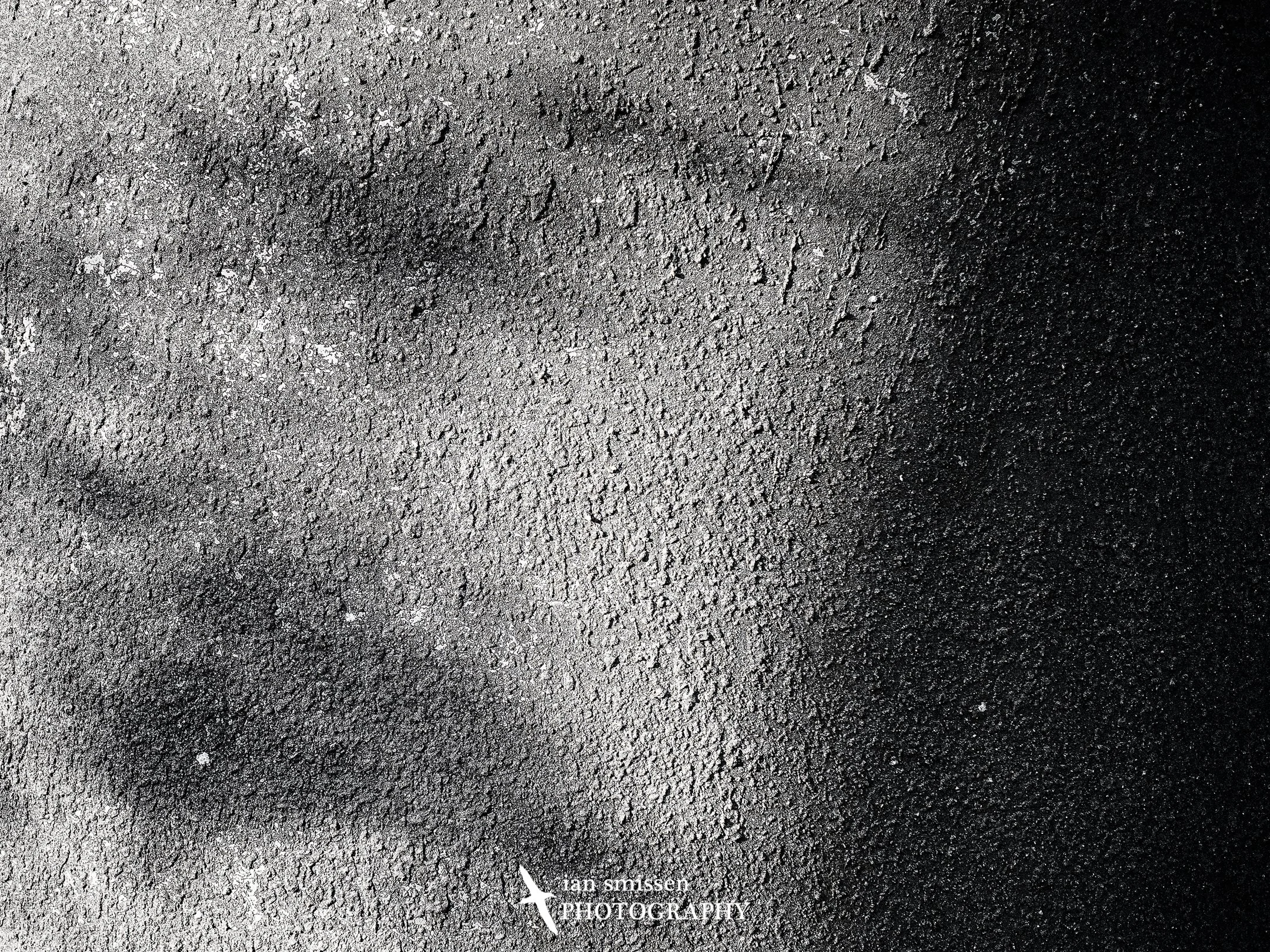
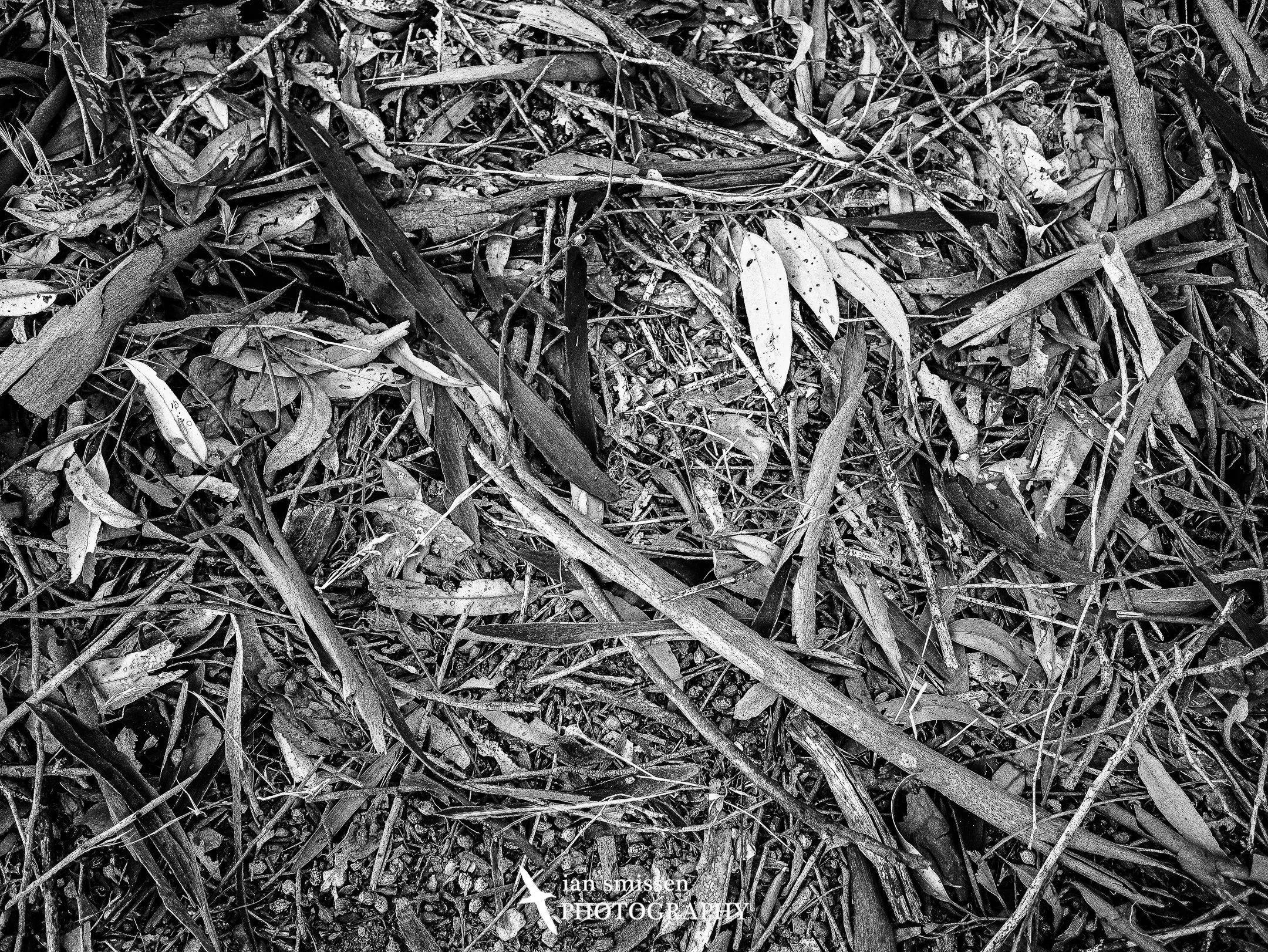
I had just purchased a new (2nd hand) camera and lens—in fact we delayed our departure from home to accept the delivery—and I was keen to try them out. I created this small project for the weekend: 36 black and white “landscape” photographs (there’s a few more than 36) taken around the farm, all made with the new camera-lens combination.

The camera is a Panasonic Lumix GX85—a small micro 4/3 mirrorless camera—and the lens is a 15mm wide-angle (30mm full frame equivalent) prime lens, an ideal combination for hand-held street photography, so it stimluated some different approaches to framing compositions from the normal zoom lenses used on my other cameras.

I hope you enjoy the results as much as I enjoyed making them.

Ian
Out of Eden - Pelagic trip to Victorian waters
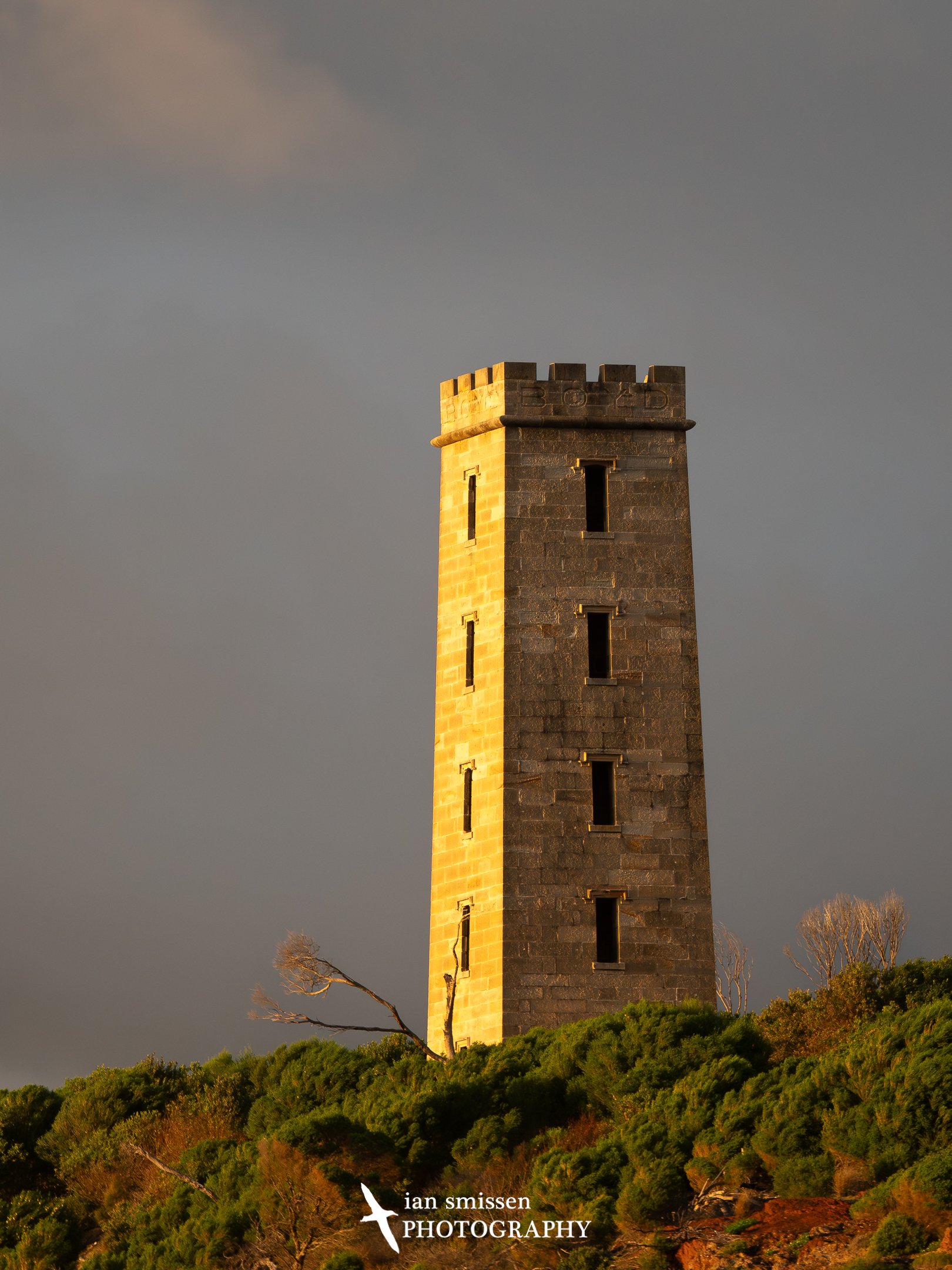
On Sunday 22 March, I took another pelagic trip, this time out of Eden in southern NSW, with the intention to motor south into Victorian waters. We cast off from Eden Harbour before sunrise and as we headed south from Twofold Bay the sun burst over the eastern horizon, its golden glow hitting the east face of Boyds Tower.
Boyd Tower at sunrise

Boyds Tower, Twofold Bay, NSW

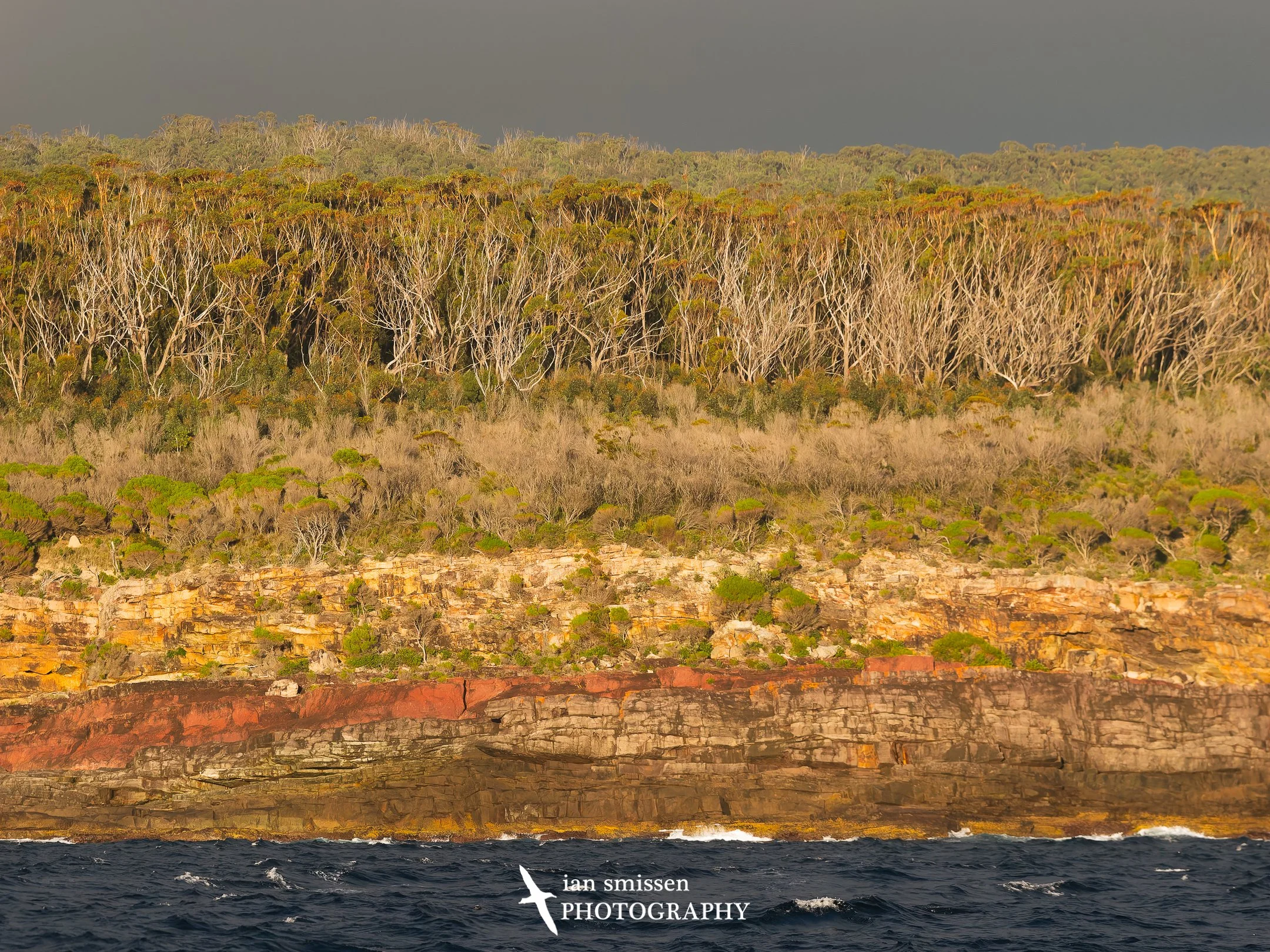
and the cliffs along the coast of Beowa National Park.

Coastal cliffs, Beowa National Park, south of Eden, NSW

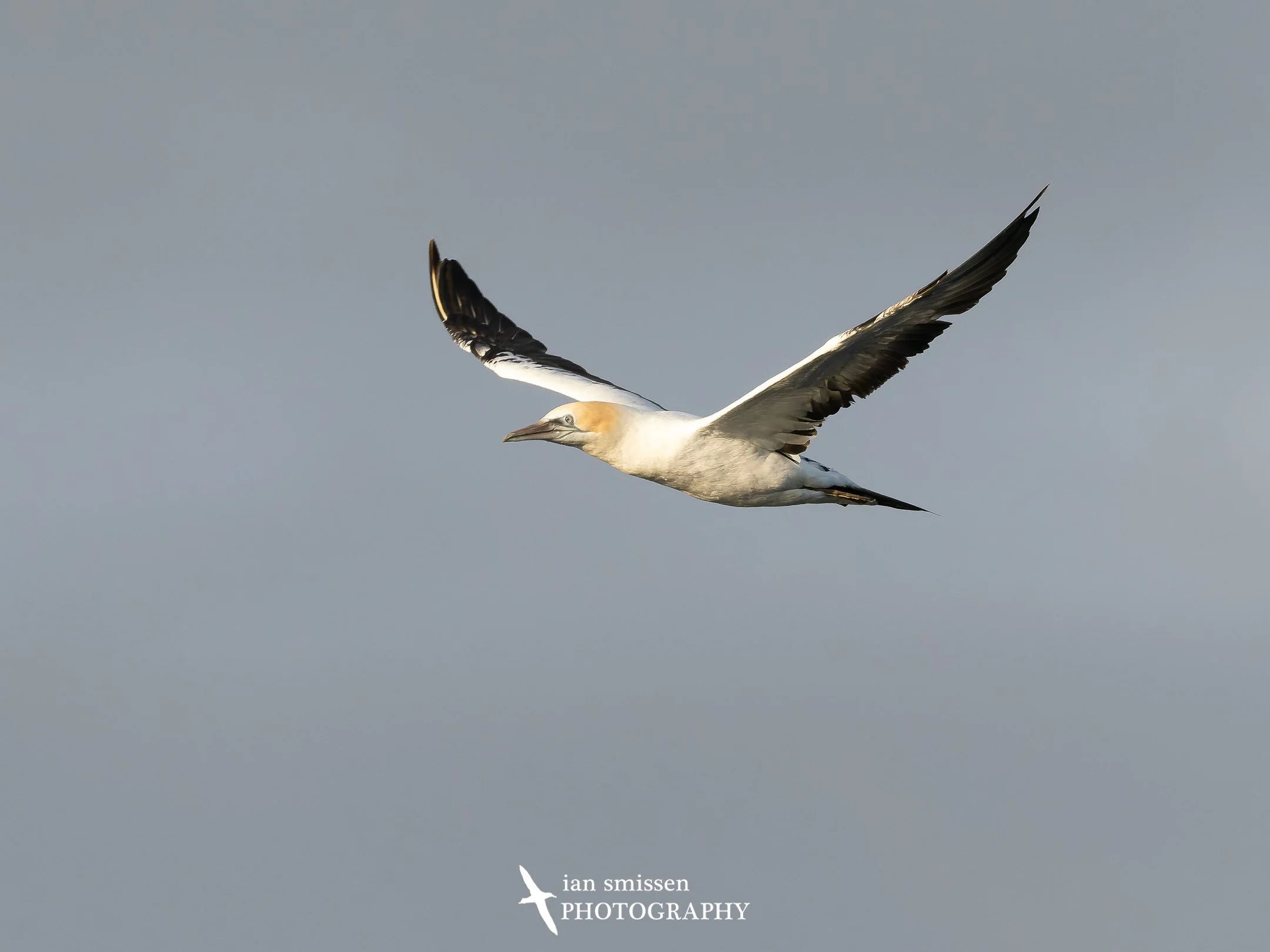
It wasn’t long before our first birds of the morning arrived with several gannets flying past - mostly juveniles and immature birds.

Australasian Gannet (immature)

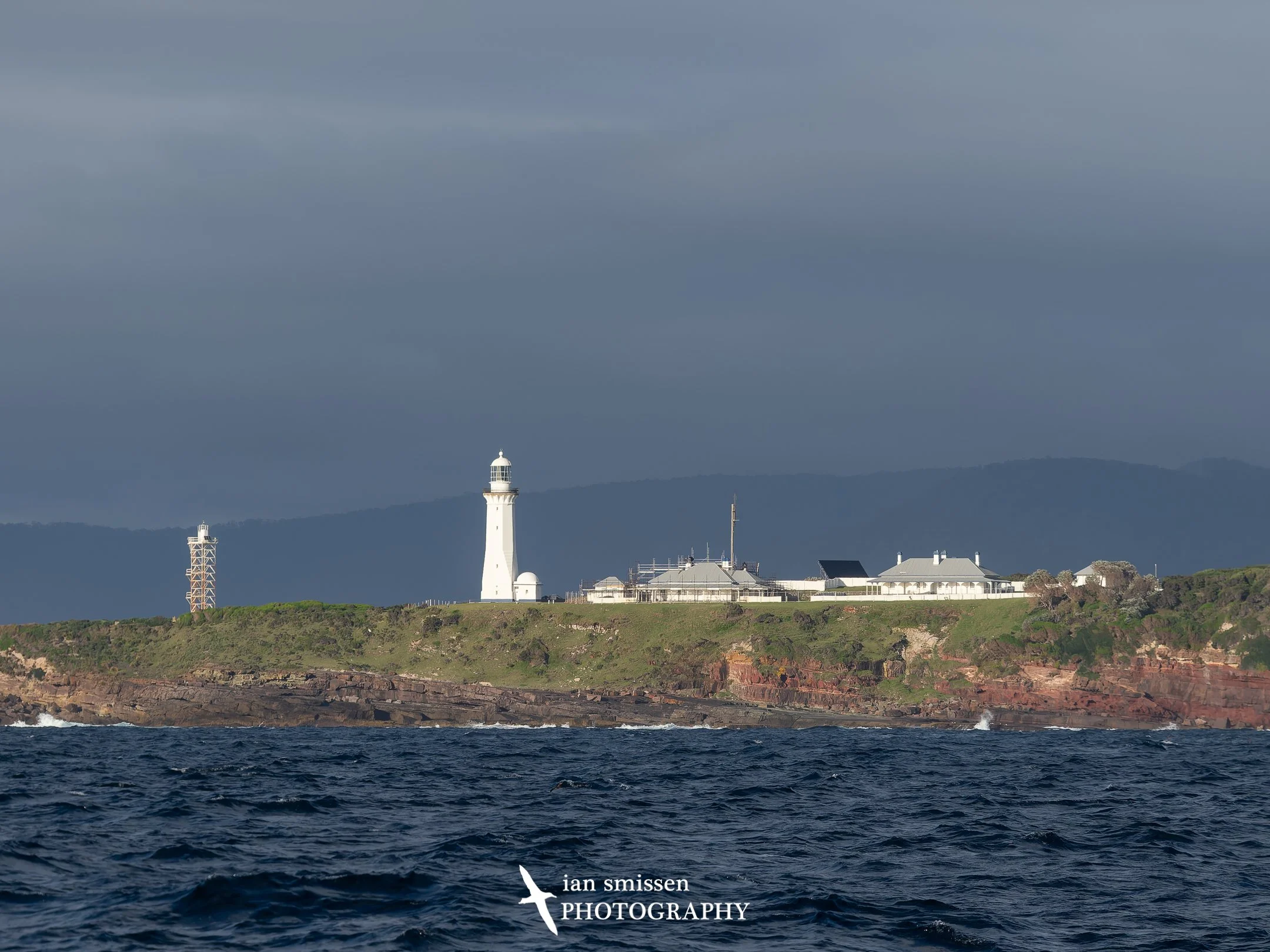
We passed Green Cape, close enough to clearly see the maintenance work on the cottages.

Green Cape Lighthouse, Beowa National Park, NSW

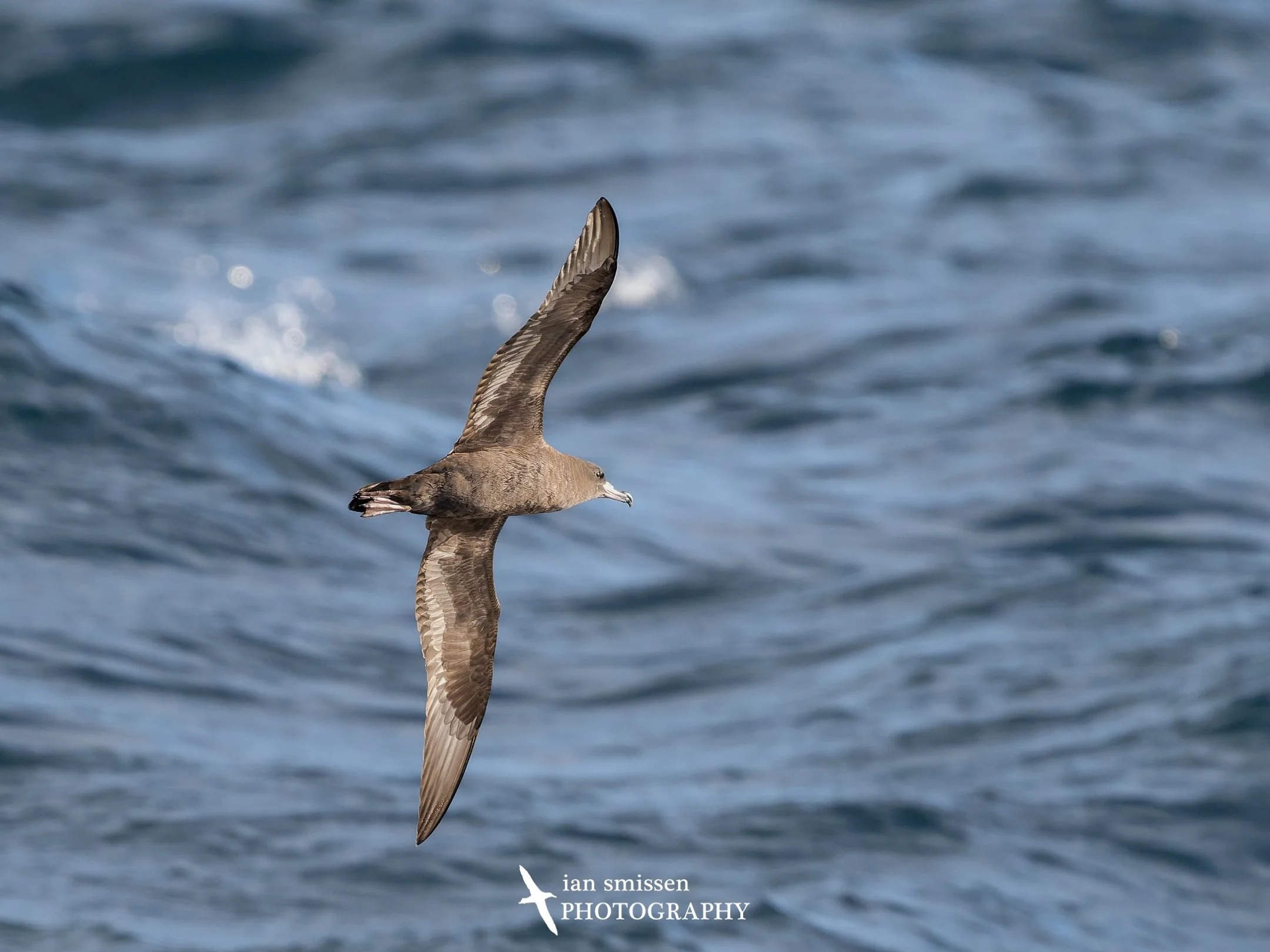
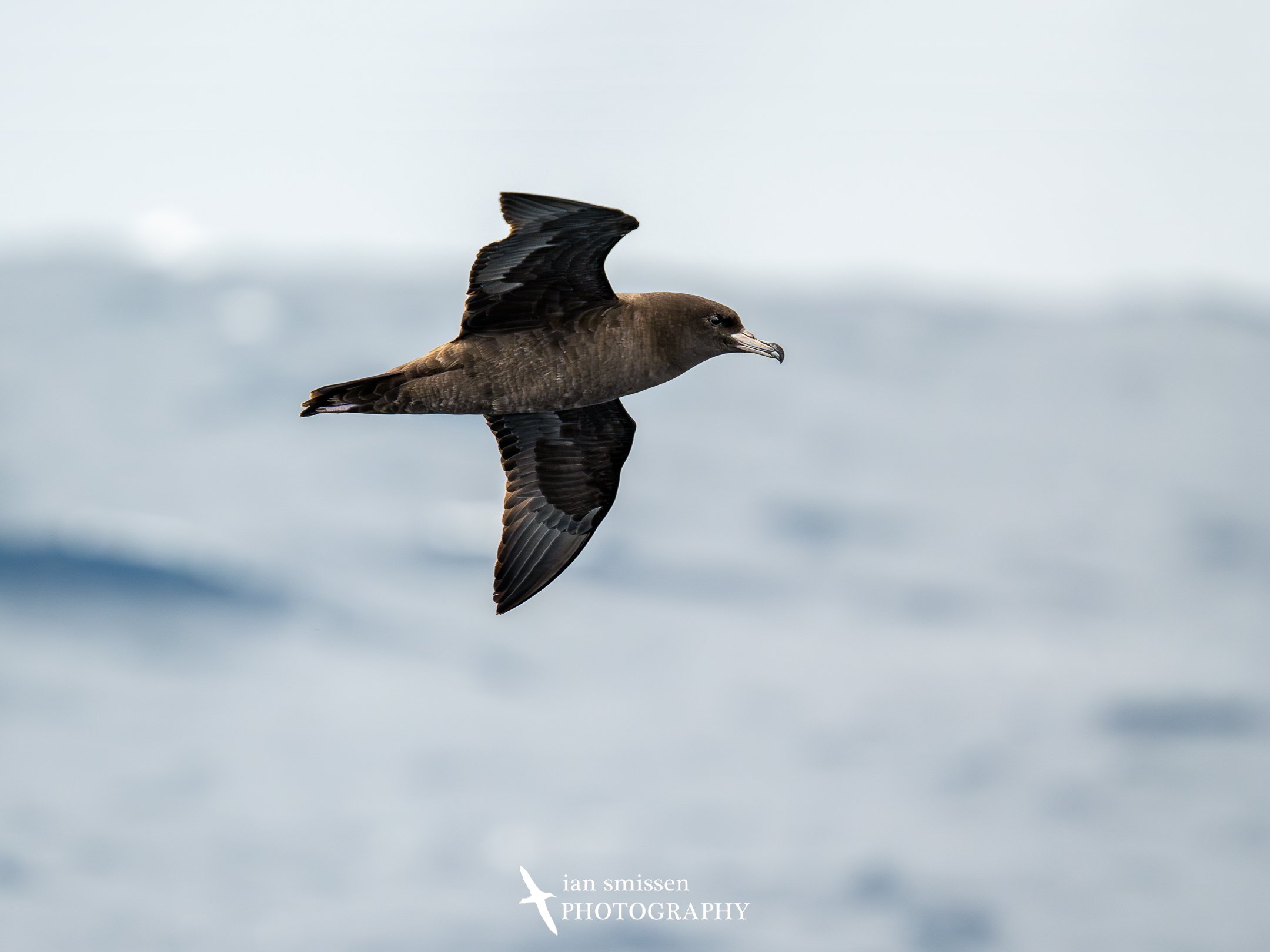
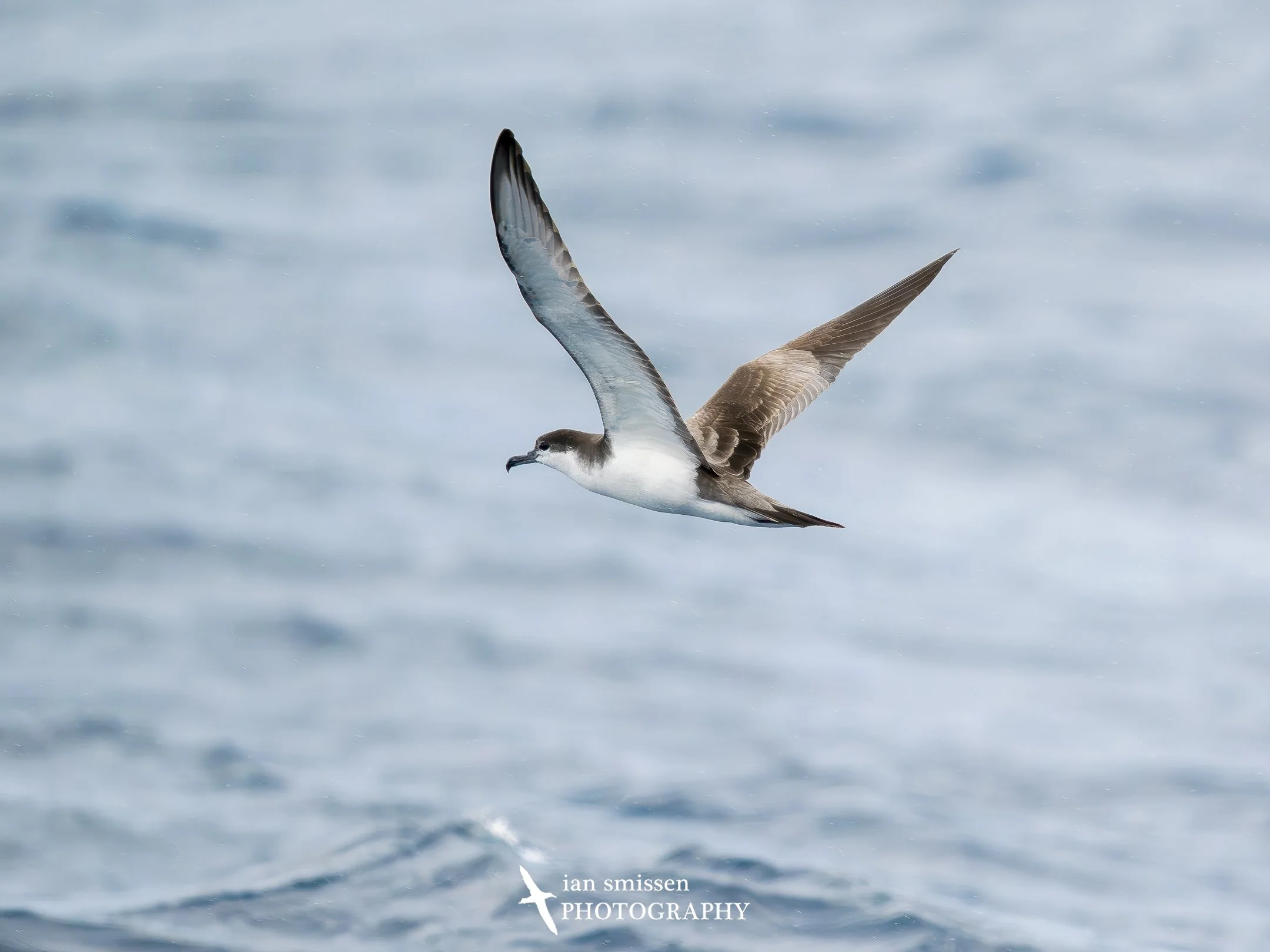
By then our first shearwaters made an appearance - mostly Flesh-footed but an occasional Wedgetailed (of which I didn’t manage to get any reasonable photographs)

Flesh-footed Shearwater, off Green Cape, NSW

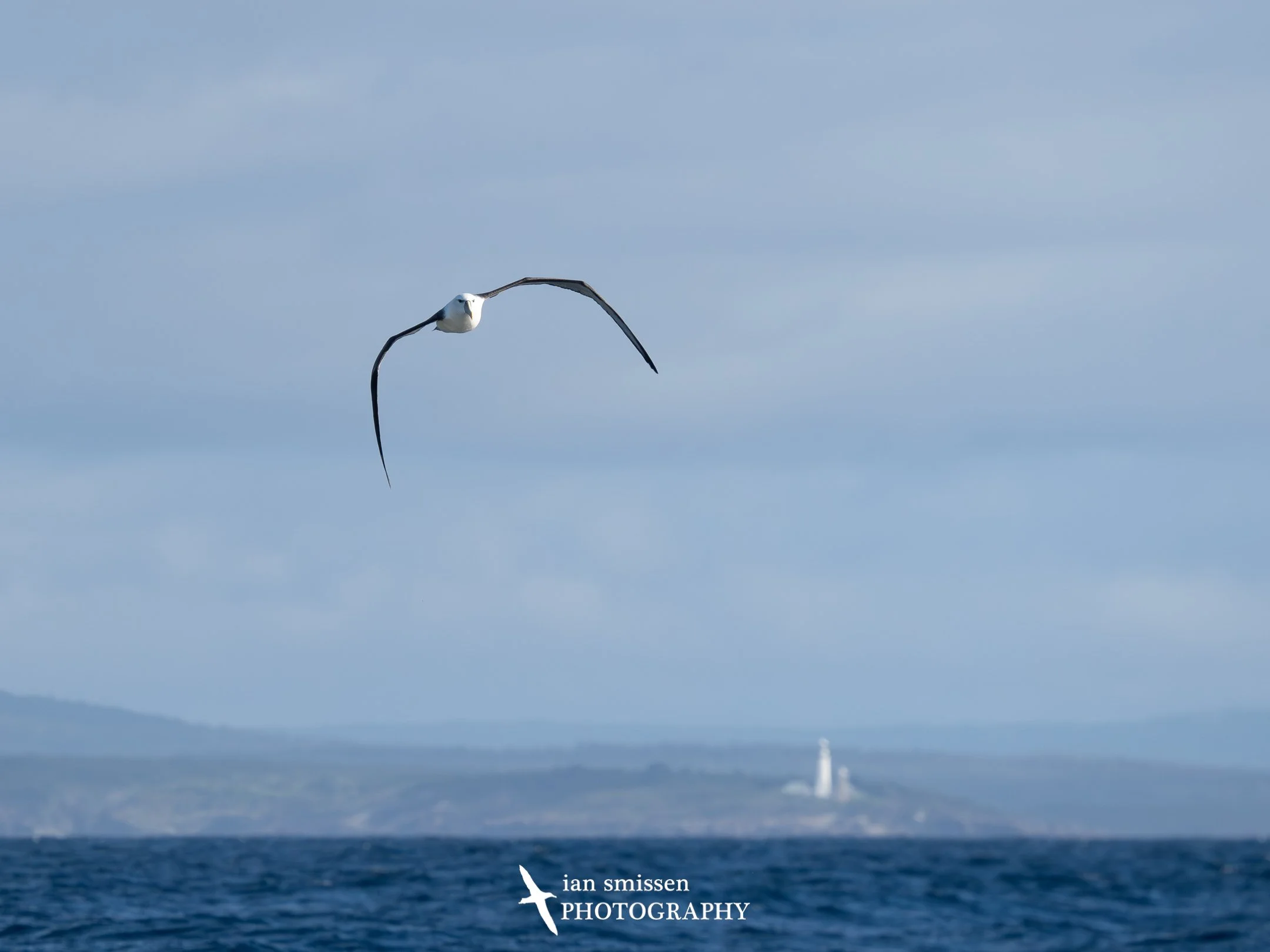
and our first albatross followed a few minutes later.

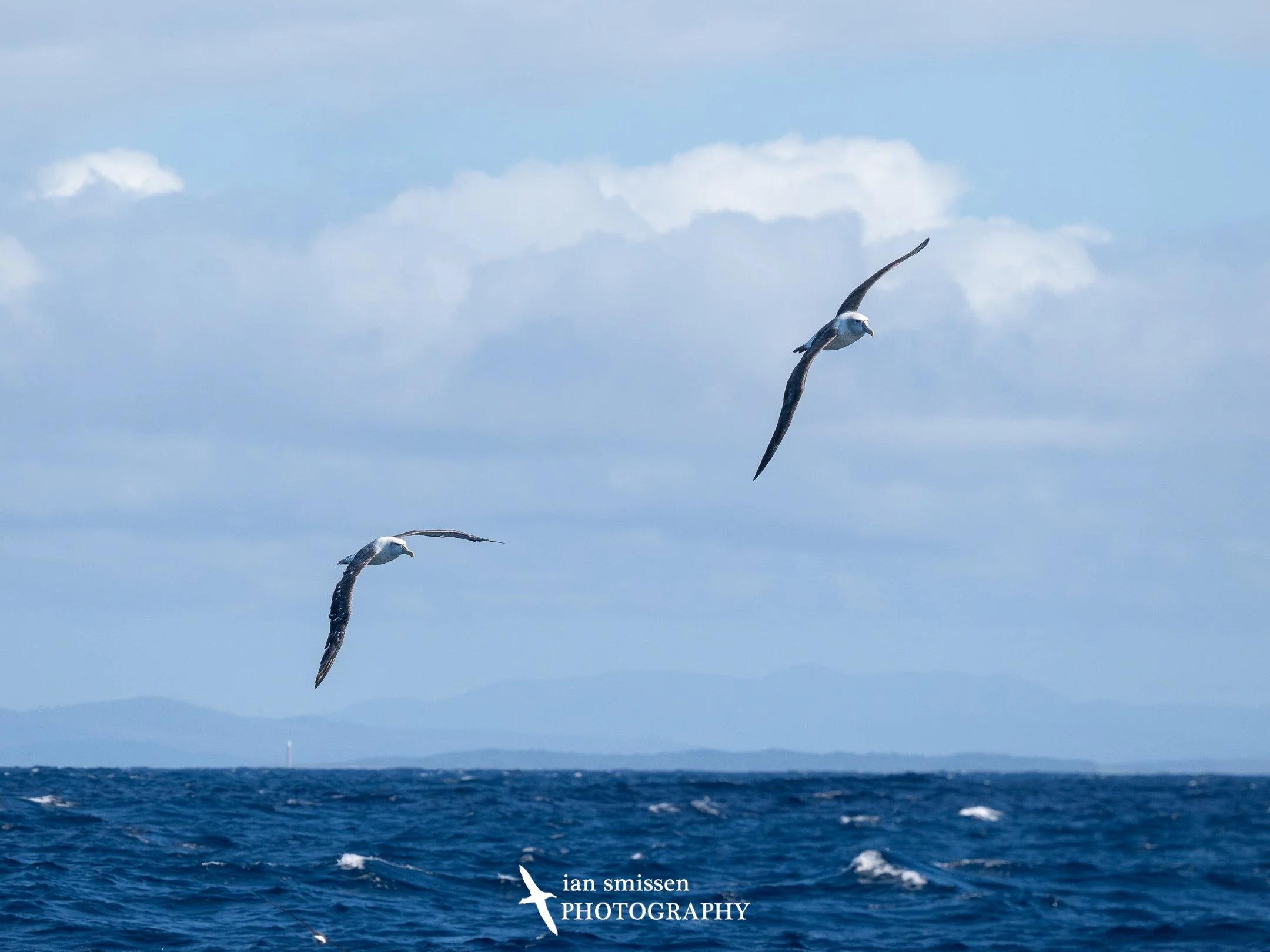
Shy Albatross with Green Cape Lighthouse in background, NSW

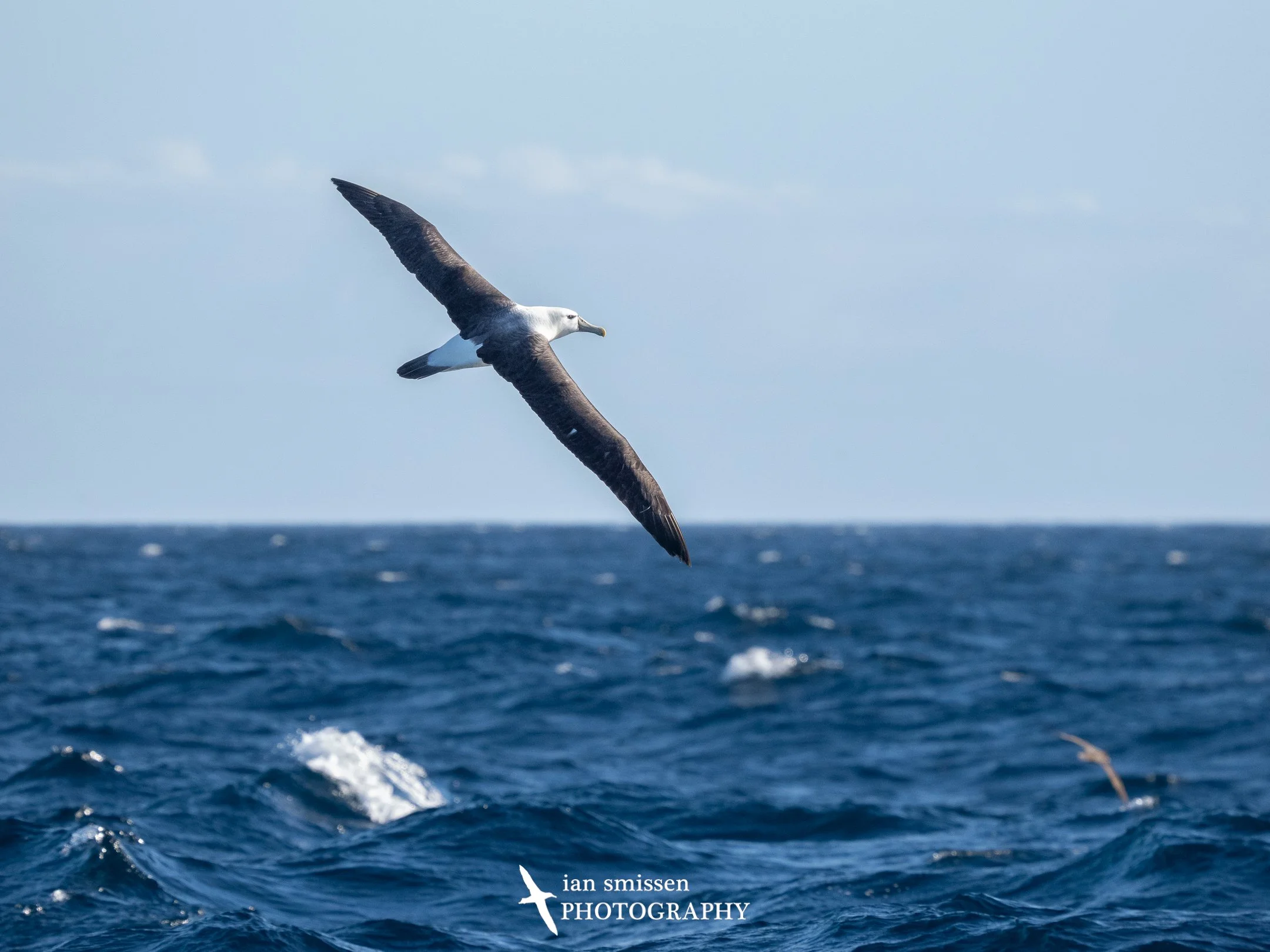
These were to be the most common species all day.

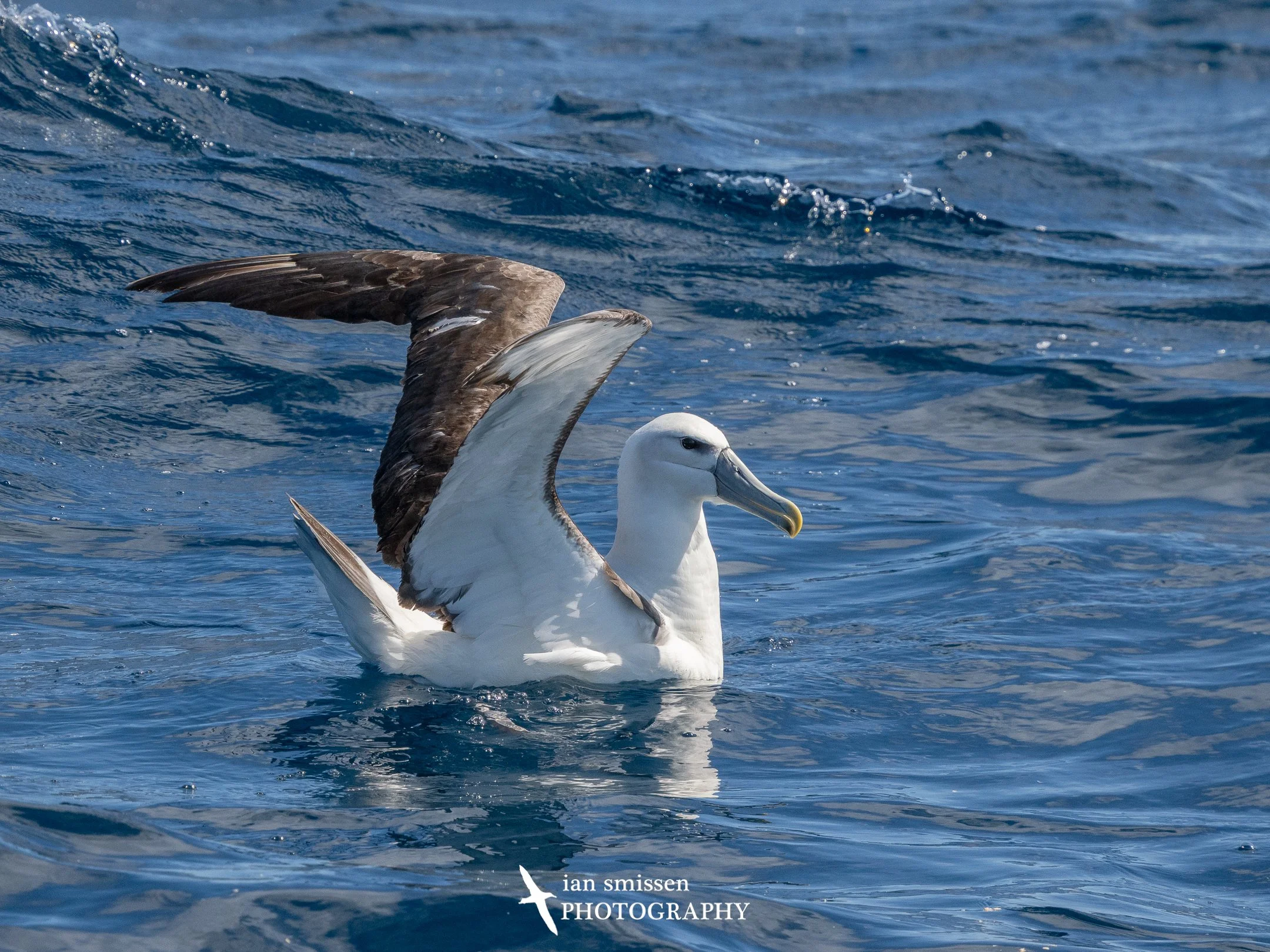
Shy Albatross, off Green Cape, NSW

By the time we reached Victorian waters, little had changed with Flesh-footed Shearwaters and Shy Albatross making up the majority of birds around the boat.

Flesh-footed Shearwater, off Cape Howe, Victoria

Shy Albatross with Gabo Island Lighthouse in background, Victoria

As we began to burley, many birds settled on the surface to feed

Shy Albatross

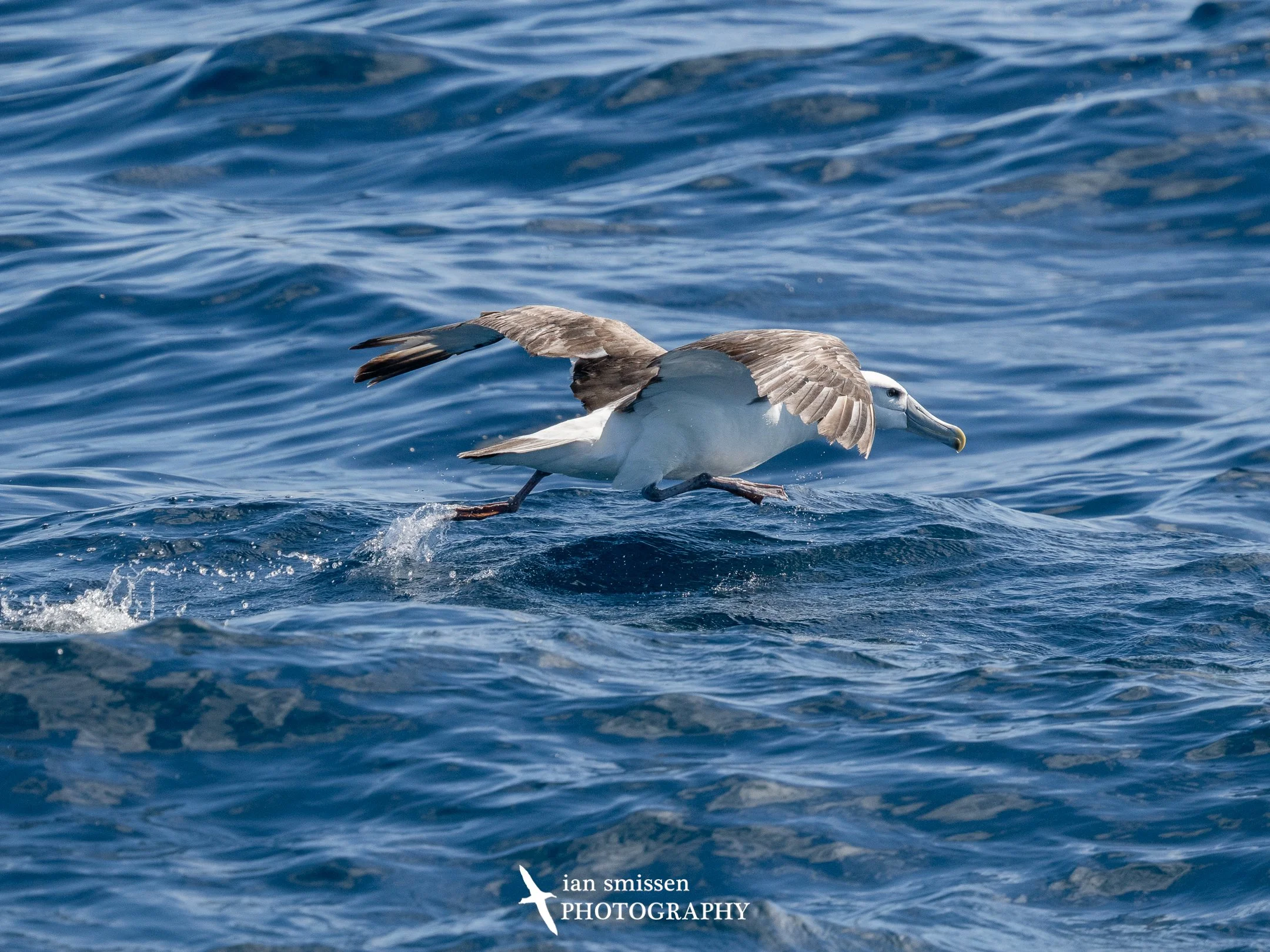
It’s always fun watching albatross take off, running along the water surface to get sufficient air under their wings to lift off.

Shy Albatross

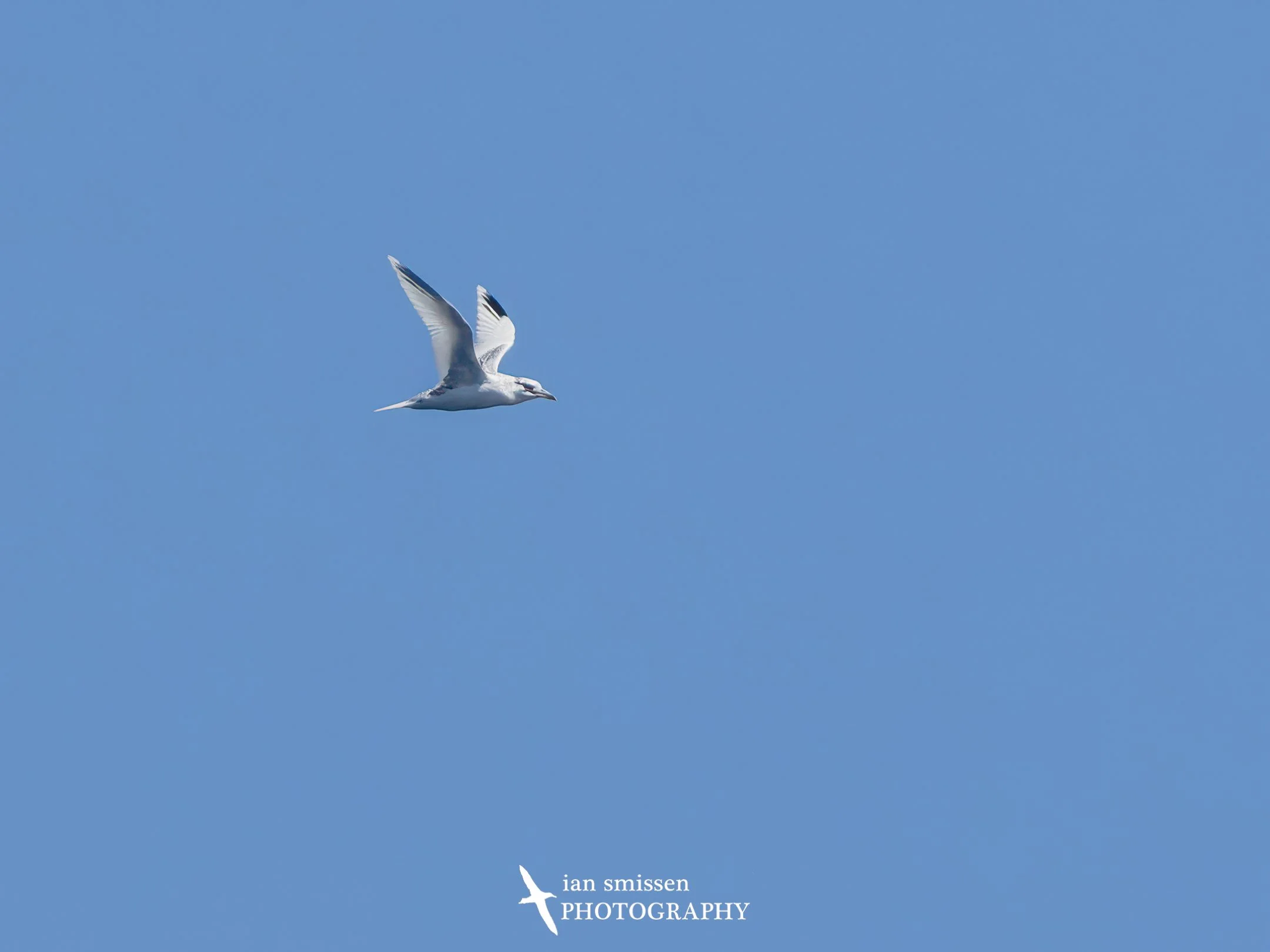
We did get a couple of rare tropical vagrants appear. Unfortunately I missed the first one - a Tahiti Petrel (I was on the wrong side of the boat - the only downside of being out on a large boat) - but did spot the immature White-tailed Tropicbird, albeit at some distance.

White-tailed Tropicbird (immature)
Image heavily cropped

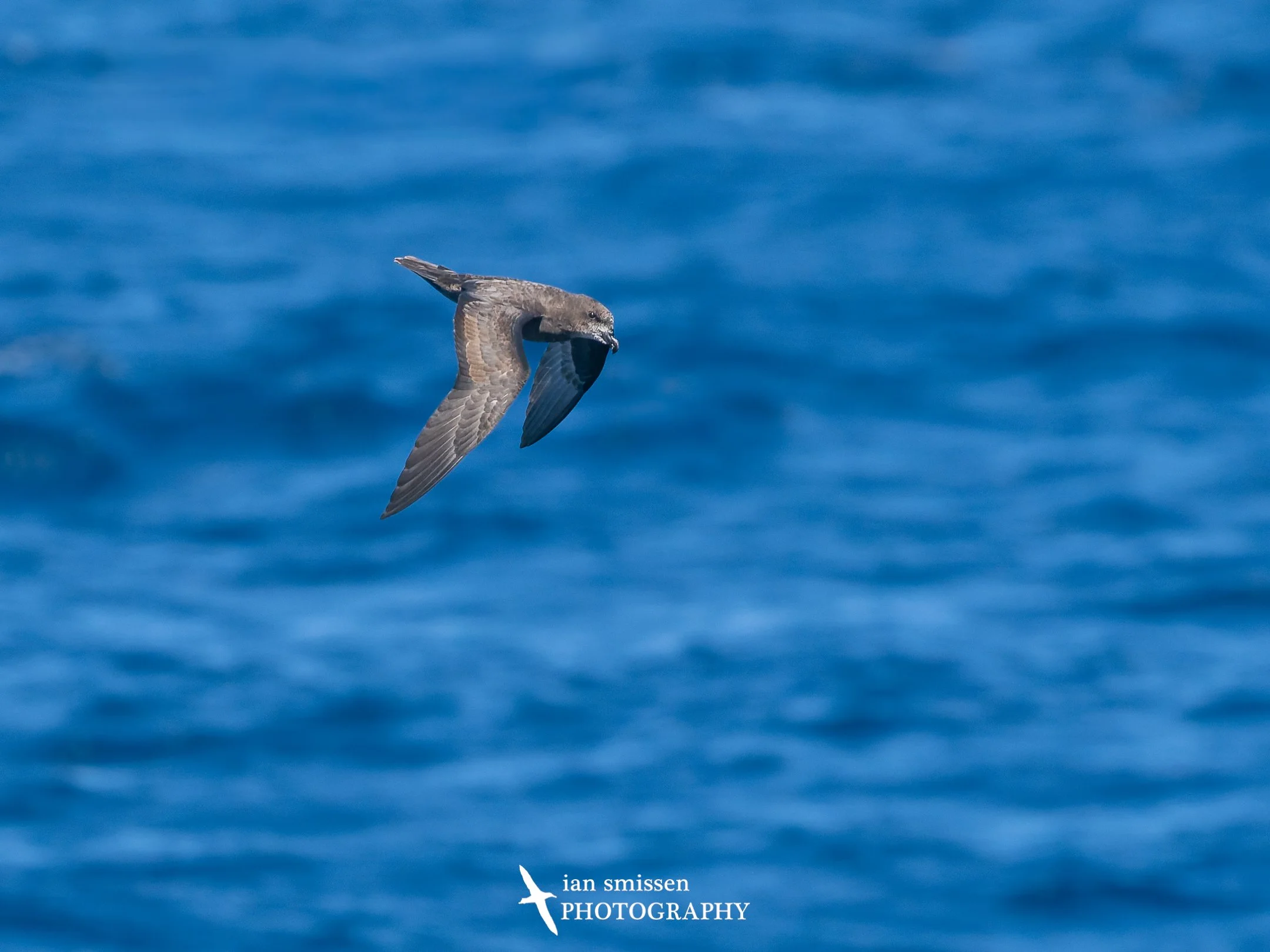
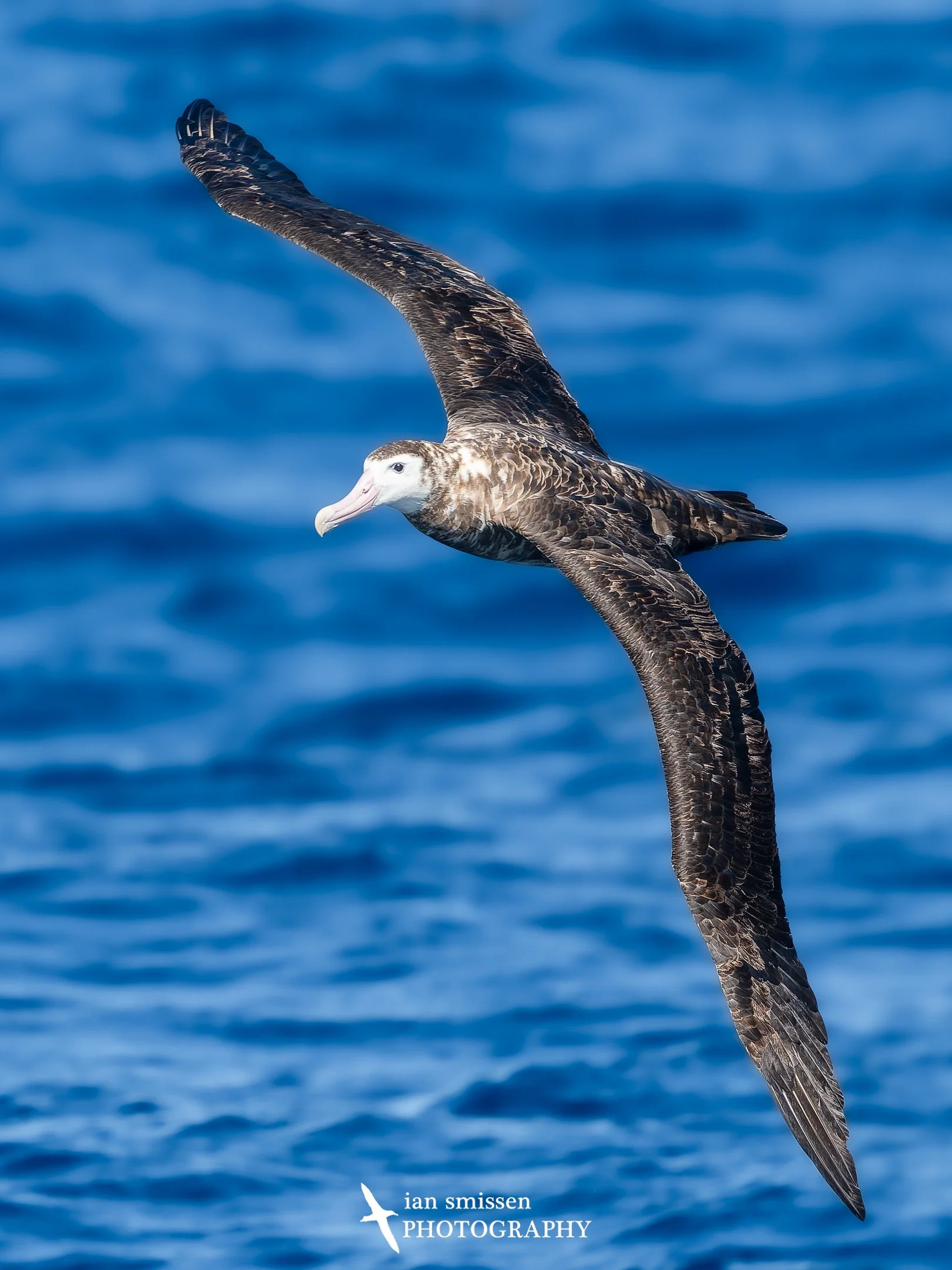
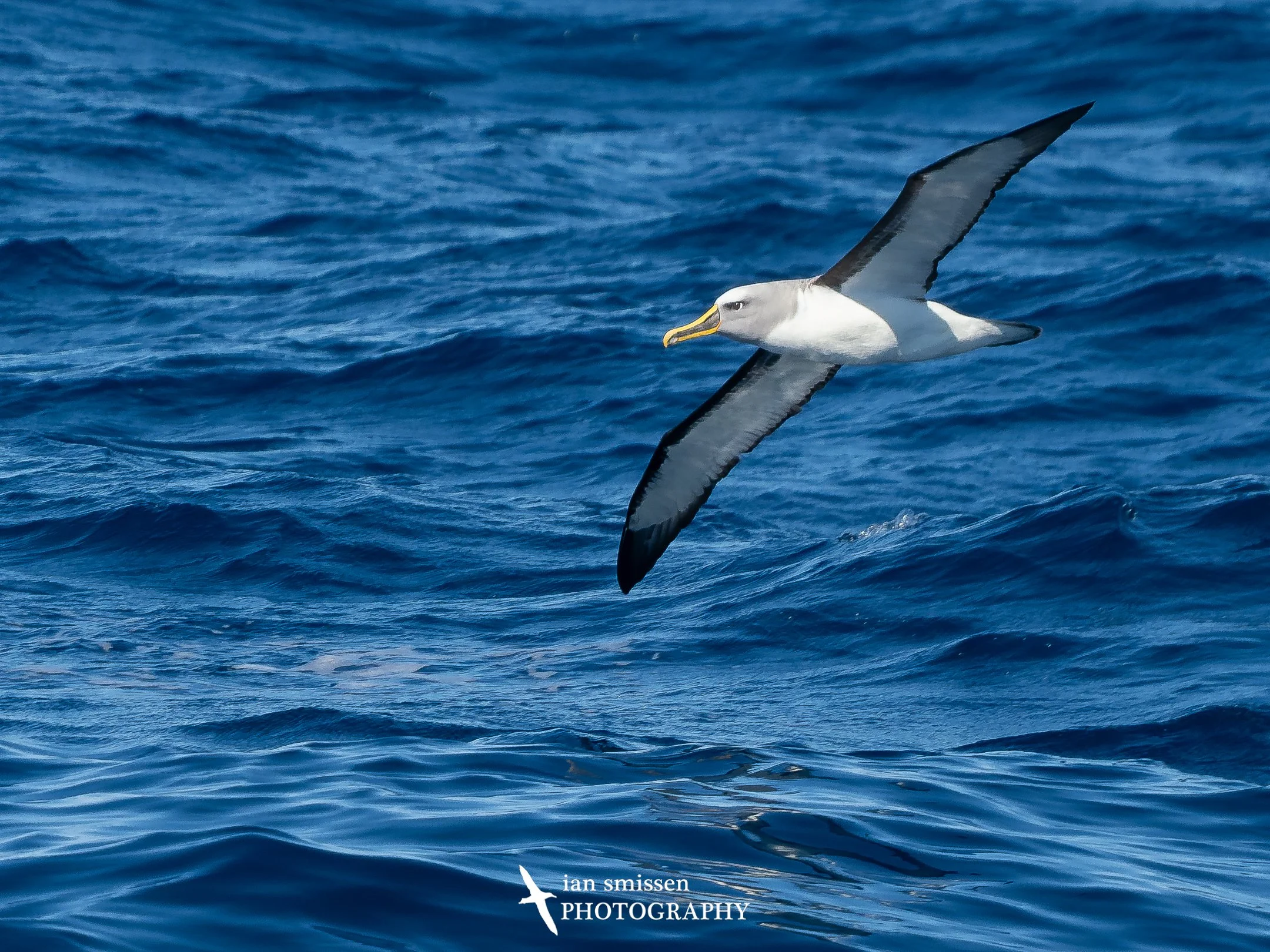
Just before we turned for the return trip, three other species appeared.

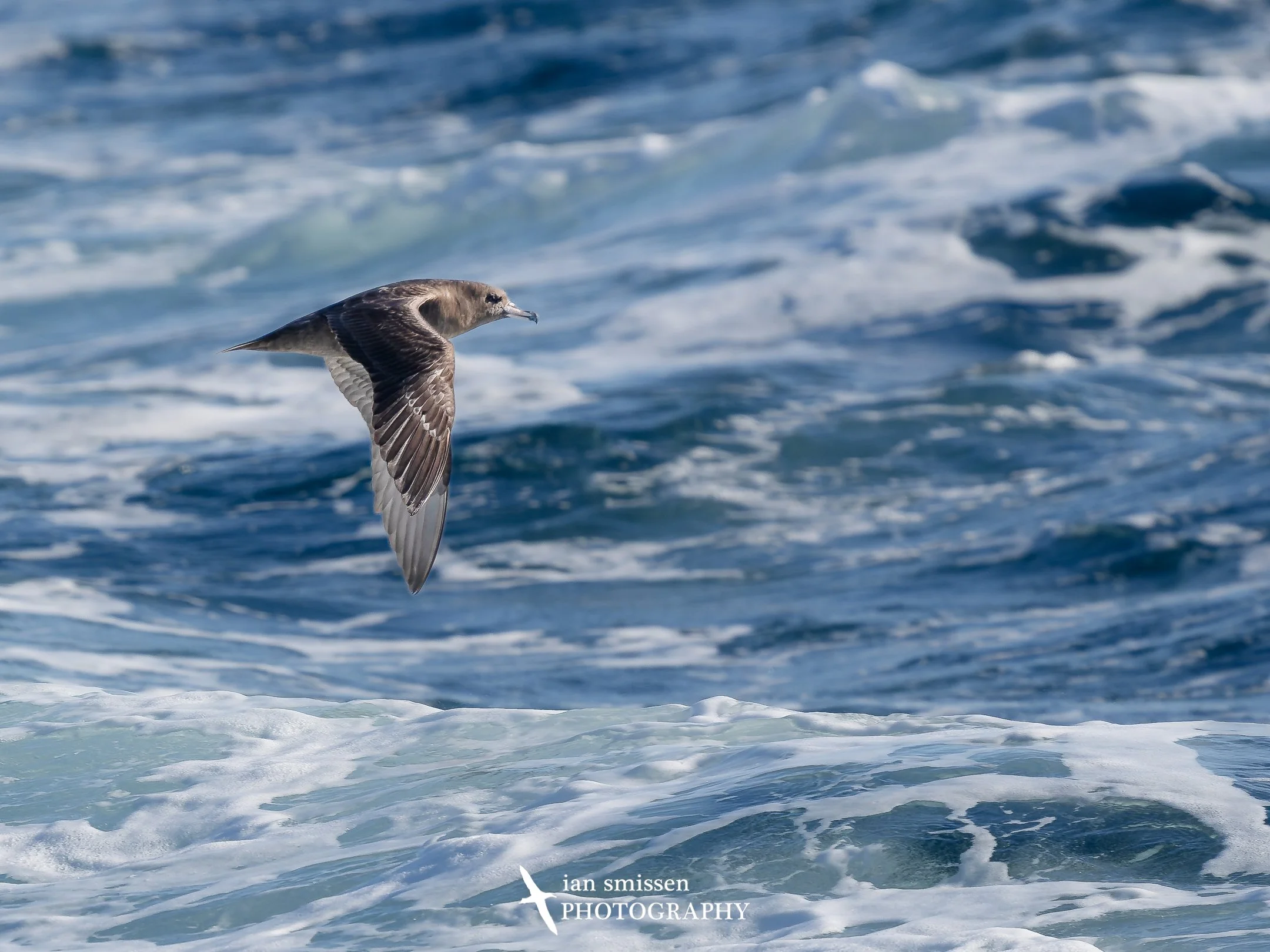
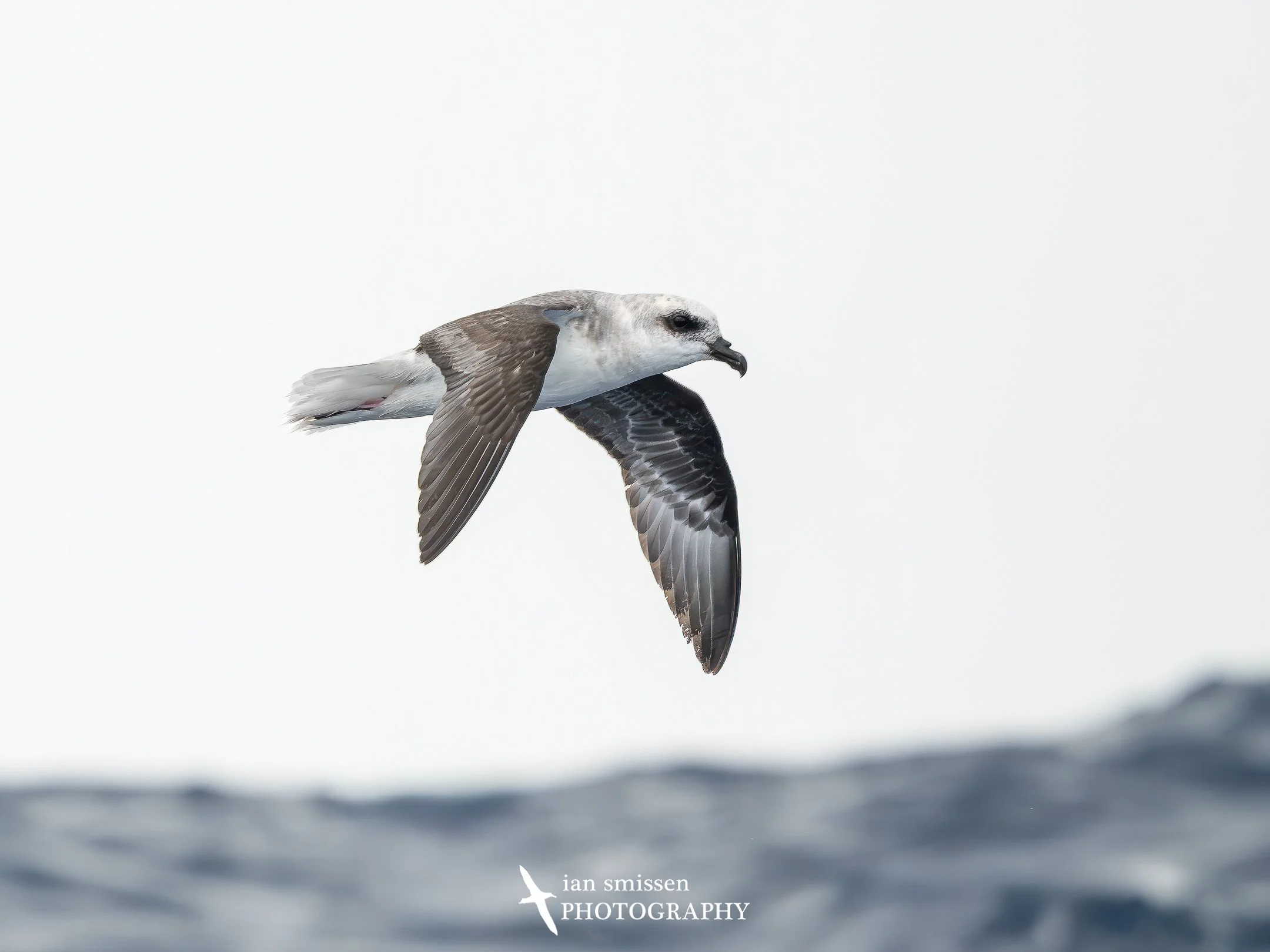
Grey-faced (Great-winged) Petrel

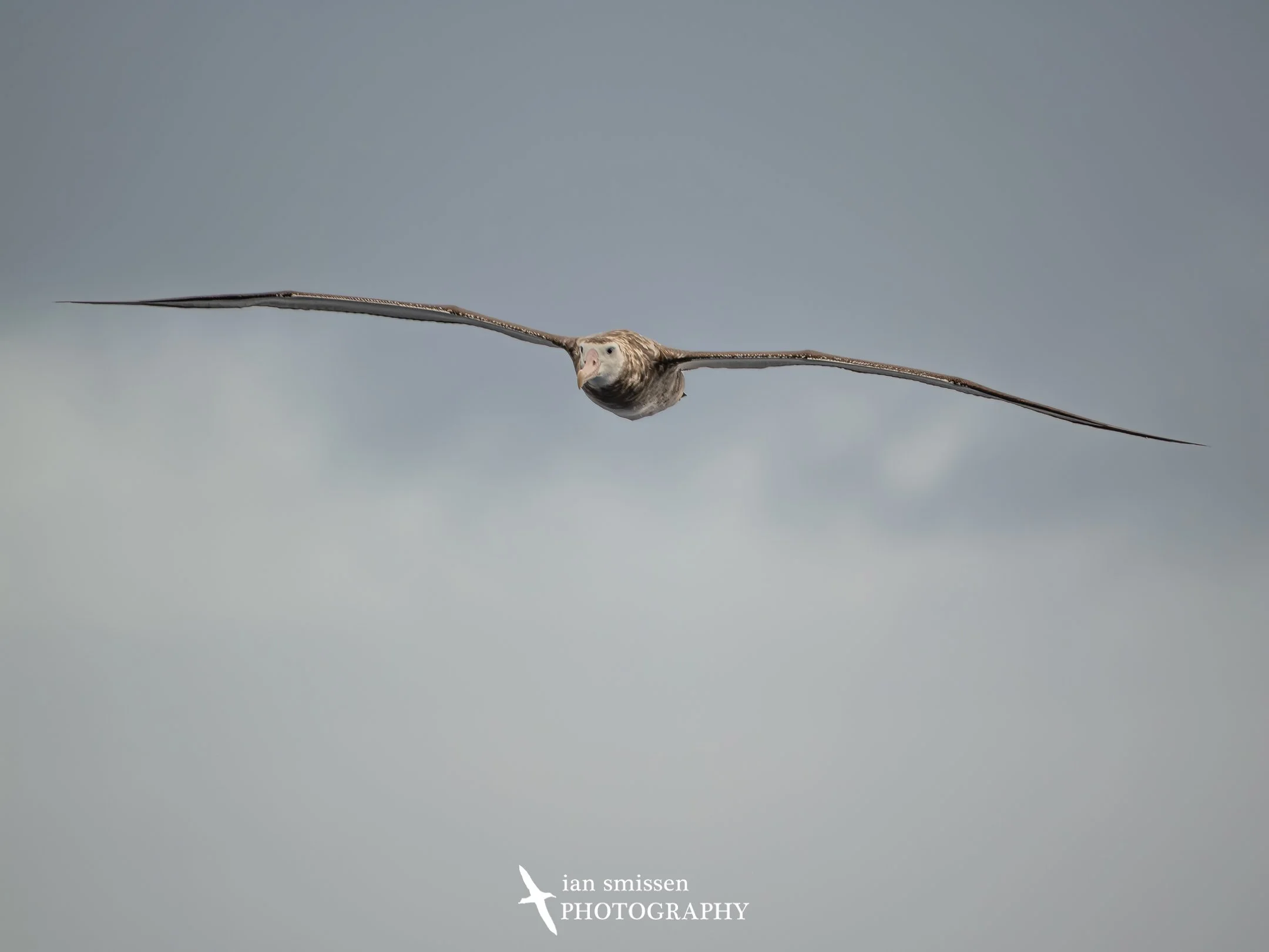
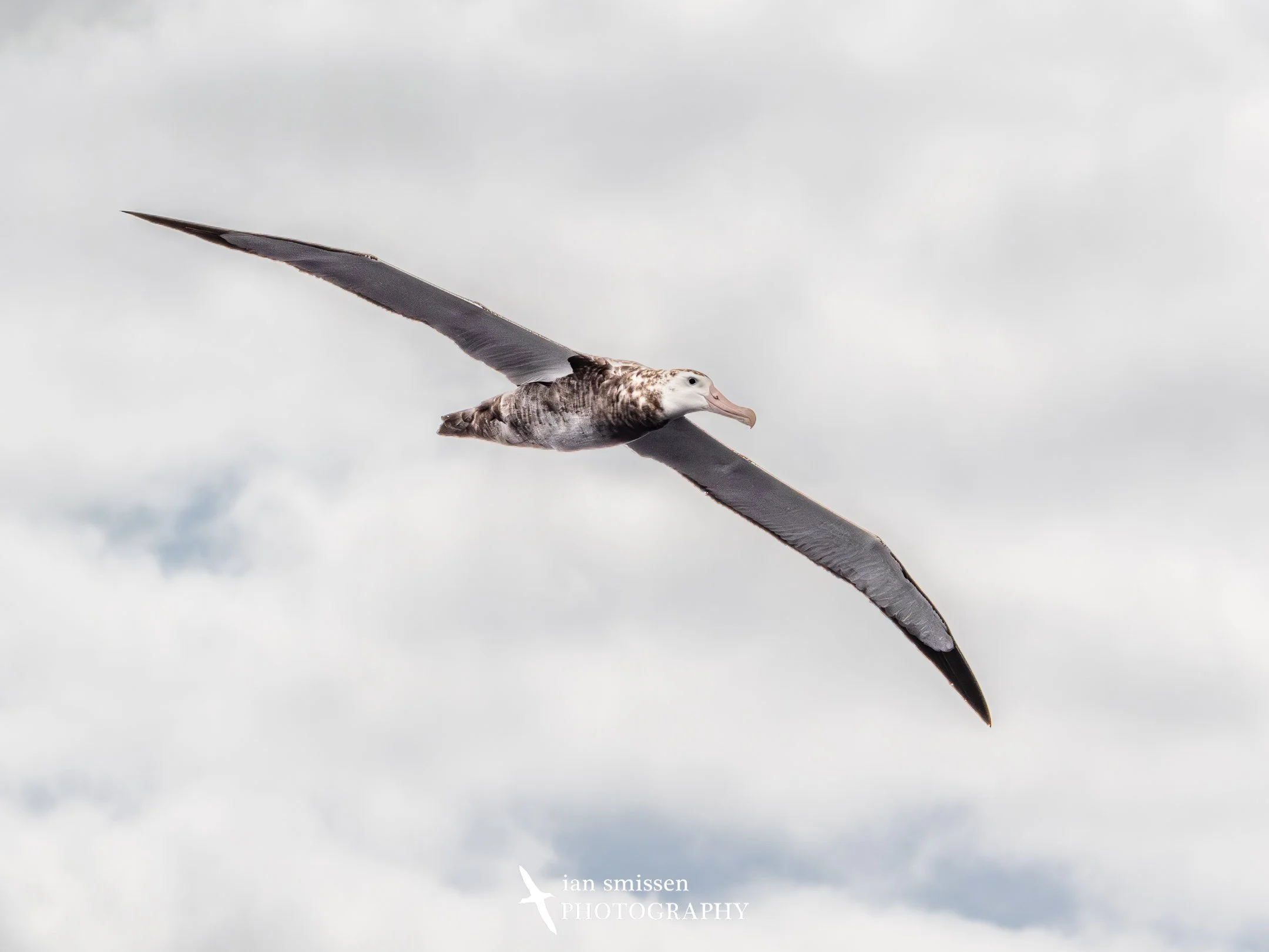
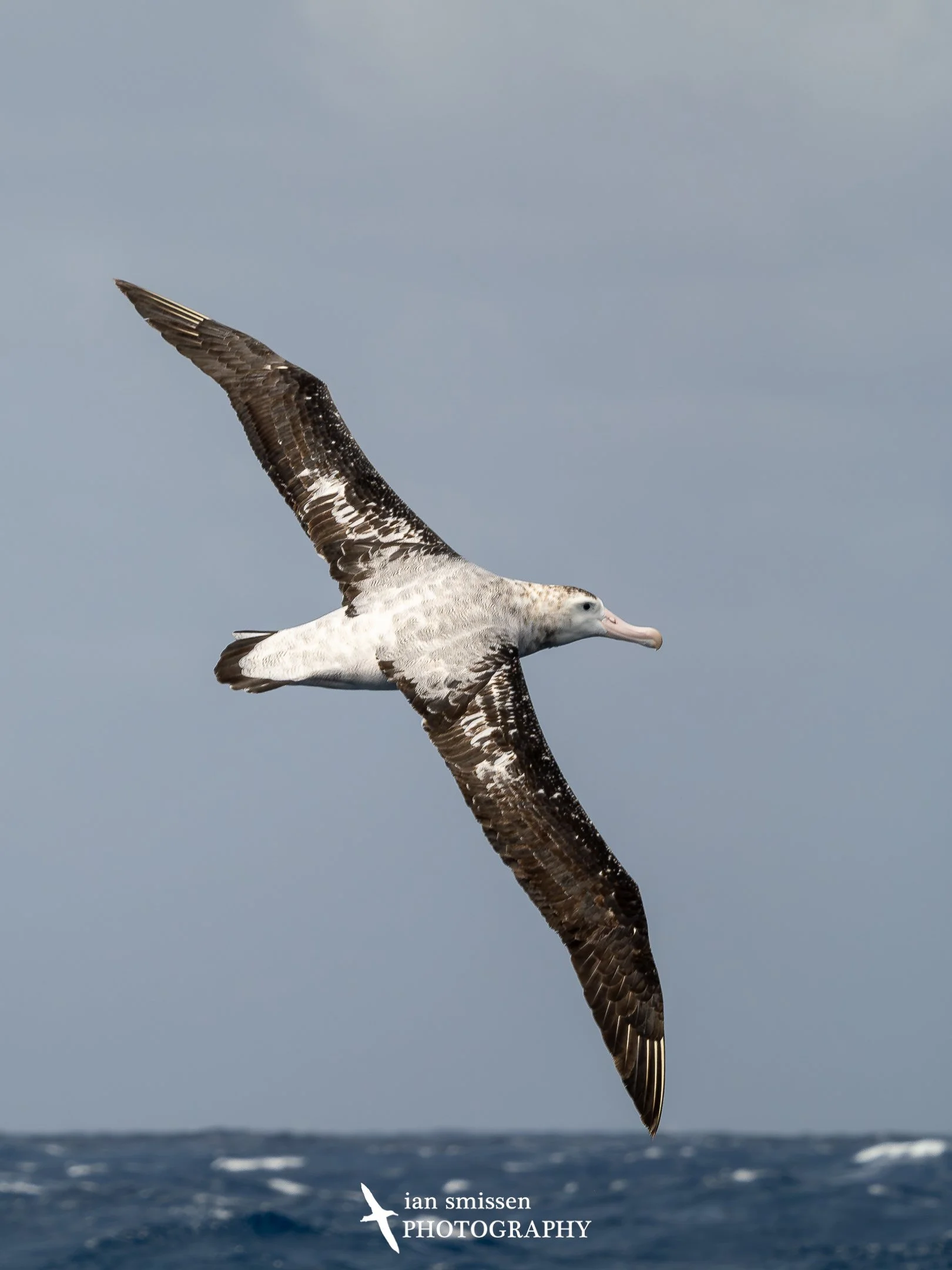
Gibsons (New Zealand Wandering) Albatross (immature)

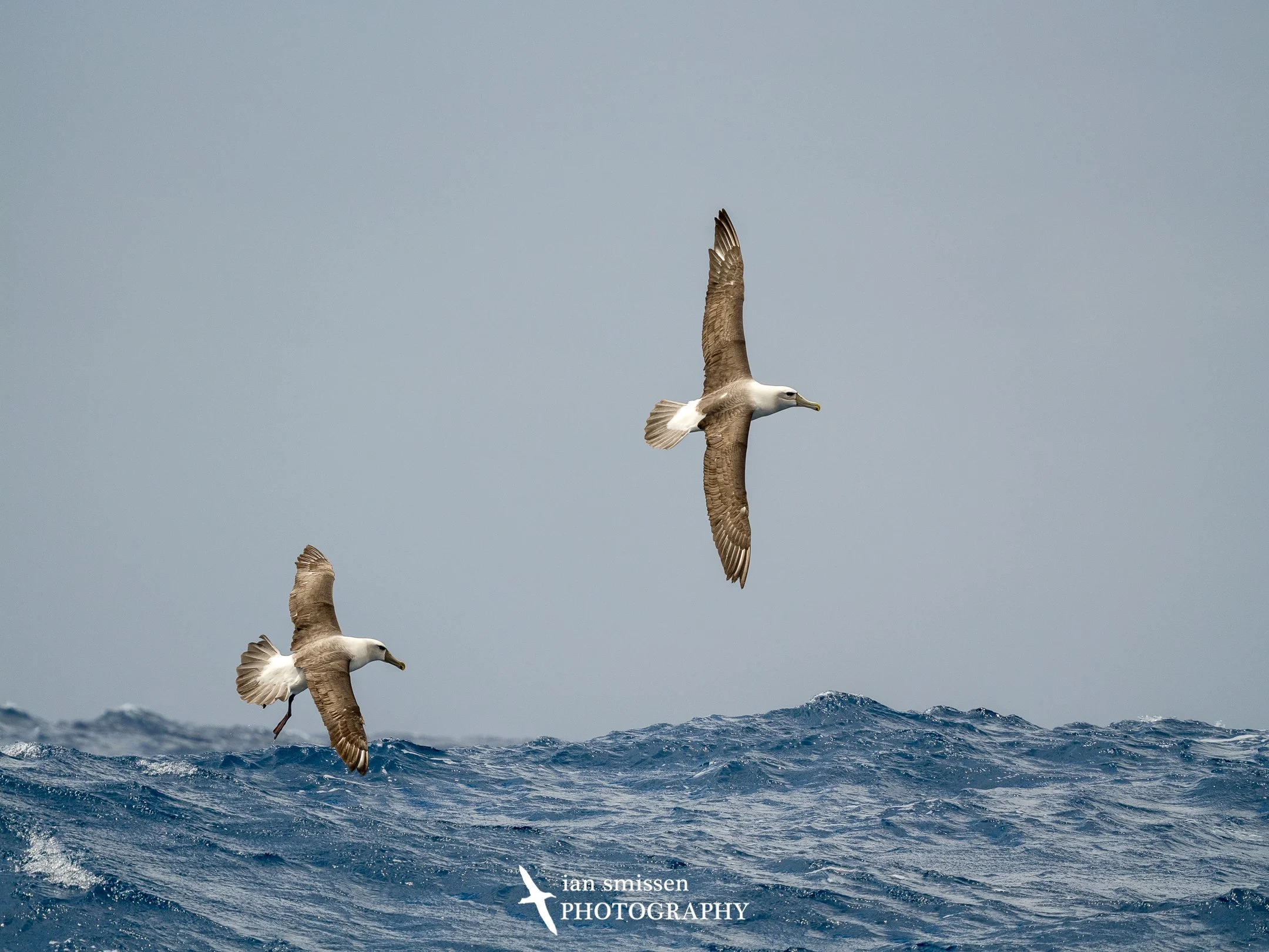
Bullers Albatross

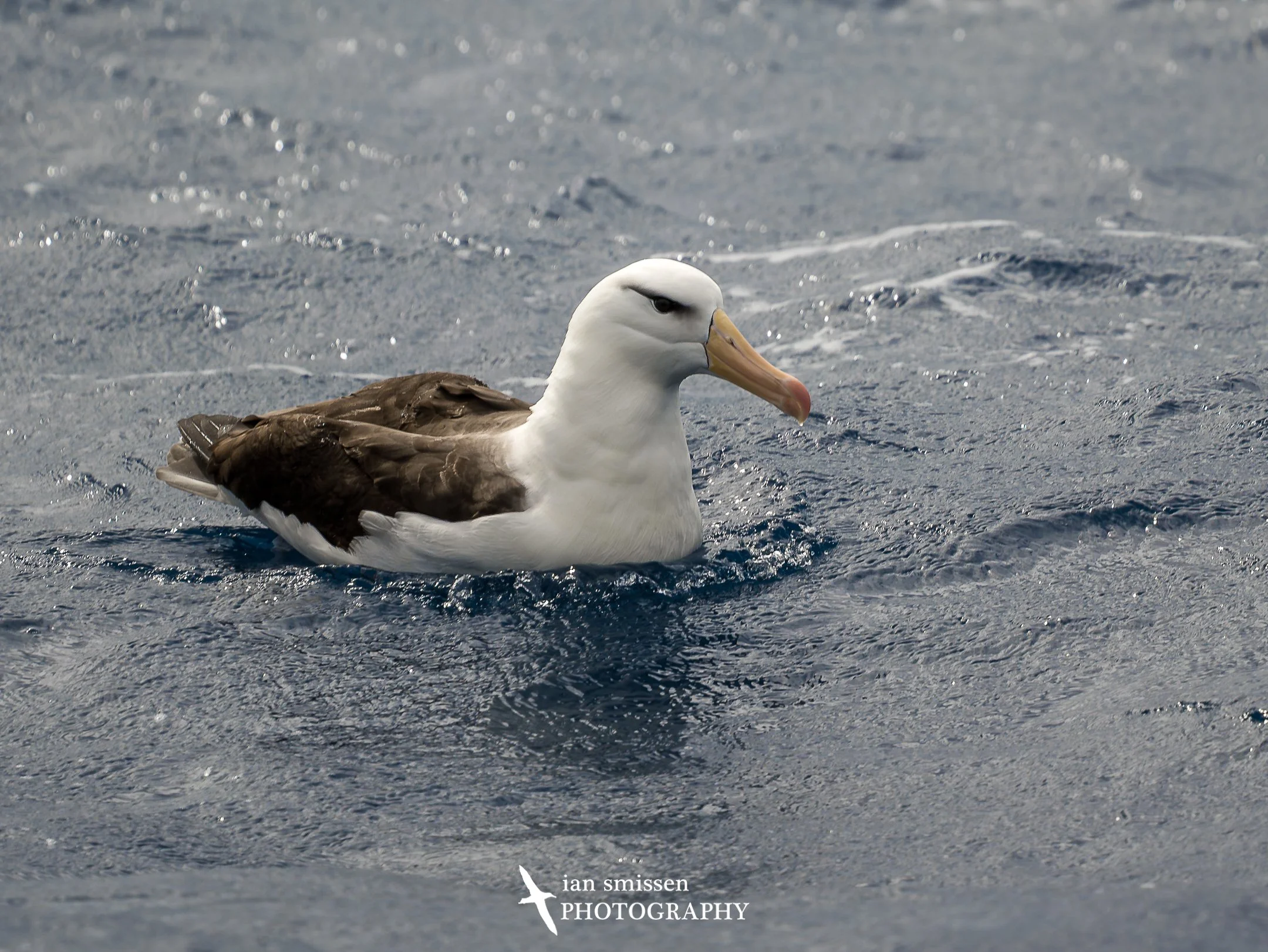
So, while low in species diversity, it’s always a good day when you get four species of albatross (there was also an immature Black-browed Albatross, of which I didn’t get any half reasonable photographs) and I got a lifer (tropicbird) as a bonus.

Thanks to Neil (Birdswing Birding & Wildlife Tours) and Simon and crew of “Bubbles” (Sapphire Coastal Adventures) for a great day out on the water.

In search of the Yellow Wagtail

Friday 13 February

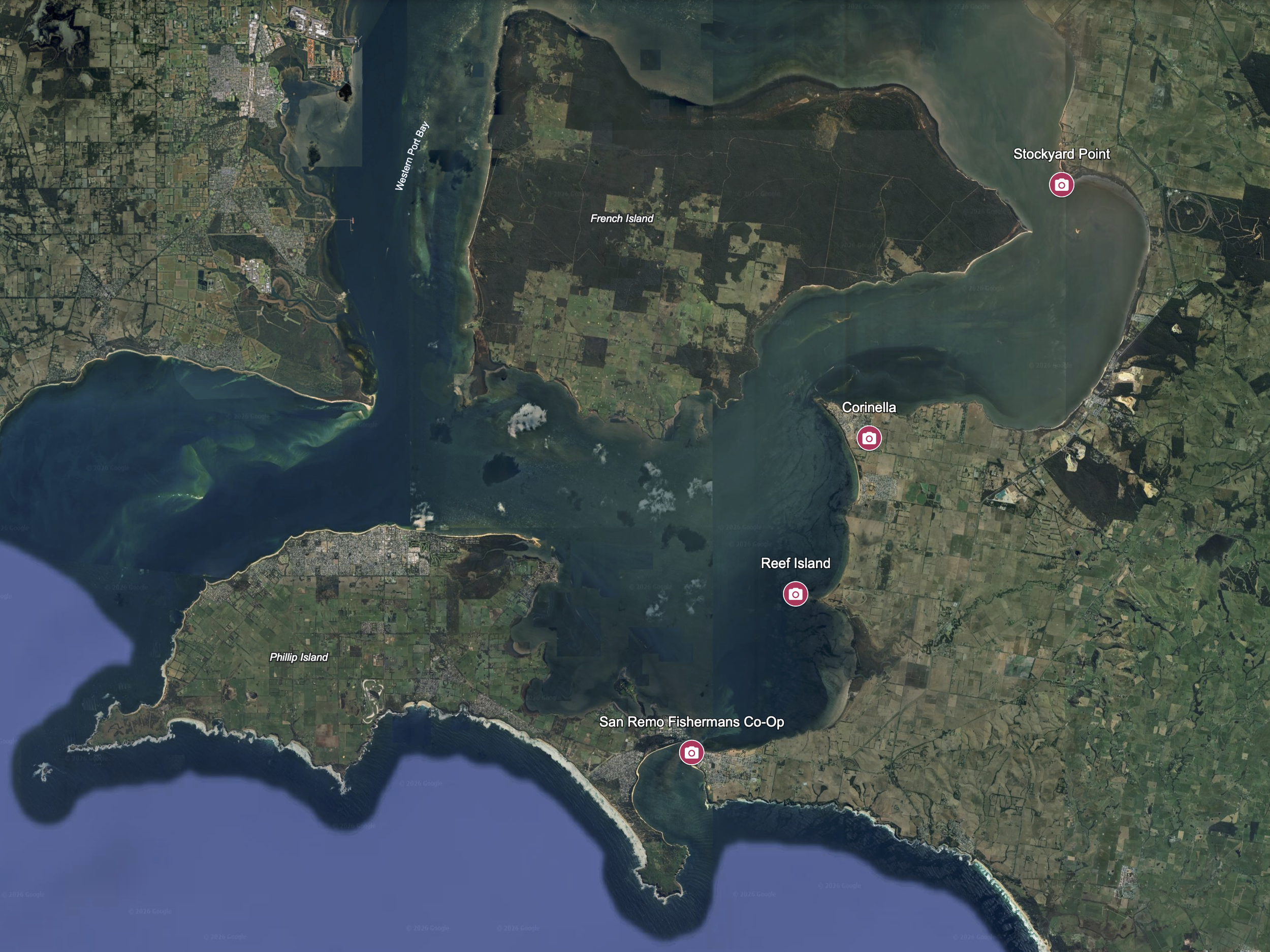
With the reports of Eastern Yellow Wagtail appearing at Reef Island on Westernport Bay, I decided to make a day trip to see if I could find it. I planned on some additional stops - Stockyard Point to see if I could find any rarer wading birds, Corinella because it’s a nice spot for a break and San Remo for lunch (fish and chips at the Co-Op has been a must for decades).

from Google Earth

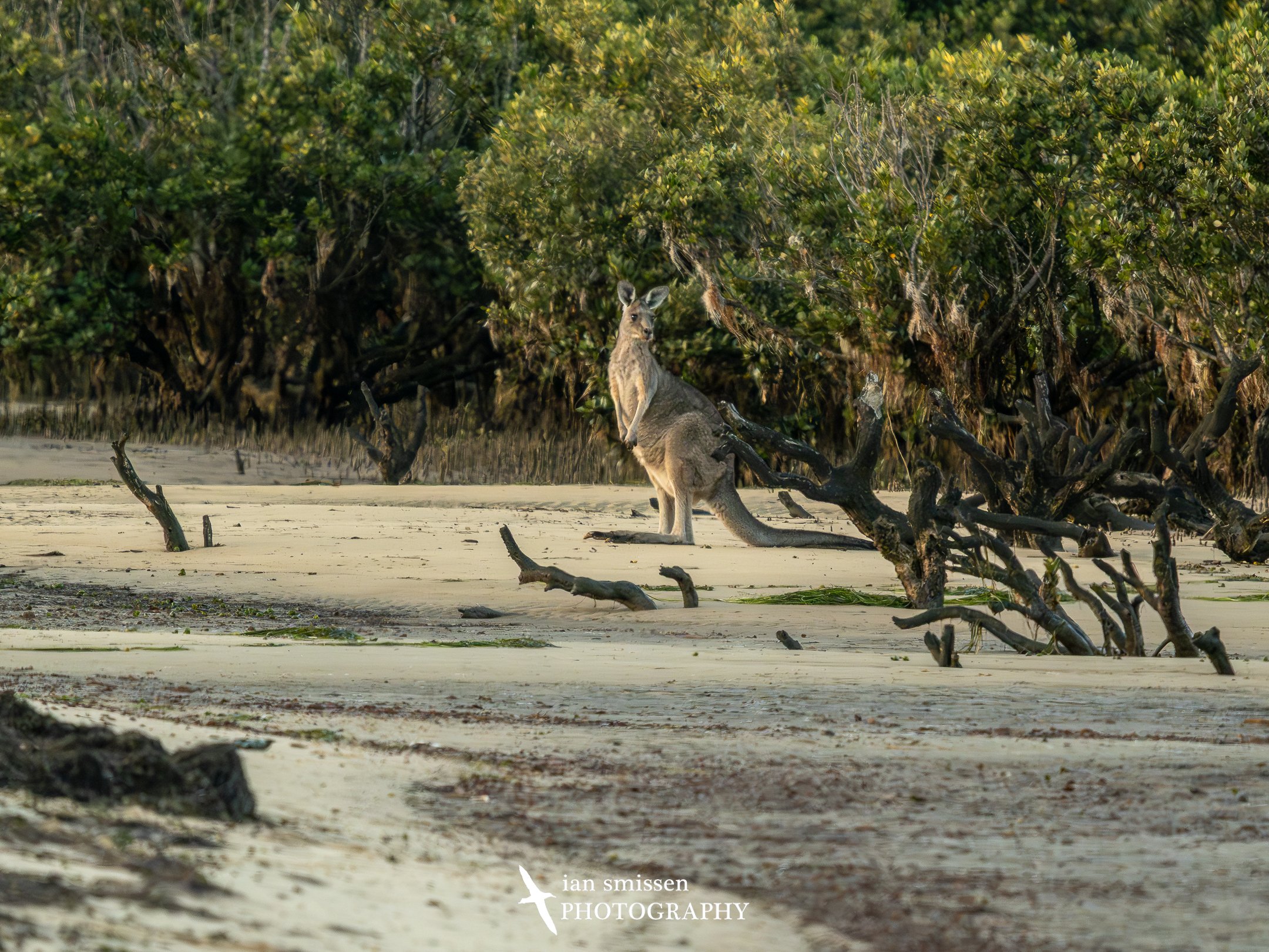
I departed home at ridiculous o’clock (4:15 AM) to avoid the Melbourne traffic and arrived at Stockyard Point just after sunrise. First find was this character among the mangroves.

Eastern Grey Kangaroo among the mangroves, Stockyard Point

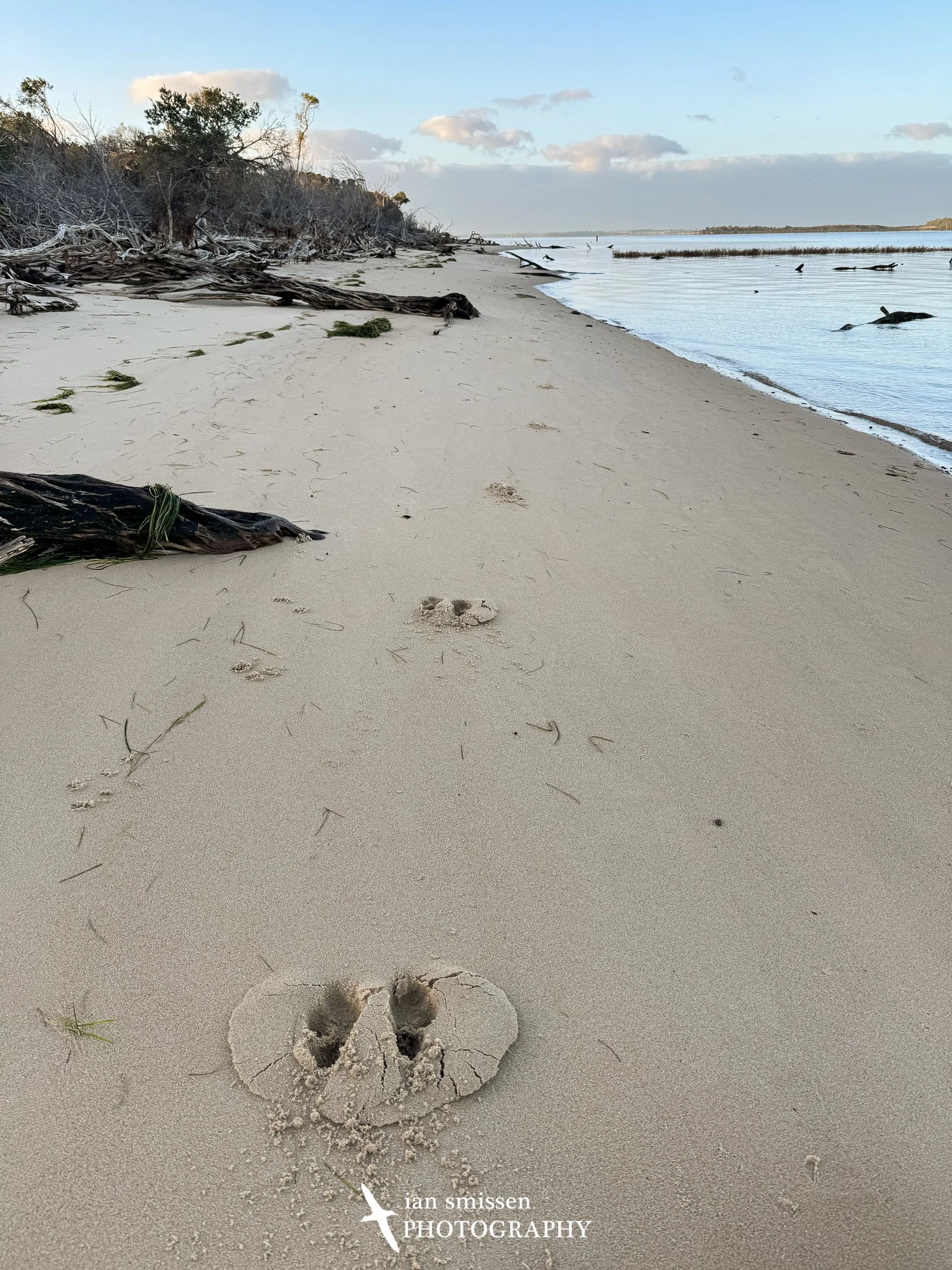
I was early enough on the incoming tide to make the walk along the beach relatively easy but I wasn’t the first one there.

Beach walk to Stockyard Point

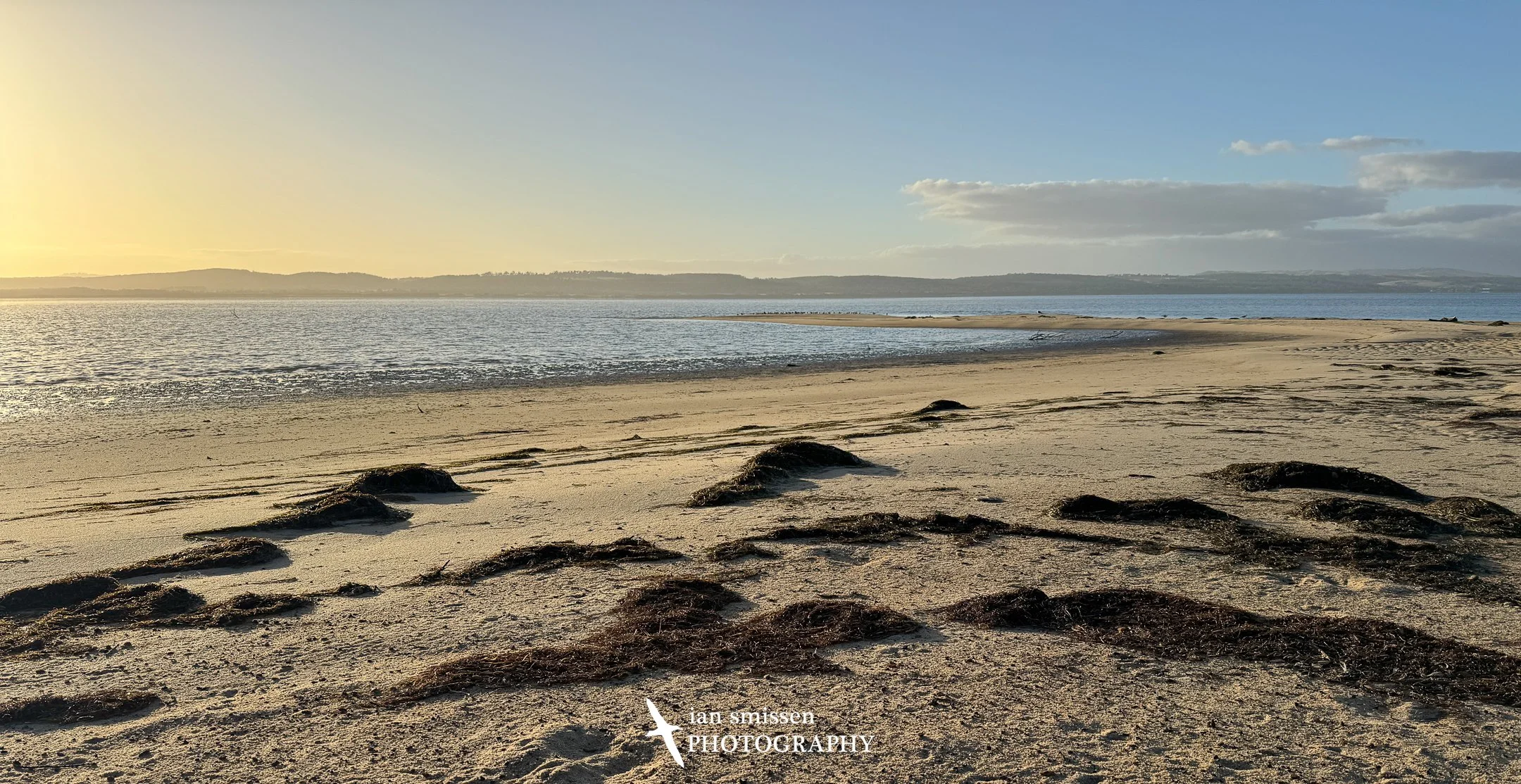
When I arrived at the point, there was still some of the spit exposed with a few birds roosting.

The spit at Stockyard Point

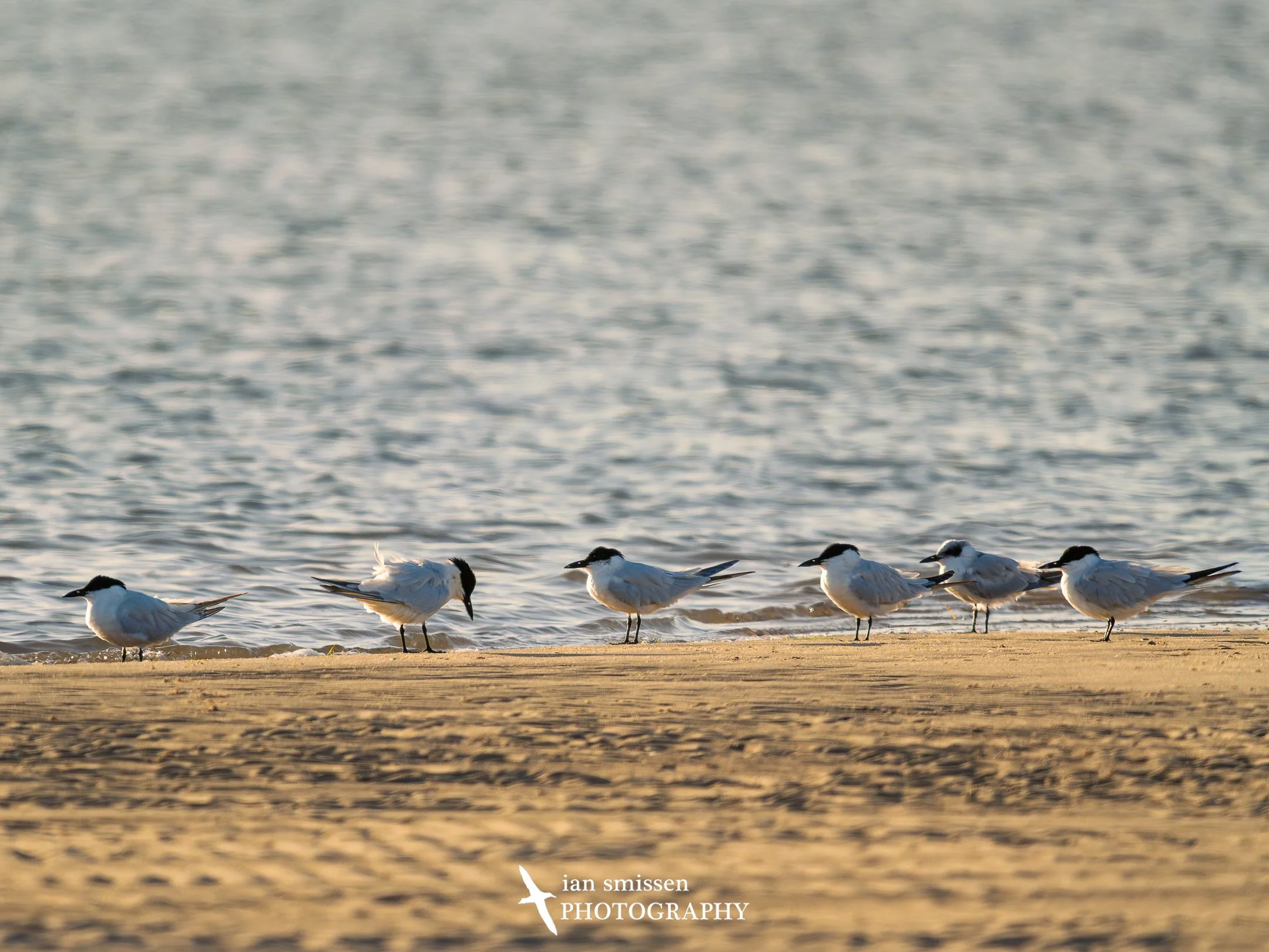
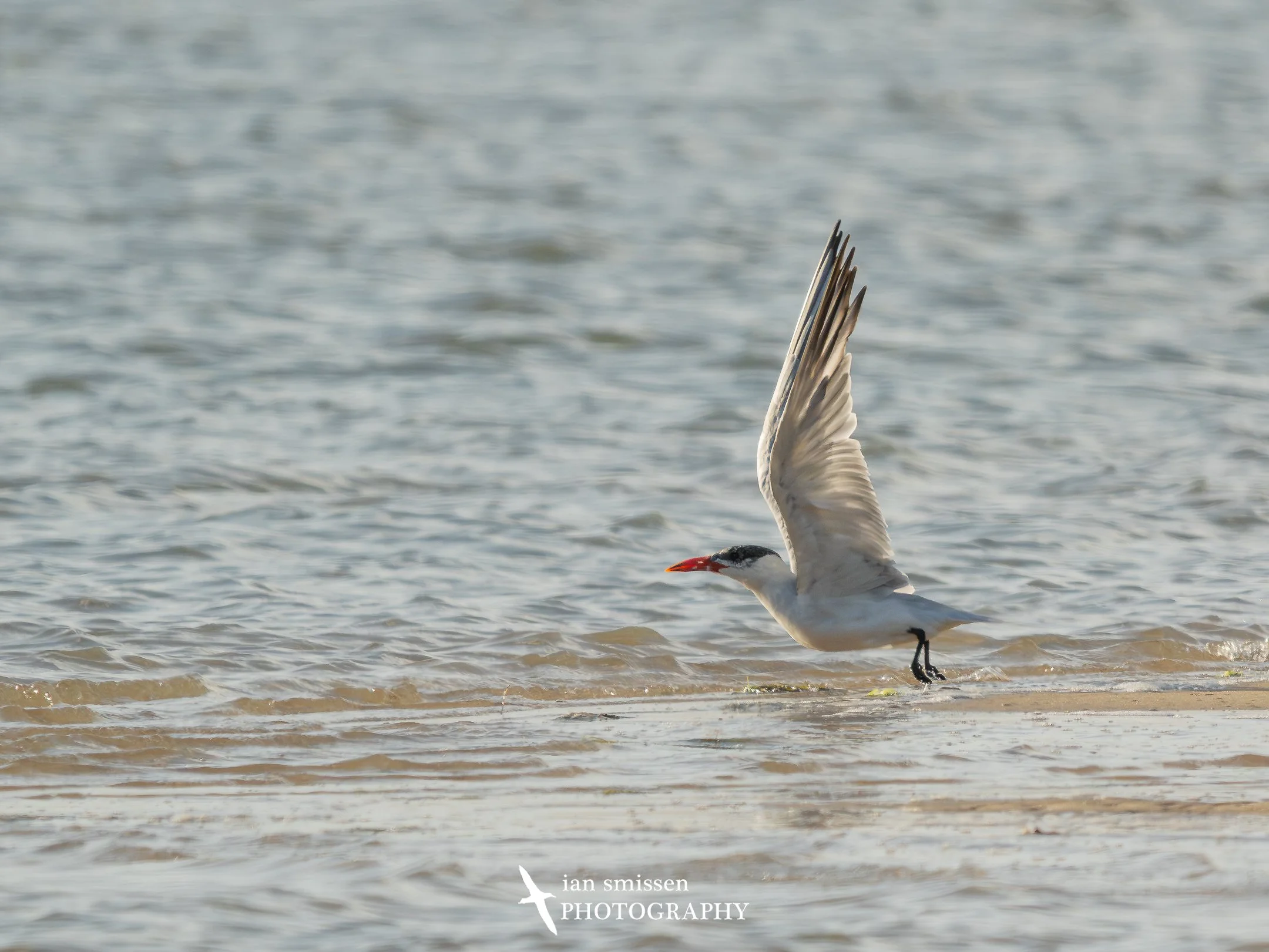
There were no waders but I was pleased to find Australian (Gull-billed) Tern and Caspian Tern among the gulls.

Australlian Tern, Stockyard Point

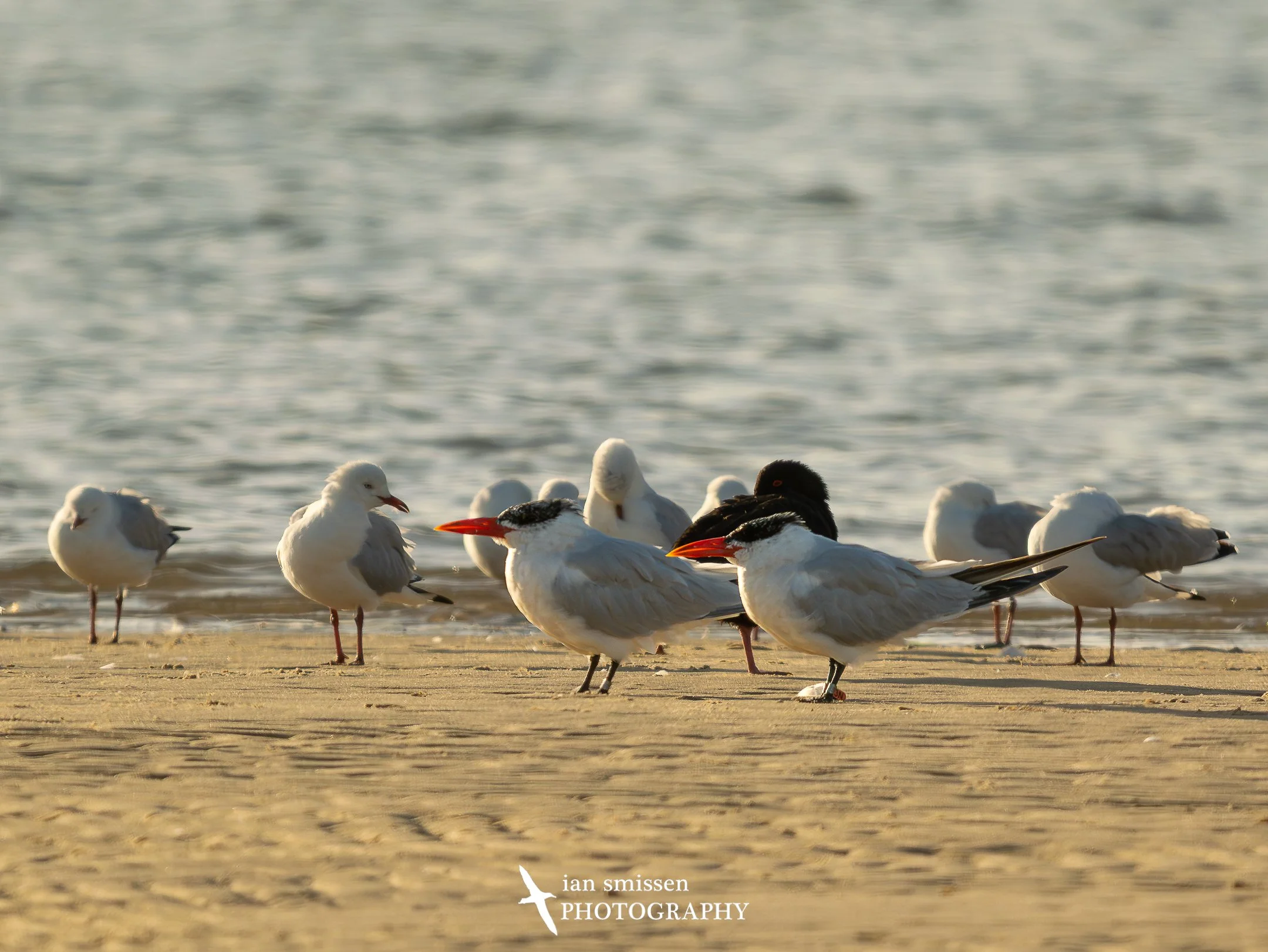
Caspian Tern (with Silver Gull and Sooty Oystercatcher), Stockyard Point

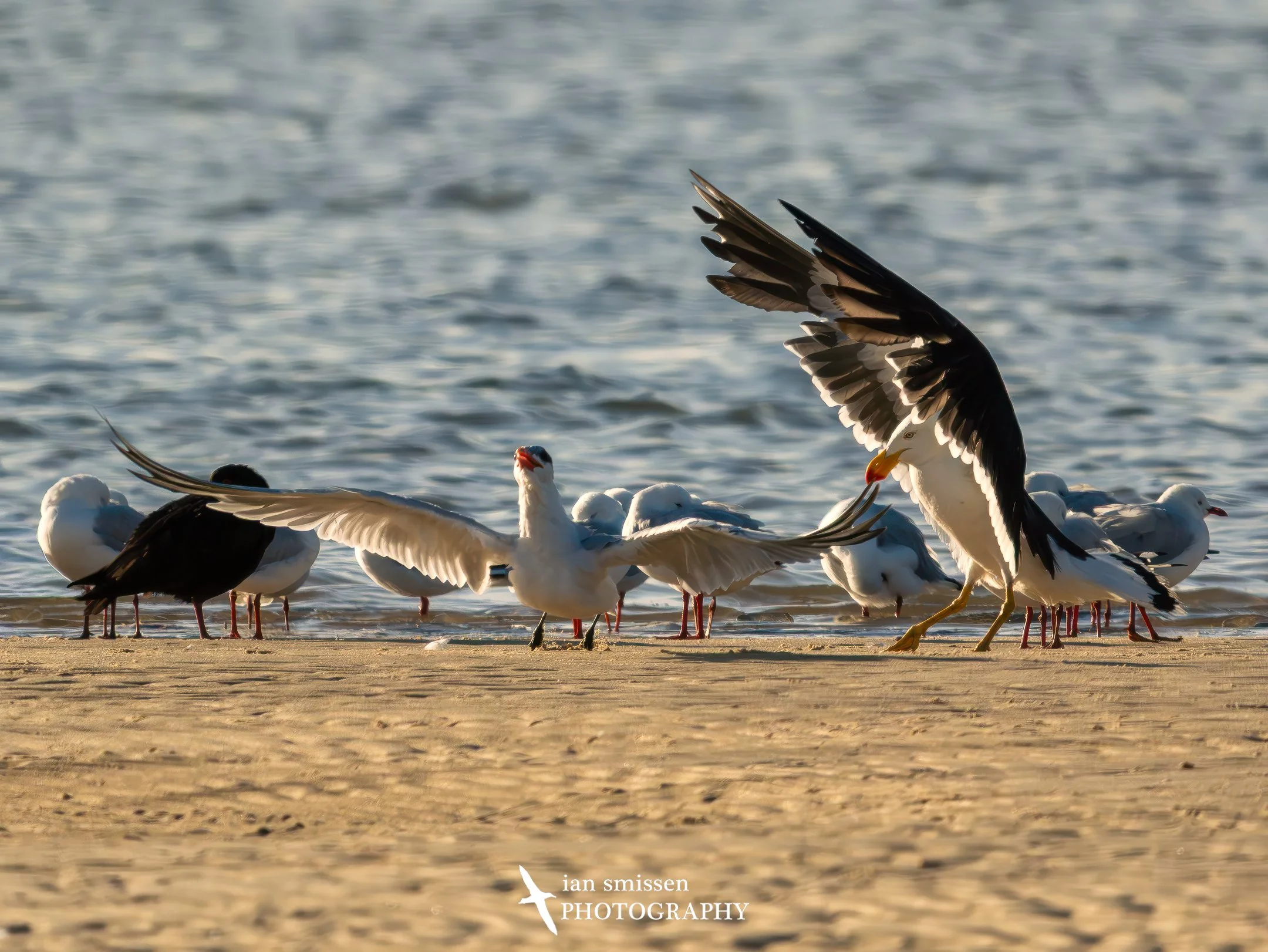
A Pacific Gull flew in, temporarily disturbing the peace.

Pacific Gull and Caspian Tern (among Silver Gull and Sooty Oystercatcher), Stockyard Point

I didn’t approach the birds for fear of scaring them away so set up sitting on the beach to wait for the incoming tide to (I hoped) move the birds closer. However, as soon as they got their feet wet, they flew off.

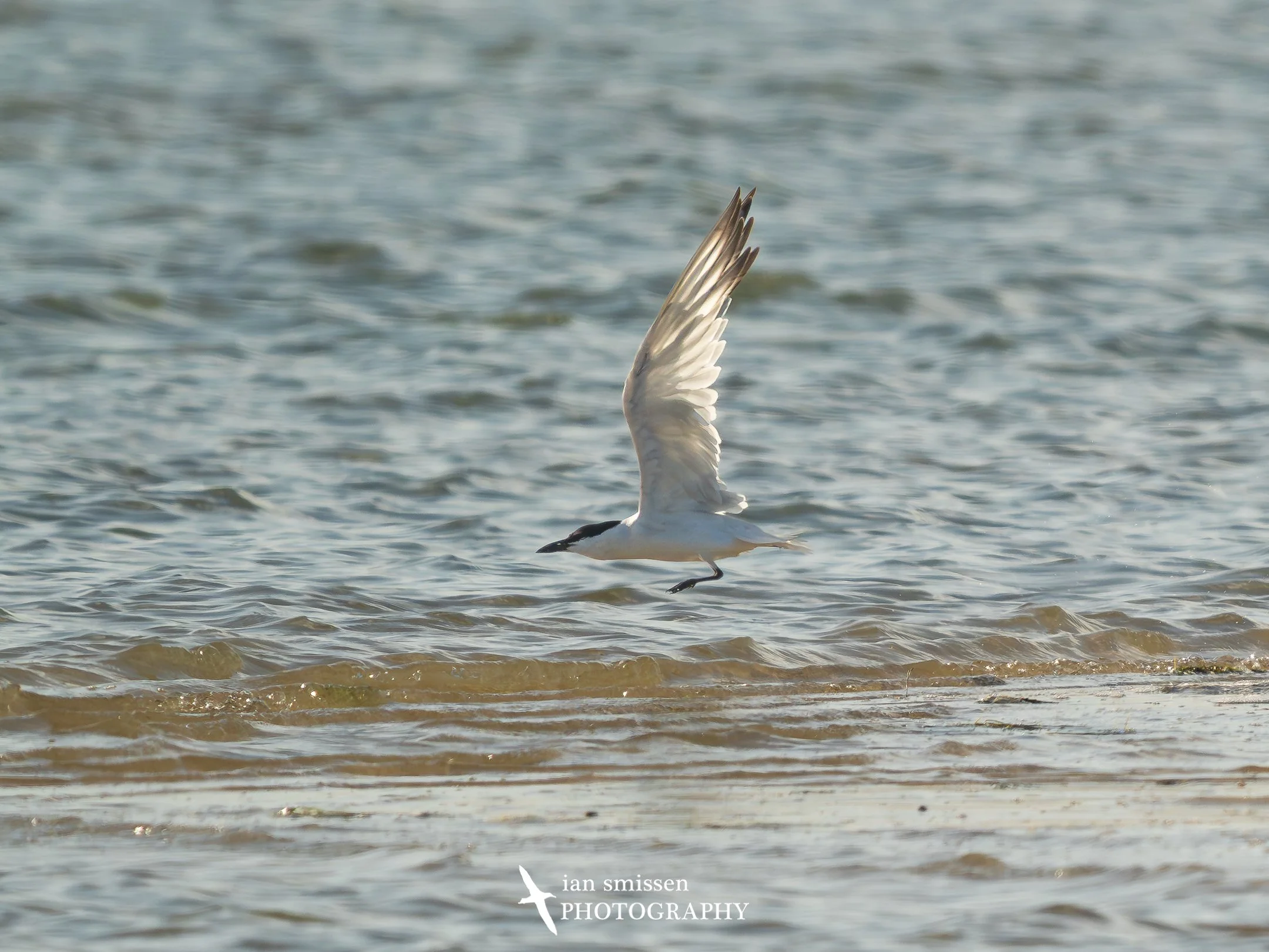
Gull-billed Tern, Stockyard Point

Caspian Tern, Stockyard Point

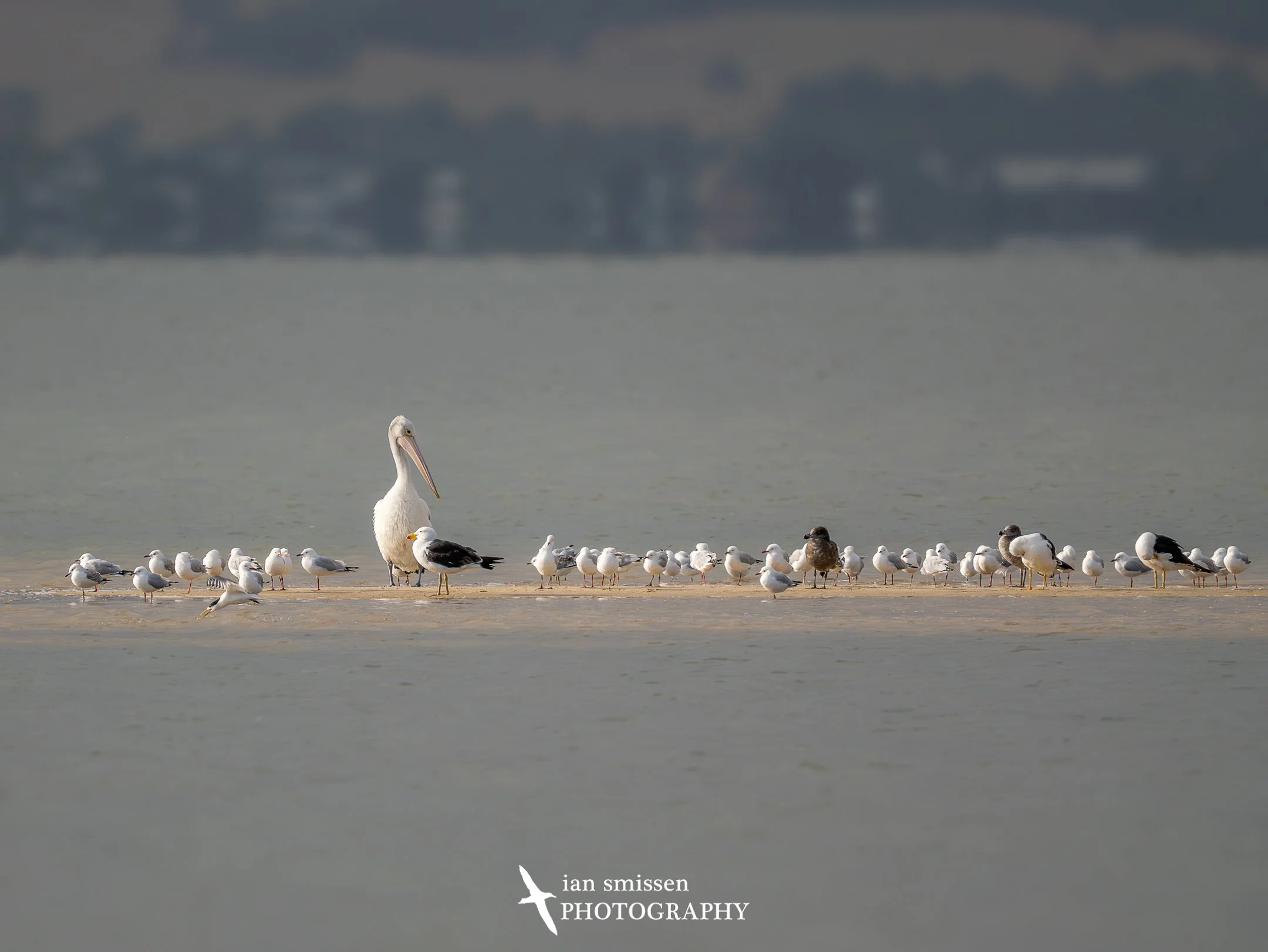
I moved further along the beach and captured this shot of the thin band of the spit remaining above water just as the sun broke through the clouds and serendipitously captured a Greater Crested Tern fly through the scene while fishing in the shallows.

Australian Pelican, Pacific Gull, Silver Gull roosting and Greater Crested Tern fishing, Stockyard Point

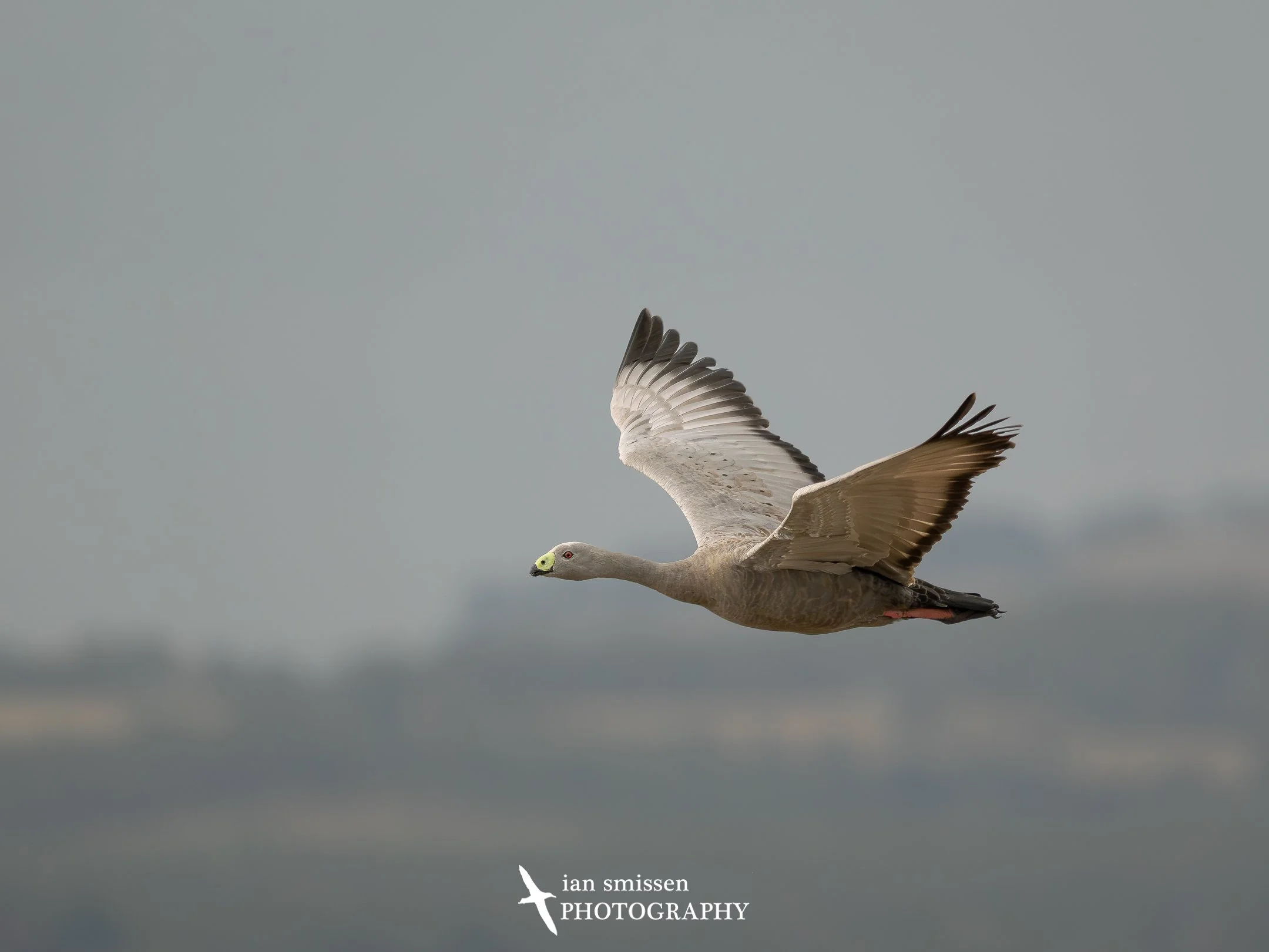
A few minutes later, a Cape Barren Goose flew past.

Cape Barren Goose, Stockyard Point

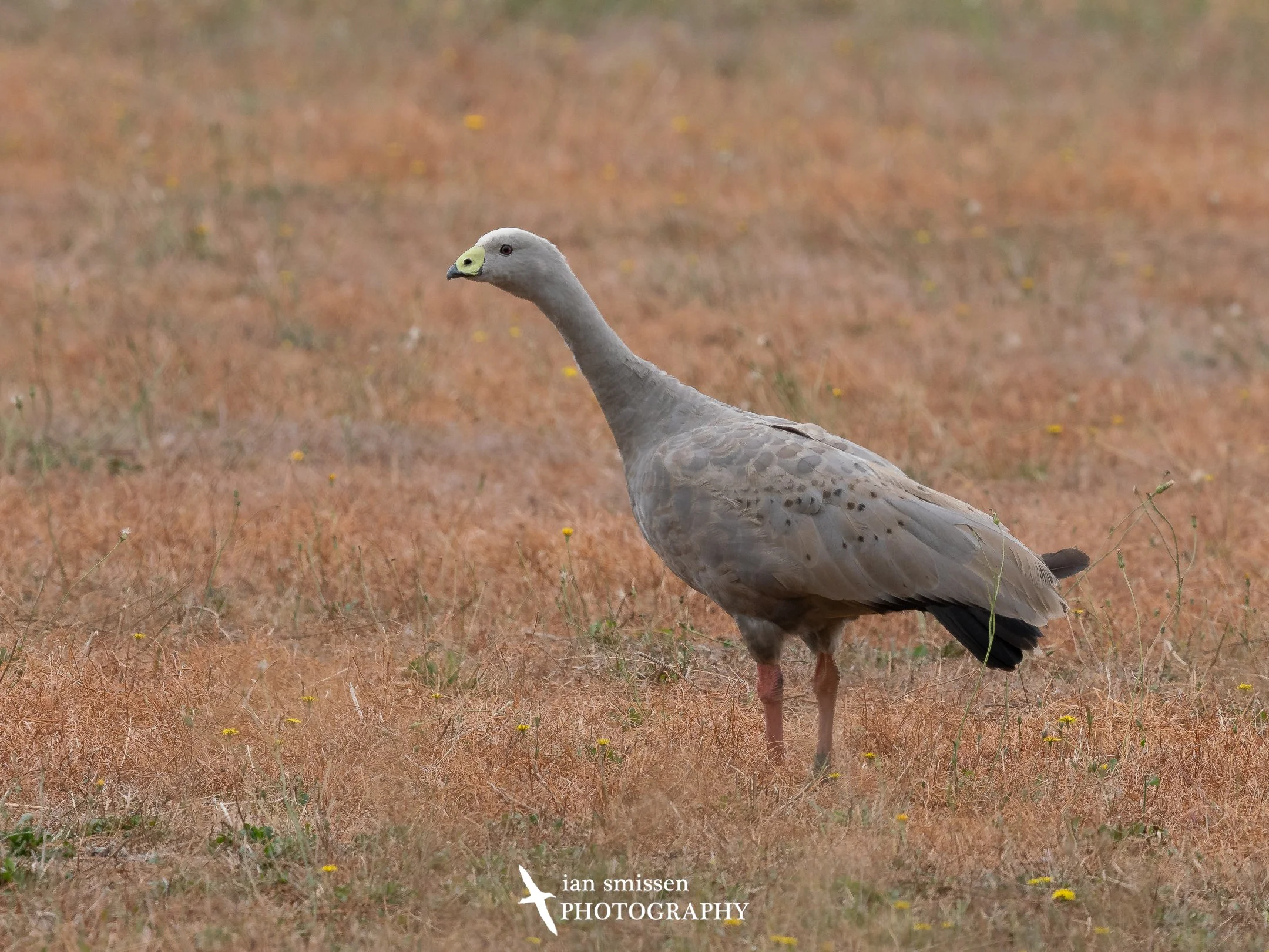
High tide came and went but no waders arrived. I knew the high tide was not really high enough (Stockyard Point is a relatively high location tide-wise which makes it an ideal roosting refuge as other mudflats around the bay become inundated) but I was still surprised to see NO waders. I had planned an early lunch at San Remo but dropped into Corinella for a quick look. There wasn’t much activity at the boat ramp or along The Esplanade but was pleased to find a handful of Cape Barren Geese feeding in the fields as I drove out of town. A quick stop to shoot out the passenger window was rewarded with this shot.

Cape Barren Goose, Corinella

On to San Remo for an early lunch at the Fisherman’s Co-Op. The Co-Op runs a Pelican Feeding session on the beach at midday every day so there are always pelicans gathering in the late morning.

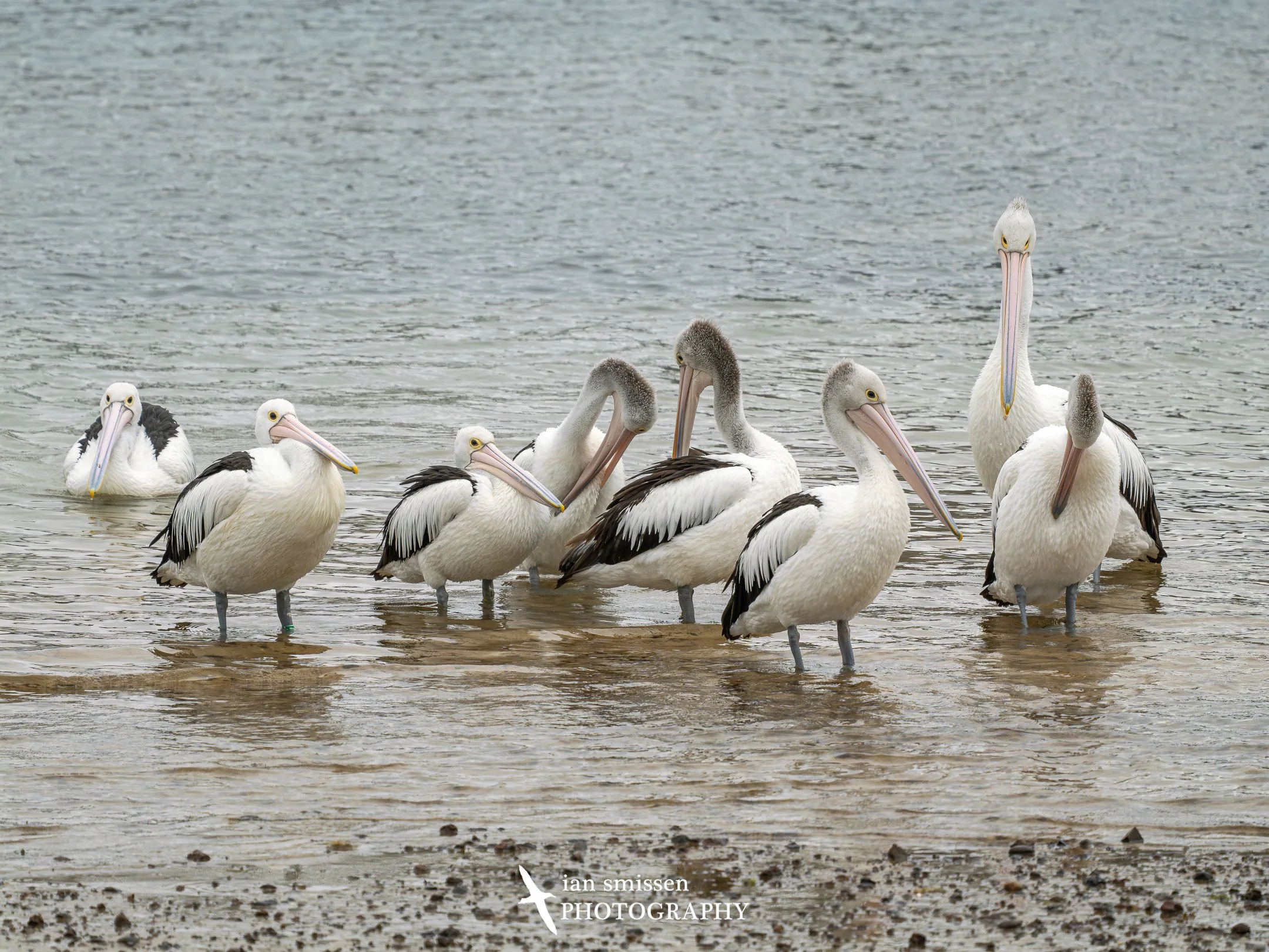
Australian Pelican, San Remo

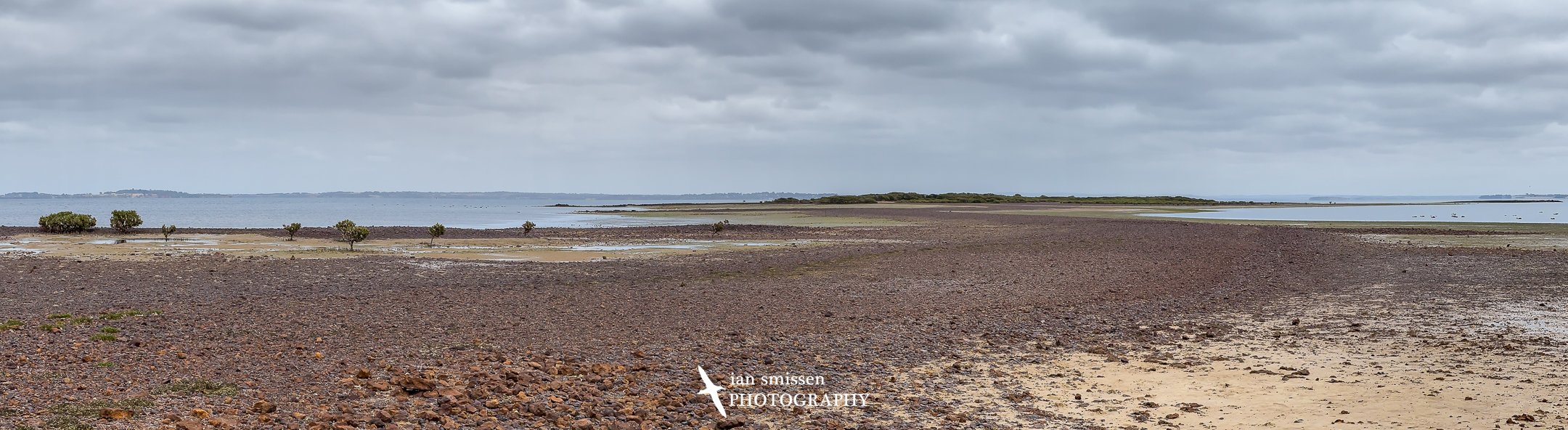
After a delicious fish and chips lunch, I drove to the car park at the end of Soldiers Road and headed off down the beach towards Reef Island, which can be accessed at low tide via a rock rubble intertidal “causeway”.

Reef Island at low tide.

In fact, the island is accessible at most times other than high tide - but be careful at spring tides not to get caught. It’s best to time your walk with the outgoing tide.

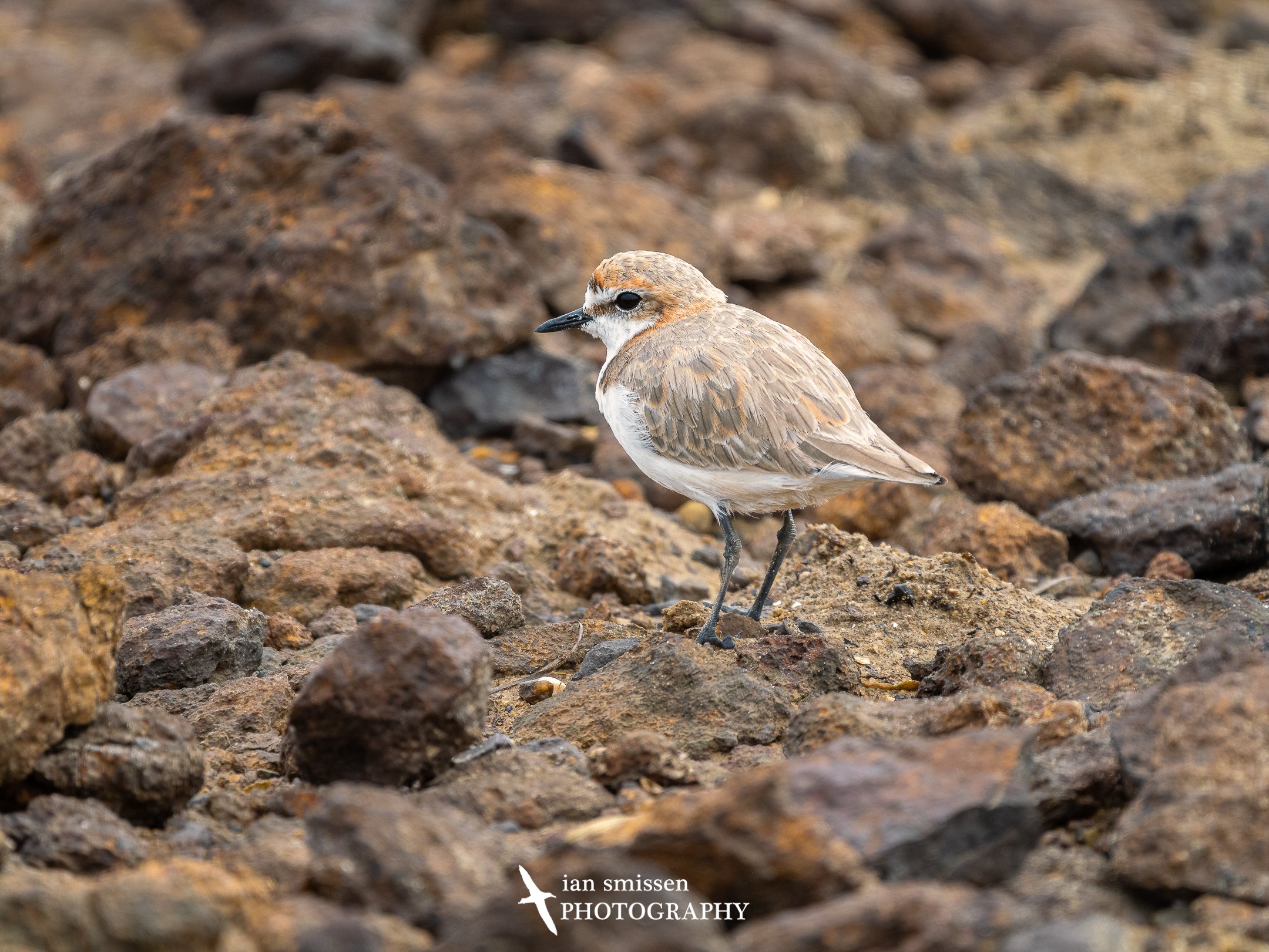
Keep your eye out for birds on the sand and mud flats and among the rock rubble.

Red-capped Plover (female), Reef Island

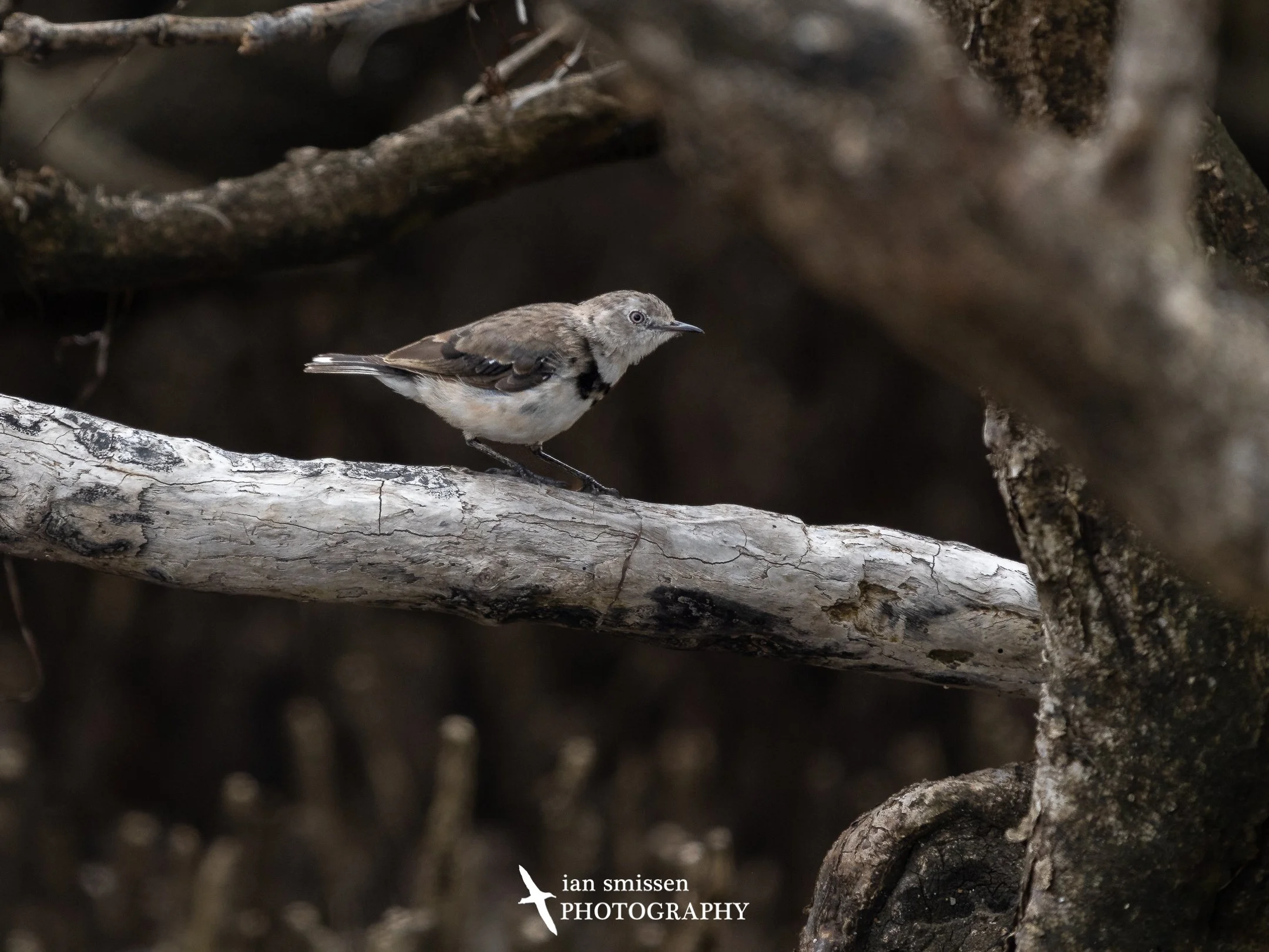
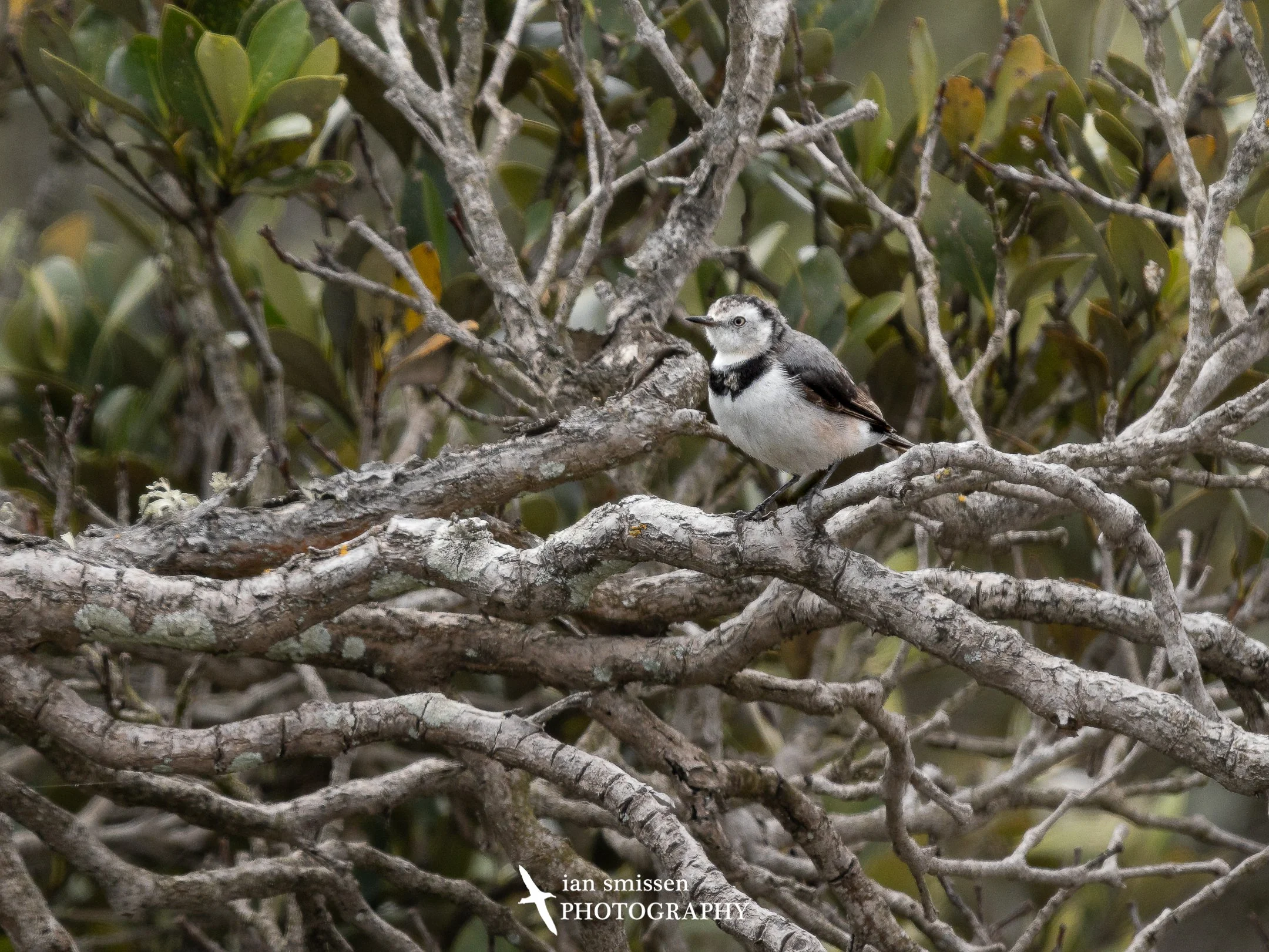
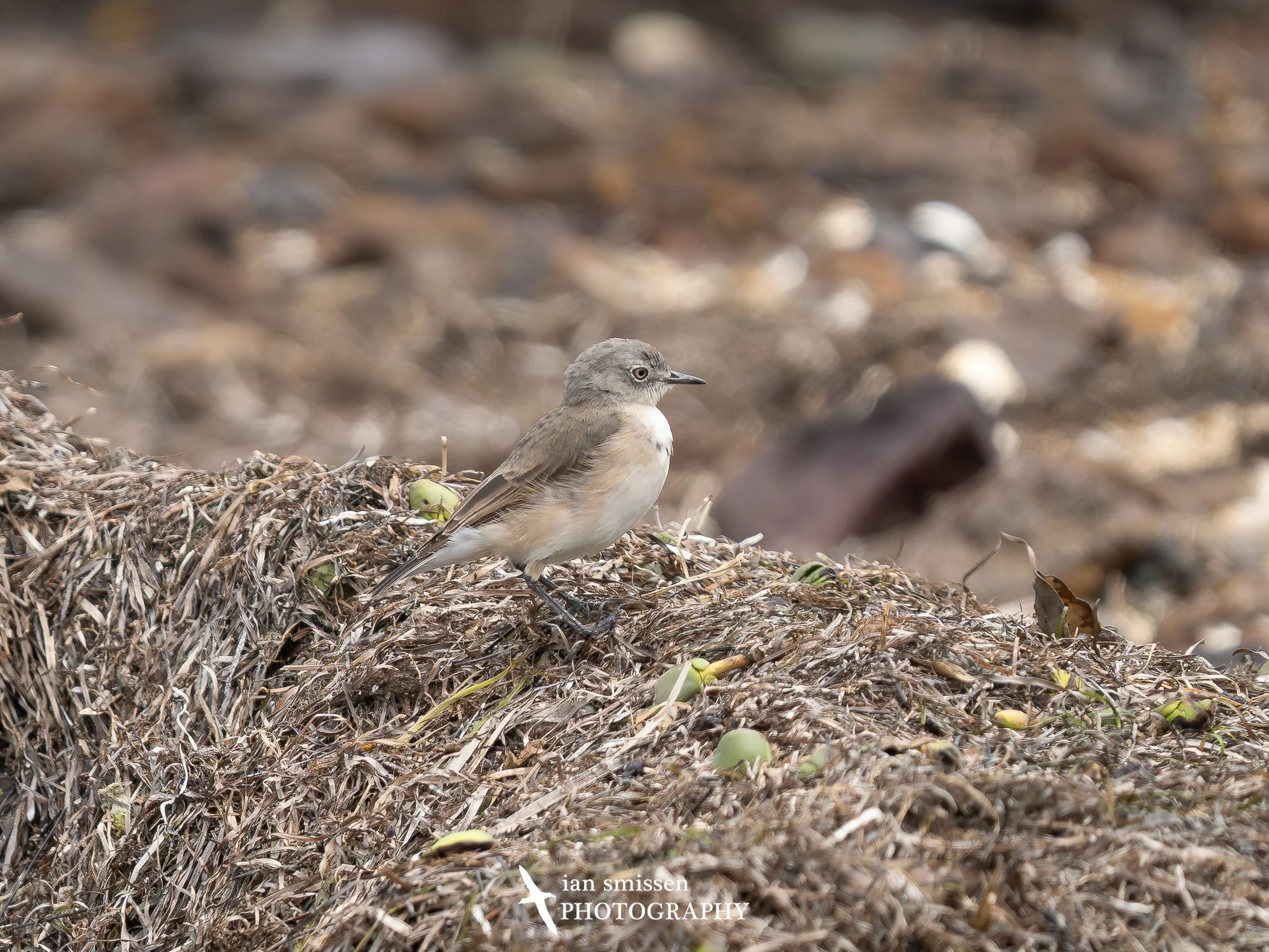
The key target for this trip was the Eastern Yellow Wagtail that had been sighted on the island most days for the last week. Following advice from a fellow birder (thanks Chanith) that the bird was seen “hanging out” with White-fronted Chat near the centre of the island, I made my way to the suggested location. Found several chats (mostly immature) among the mangroves and on the rocks and dead seagrass along the “path”.

White-fronted Chat (immature), Reef Island

White-fronted Chat (immature male), Reef Island

White-fronted Chat (juvenile), Reef Island

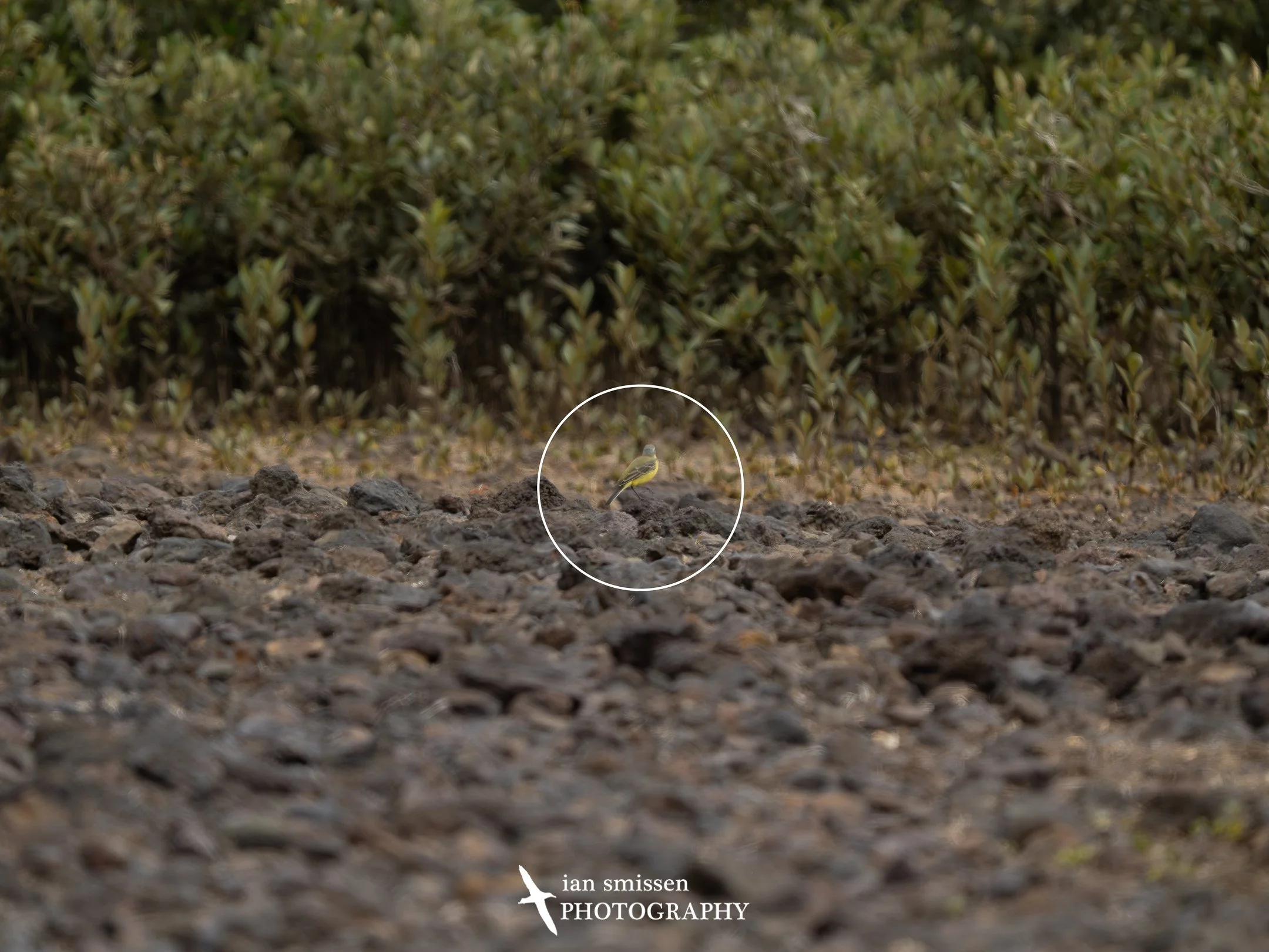
However, no wagtail to be seen. Several other birders joined me and we spread out to get a better chance of spotting the bird. Eventually, it was spotted. I managed to get the camera pointed at and (mostly) focussed on the bird albeit it was facing the wrong way…

Eastern Yellow Wagtail, Reef Island

…and then it was gone.

I waited another half an hour scanning the mangroves and the rocks and piles of seagrass but to no avail. Happy I got the “tick” but disappointed I didn’t get a better look, I departed for the trudge back across the rock rubble and back along the beach to the van in time to drive to Sorrento to catch the ferry rather than endure the Melbourne traffic.

Portland Pelagic Birding Trip 1 February 2026

I went on the pelagic birding trip out of Portland, Victoria, on Sunday 1 February. The trip was organised by Chanith Wijeratne on board the Kraken Fishing Charters boat, the Lucky 8, skippered by Jon Dukker.

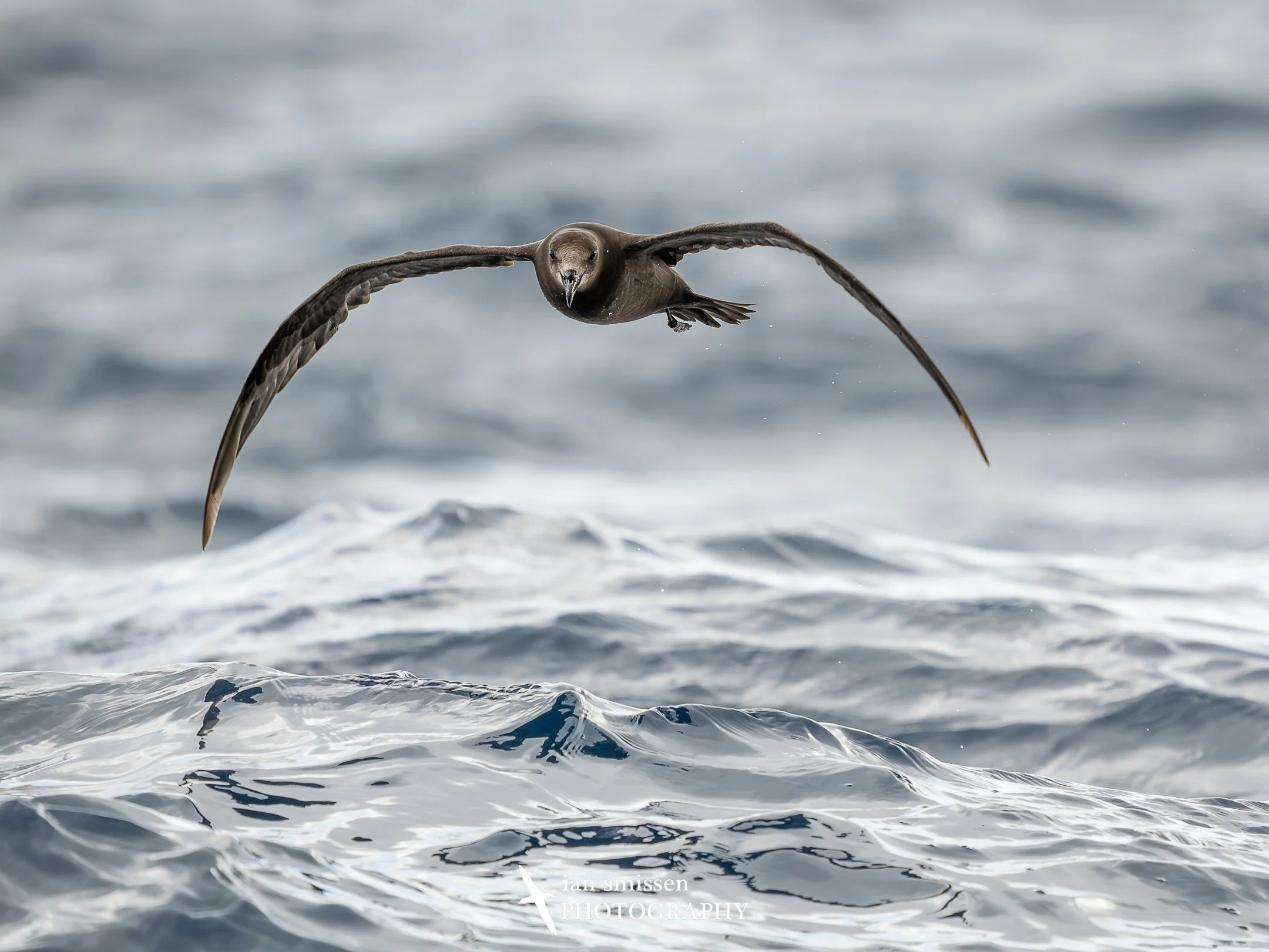
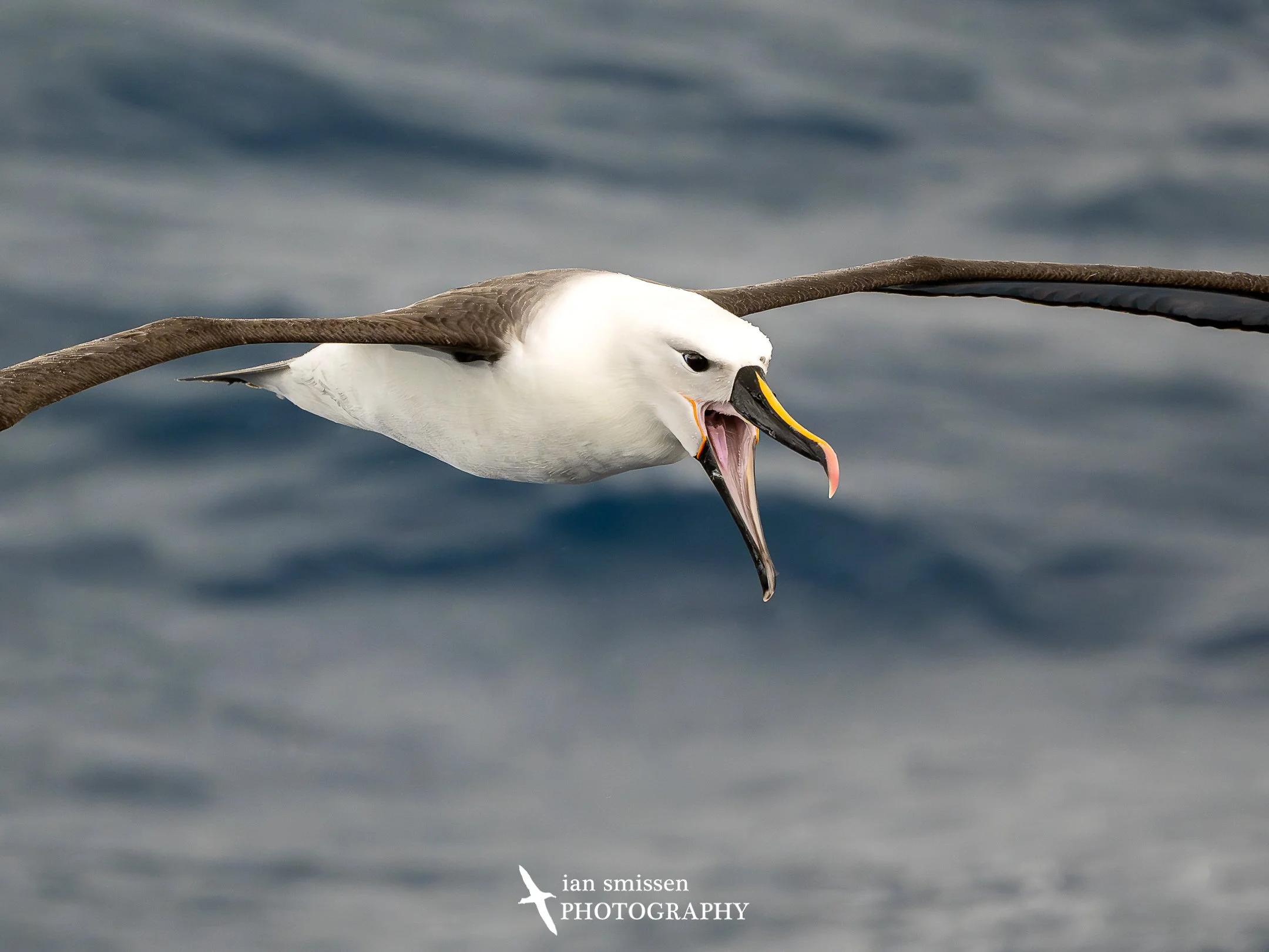
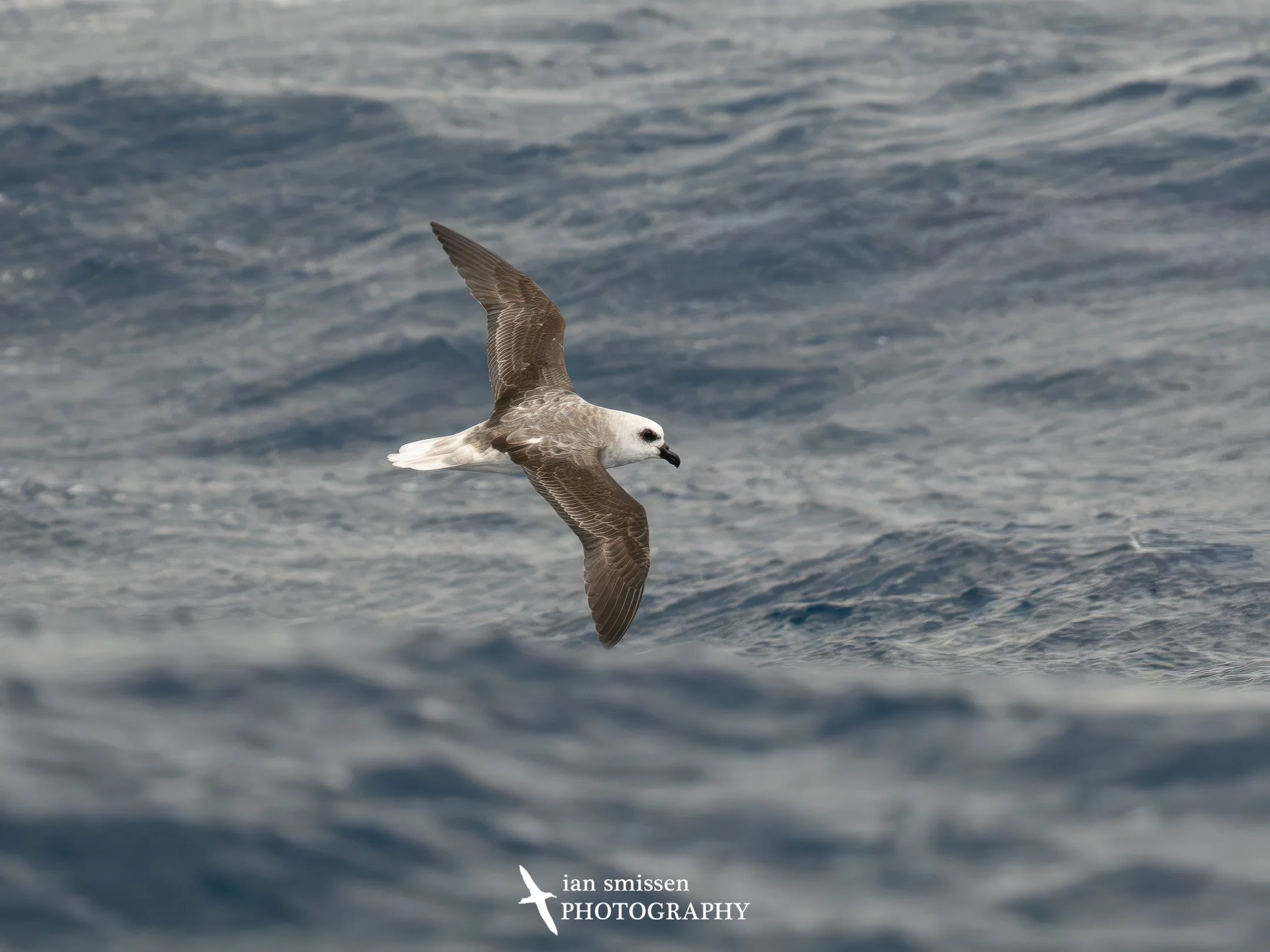
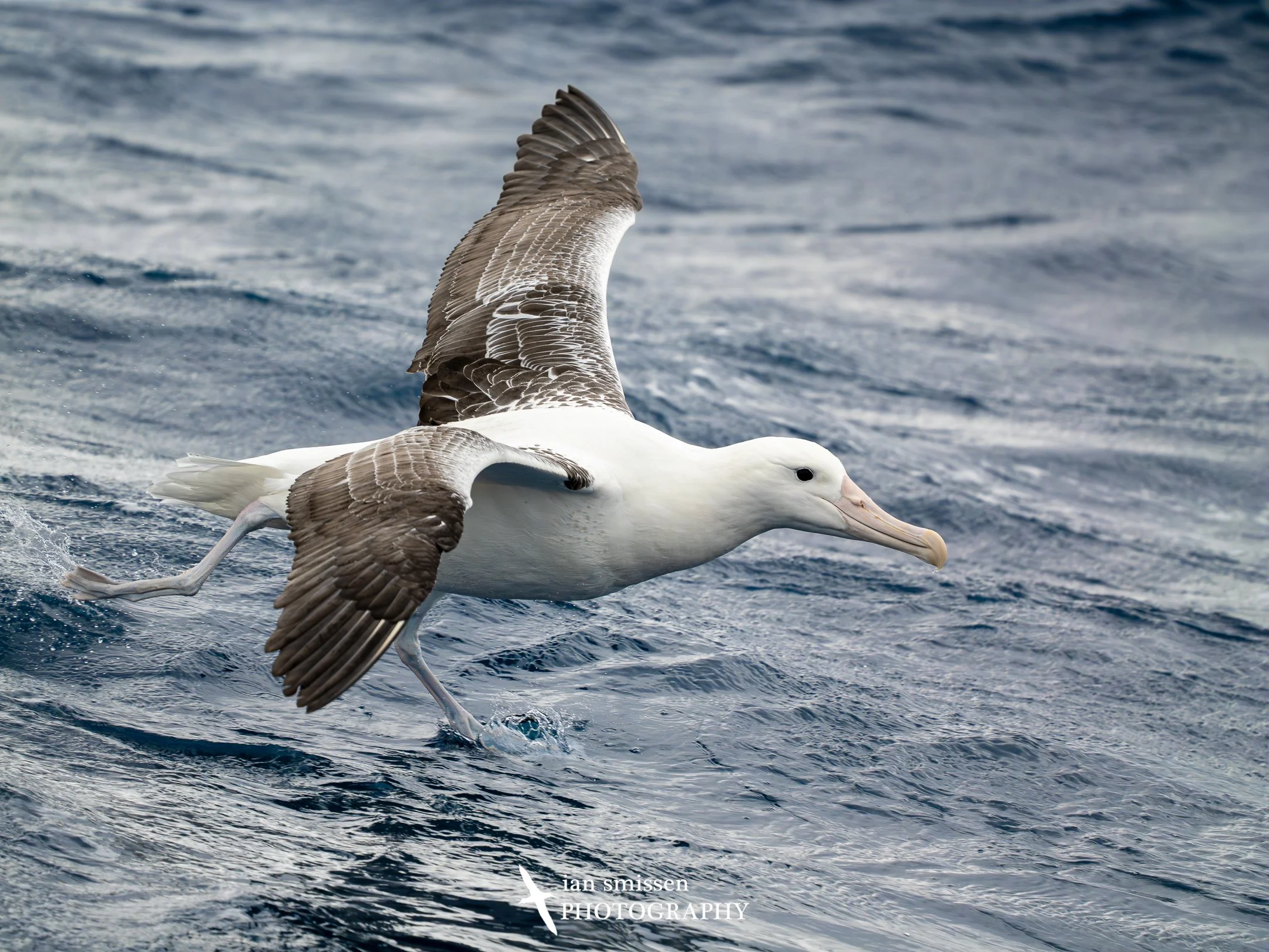
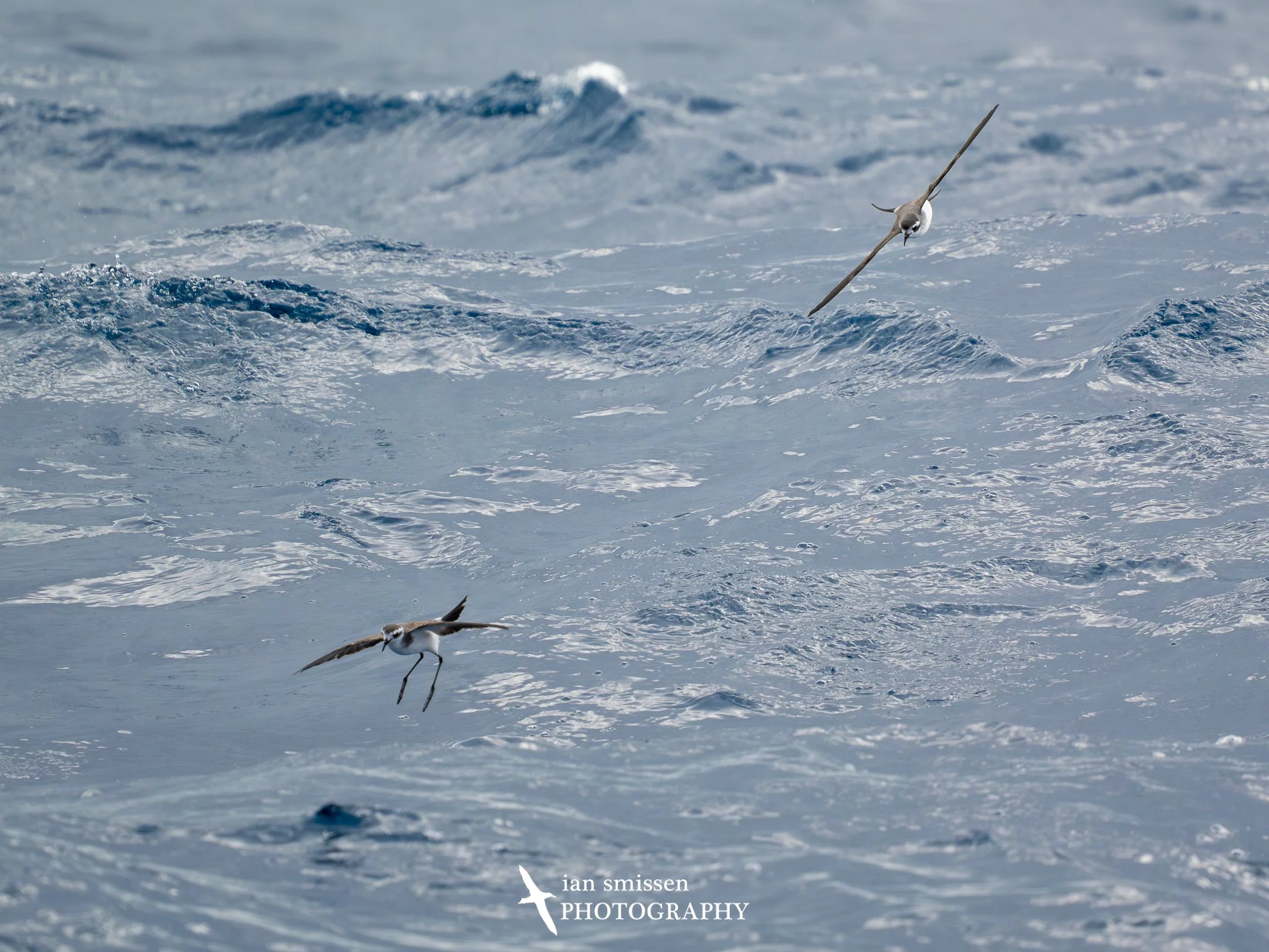
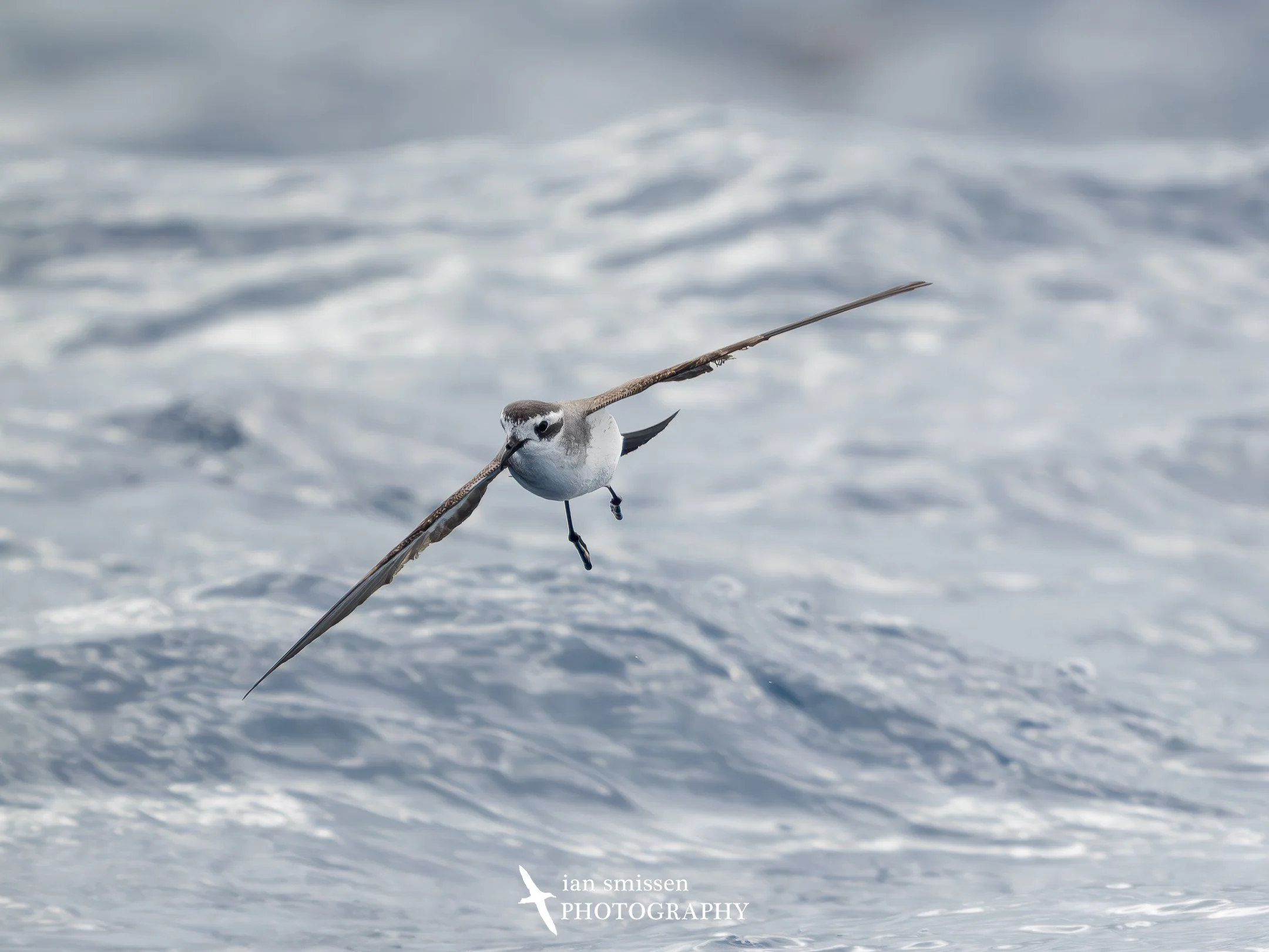
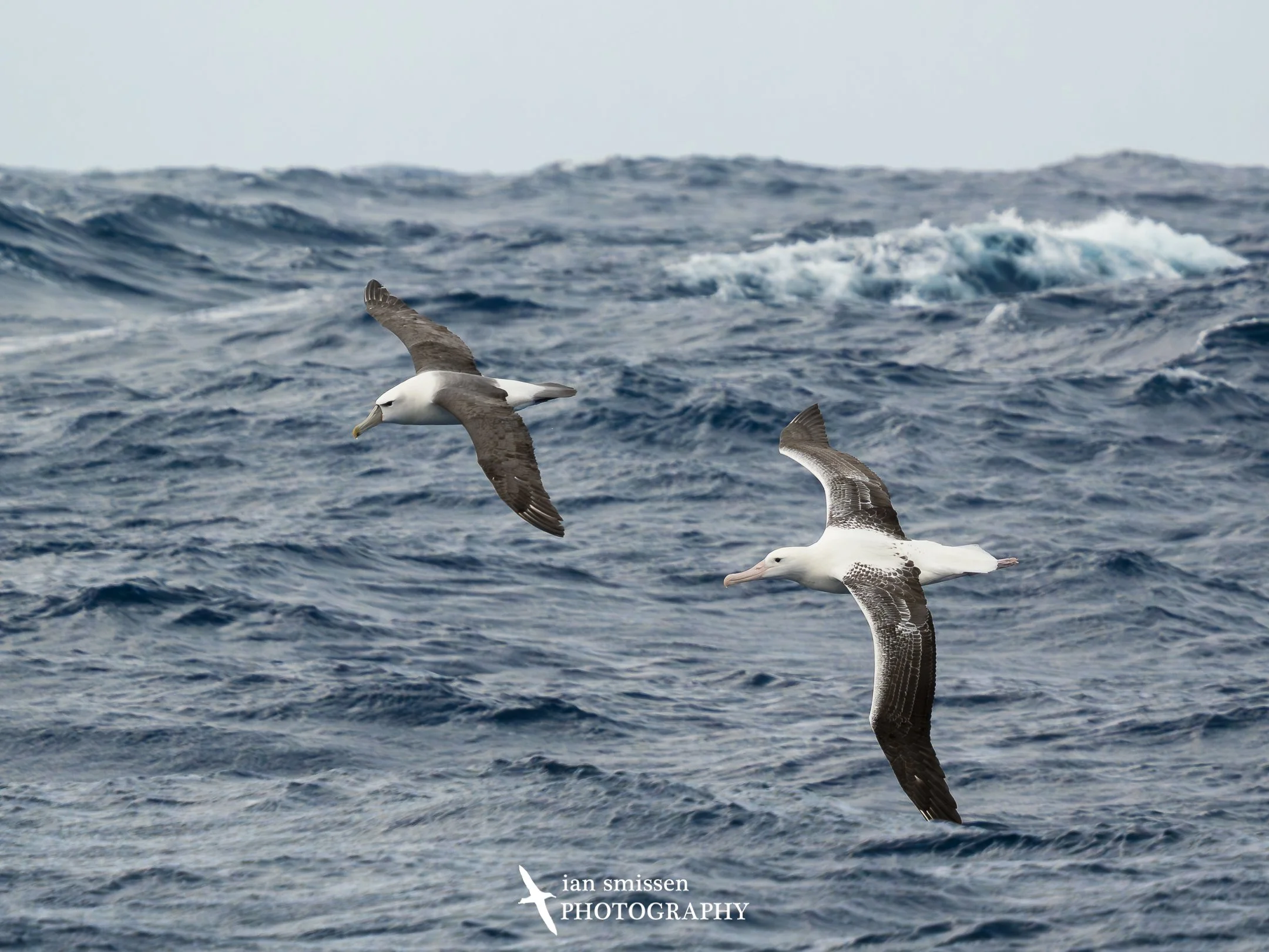
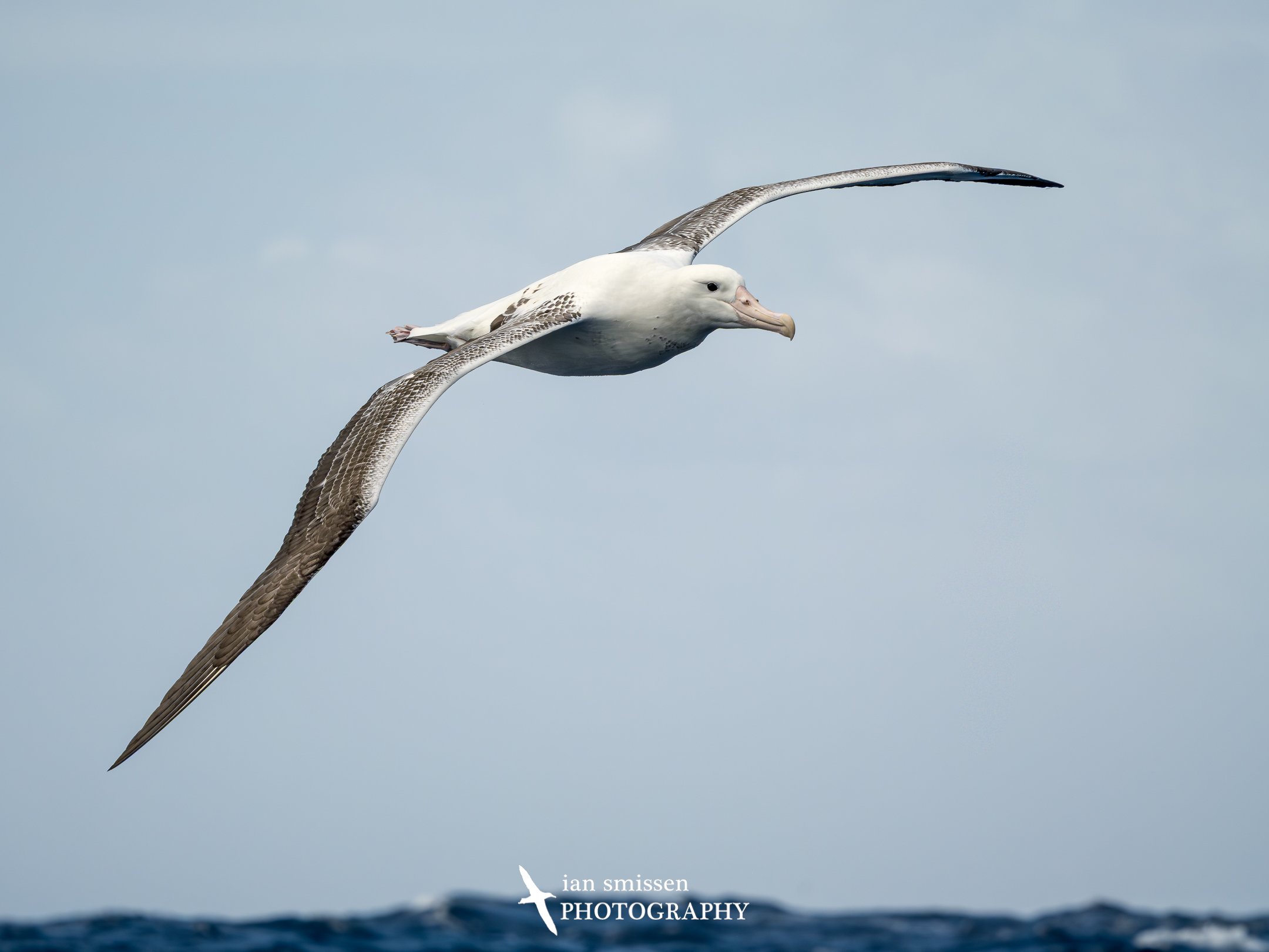
The trip out into the Southern Ocean was brutal. The weather was expected to be windy and rough but we had not expected the 3-5 metre swell. It took nearly 4 hours to reach the continental shelf but the discomfort was well rewarded with more than 20 species of birds seen and many giving good shows for photographs - albeit in challenging conditions. I managed 3 photographic lifers as well as another 2 ticks for Victoria. Here are my favourite shots from the day. Click on any image for slide show.